
Raised garden bed systems for creative rooms can turn patios, studios, sunrooms, and compact outdoor corners into productive growing spaces. The right setup balances footprint, drainage, mobility, and ease of assembly.
Below, we focus on practical features that matter most for makers, decorators, and home growers who want a cleaner, more adaptable planting solution in 2026.
Best 10 Raised Garden Bed Systems for Creative Rooms Picks for 2026
Compact Metal Starter Bed
Utopia Home 4x2x1ft Galvanized Kit

- Open-base design improves drainage and airflow
- Lightweight galvanized steel resists rust
- Quick assembly with a middle support strip
Best For: Small outdoor spaces and beginner growers
Self-Watering Wood Garden Bed

- 10L 3-chamber reservoir reduces watering frequency
- 30-inch height supports standing gardening
- Tool-free setup with roomy 48x24 bed
Best For: Users who want easier watering and less bending
Three-Pack Tall Oval Beds
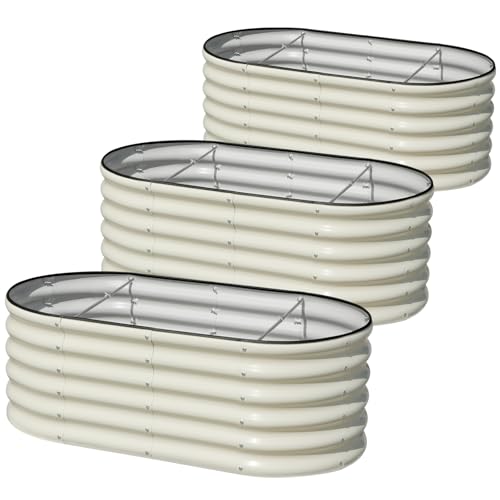
- Three-bed kit offers more growing space
- 17-inch tall walls support deeper planting
- Open base and rubber edging improve usability
Best For: Gardeners needing a larger multi-bed layout
Heavy-Duty Elevated Bed

- 2x4 bed supports up to 700 lbs
- 32-inch total height reduces bending
- Coated steel and rubber edging improve durability
Best For: Patio gardeners wanting a sturdy elevated system
Expandable Wood Bed
Yaheetech Divisible Raised Planter

- Two growing zones with removable divider
- Flexible corner posts for combining beds
- Stable wood sides help prevent soil leakage
Best For: Flexible vegetable and herb planting in patios or yards
Covered Rolling Grow Station
Elevated Fir Wood Bed with Roof

- Ergonomic height reduces bending strain
- Lockable wheels and push-pull rod add mobility
- Acrylic roof helps protect plants and boost sunlight
Best For: Protected growing on patios, balconies, and compact outdoor spaces
Tiered Outdoor Garden Box
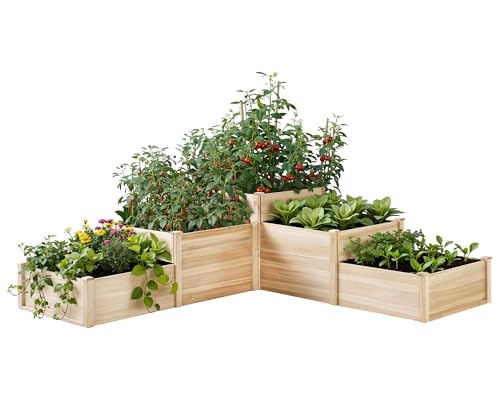
- Three planting levels with deep 28-inch sections
- Built-in dividers for organized planting
- Tool-free mortise-and-tenon assembly
Best For: Large, organized planting of vegetables, herbs, and flowers
Ergonomic Self-Watering Planter

- 31-inch height reduces bending and strain
- Self-watering reservoir with water level indicator
- Ventilated grow dome for protection and monitoring
Best For: Small spaces, seed starting, and low-maintenance growing
Mobile Standing Planter

- Two wheels and a handle for easy movement
- Standing height reduces kneeling and strain
- Drainage openings and bottom shelf add function
Best For: Moveable patio, balcony, or accessible gardening setups
Compact Metal Starter Bed – Utopia Home 4x2x1ft Galvanized Kit
If you want a straightforward option in raised garden bed systems for creative rooms, this galvanized steel planter keeps the setup simple while giving you a tidy growing area for vegetables, fruits, and flowers. Its open-base design helps roots reach soil below, while the lightweight frame and easy assembly make it practical for quick placement and repositioning.
Best For: Small outdoor spaces, beginner gardeners, and anyone who wants a lightweight raised bed with easy drainage.
Pros:
- Open base supports drainage, ventilation, and root growth
- Lightweight galvanized steel helps resist corrosion and rust
- Middle support strip adds extra strength
- Easy to install without complex tools
Cons:
- Single-bed pack only
- Lower 12-inch height may not suit gardeners wanting an elevated stance
This is a good pick if you need a durable, no-fuss planter that is easy to assemble and move. It focuses on practical growing performance rather than extra features.
Self-Watering Wood Garden Bed – 48x24x30 Elevated Planter
For raised garden bed systems for creative rooms that need less day-to-day watering, this elevated wood planter stands out with a 10L three-chamber self-watering setup. The 30-inch height makes planting and harvesting easier while the spacious bed supports a wide mix of vegetables, herbs, flowers, and succulents indoors or outdoors.
Best For: Gardeners who want a self-watering elevated bed with a standing-height design and a roomy planting area.
Pros:
- 10L three-chamber reservoir helps feed roots steadily
- Water level indicator removes guesswork
- 30-inch height reduces bending and strain
- Tool-free assembly takes under 30 minutes
Cons:
- Heavier than simple metal beds
- Unfinished wood may not appeal to buyers wanting a finished look
This planter is a strong choice if convenience matters as much as grow space. The self-watering design and elevated height make it especially useful for frequent use and easier maintenance.
Three-Pack Tall Oval Beds – SnugNiture 17-Inch Metal Kit
If you are comparing raised garden bed systems for creative rooms and want more total growing area, this 3-piece galvanized kit gives you a larger setup with tall 17-inch walls. The open base helps prevent standing water, and the oval shape with rubber edging adds a more finished, comfortable build for vegetables, fruits, flowers, and other plants.
Best For: Growers who want a taller multi-bed setup with generous planting space and simple assembly.
Pros:
- Three-piece kit expands planting capacity
- 17-inch height offers deeper growing space
- Open base helps prevent water buildup and decay
- Rubber edging adds comfort and protection
Cons:
- Larger footprint may require more room
- Metal construction may be overkill for very small patios
This kit works well when you want multiple beds or a larger layout in one purchase. Its taller profile and durable galvanized build make it a practical option for more ambitious planting plans.
Heavy-Duty Elevated Bed – Vego Garden 2×4 Patio Planter
For raised garden bed systems for creative rooms where durability and a cleaner elevated layout matter, this Vego Garden planter combines a 32-inch total height with a 12-inch planting depth. Its coated steel construction is designed for long life, and the integrated legs and storage rack make it more substantial than a basic box bed.
Best For: Patio gardeners who want a strong elevated planter with back-friendly height and a more complete system.
Pros:
- 700 lb weight capacity on the 2′ x 4′ size
- 32-inch total height reduces bending
- Rubber edging adds safer handling during setup
- Coated steel design is built for corrosion resistance and long life
Cons:
- Heavier and more substantial than basic raised beds
- Higher price tier is likely compared with simpler models
This bed is a strong fit if you want something sturdy enough to feel permanent and easy to use. The elevated format, weight capacity, and system-focused design make it stand out for organized patio gardening.
Mobility-First Vertical Planter – Resin Raised Bed with Trellis and Wheels
If you want raised garden bed systems for creative rooms that can move with the light, this resin planter is built for flexibility. The lockable 360° wheels make it easy to reposition on balconies, patios, or small yards, while the trellis adds vertical growing space for climbing plants and mixed plantings.
Best For: Small-space gardeners who want a mobile, vertical setup for flowers, herbs, and climbing plants.
Pros:
- Lockable swivel wheels make it easy to move, then secure in place.
- Built-in trellis supports climbing plants like roses and clematis.
- Divided drainage design helps manage moisture and reduce overwatering.
- Weather-resistant thickened plastic is made for outdoor use year-round.
Cons:
- Resin construction may not suit buyers specifically looking for wood.
- Compact size is better for small-space planting than large harvests.
This is a practical pick if you want a tidy, space-saving planter that can adapt as your sun exposure changes. The combination of wheels, trellis, and drainage features makes it especially useful for flexible decorative growing.
Expandable Wood Bed – Yaheetech Divisible Raised Planter
For raised garden bed systems for creative rooms that need a simple, adaptable layout, this wooden planter offers a practical open-ended design. It separates into two growing zones, and the removable baffle lets you open it into one larger bed when your planting plan changes.
Best For: Gardeners who want a long, flexible wooden bed for vegetables, flowers, or herbs.
Pros:
- Two growing areas can be separated or combined with the removable baffle.
- Flexible DIY corner posts make it easier to combine multiple beds.
- Stable side plates help keep soil contained without leakage.
- Simple screw-based assembly is designed to be quick and straightforward.
Cons:
- Open-bottom wood construction may require more setup planning than enclosed planters.
- Unfinished fir wood may need maintenance depending on your climate.
This is a strong choice if you want a classic rectangular bed that can grow with your layout. Its biggest advantage is flexibility: you can keep plants separated or merge the sections for a larger shared bed.
Covered Rolling Grow Station – Elevated Fir Wood Bed with Roof
If you’re comparing raised garden bed systems for creative rooms, this elevated planter stands out for adding a protected growing zone. The combination of fir wood construction, lockable wheels, and a transparent sloped acrylic roof makes it useful when you want a movable setup that still gives plants a more sheltered environment.
Best For: Gardeners who want an elevated, covered planter that is easy to move and comfortable to use.
Pros:
- Ergonomic height reduces bending and squatting during care.
- Lockable 360° wheels and push-pull rod improve mobility.
- Transparent acrylic roof increases sun exposure while helping shed water.
- Bottom drainage slits and sealed enclosure support healthier growing conditions.
Cons:
- Smaller footprint limits how much you can grow at once.
- More specialized than a basic open planter, so it may feel like overkill for simple beds.
This model makes sense if you want a more controlled growing setup without giving up portability. It blends comfort, drainage, and weather protection in a format that works well for herbs, flowers, and seedlings.
Tiered Outdoor Garden Box – 3-Tier Fir Wood Planter
If you want raised garden bed systems for creative rooms that can also extend into an outdoor planting area, this 3-tier wooden bed gives you a structured way to separate crops, herbs, and flowers. The deep, divided layout is designed for organized planting, while the fir wood panels and cedar posts add a more natural, decorative look.
Best For: Gardeners who want a large, divided raised bed for vegetables, herbs, and flowers in one organized setup.
Pros:
- Three planting levels with 28-inch depth for different plant types
- Built-in dividers help keep plant sections neat and organized
- Tool-free mortise-and-tenon assembly simplifies setup
- Drainage holes and bottom board support better water management
Cons:
- Very large footprint may not suit compact spaces
- At 112.7 pounds, it is not a lightweight moveable option
- Designed for outdoor use rather than indoor room placement
This is a good pick if your priority is a roomy, divided planter with a substantial build. Its strength is in giving multiple crops a defined layout, though the size makes it better for patios, yards, or dedicated growing spaces.
Ergonomic Self-Watering Planter – Elevated Bed with Grow Dome
This elevated planter is a practical option if you want raised garden bed systems for creative rooms or small growing areas where comfort and moisture control matter. The 31-inch height reduces bending, while the self-watering reservoir and ventilated grow dome make it easier to manage seedlings, herbs, and vegetables indoors or outdoors.
Best For: Small-space growers who want an elevated, low-maintenance planter with built-in moisture management.
Pros:
- 31-inch tall design helps reduce bending and back strain
- Self-watering system with reservoir and water level indicator
- Ventilated grow dome helps protect plants while allowing monitoring
- Weather-resistant polypropylene is easy to clean and assemble
Cons:
- 45L capacity is roomy, but still smaller than large outdoor beds
- Best suited to container-style growing rather than major harvests
- Legged design may not fit every tight indoor layout
Overall, this planter stands out for convenience and accessibility. It is especially appealing if you want a cleaner, more controlled growing setup that handles watering and plant protection with less daily attention.
Mobile Standing Planter – Raised Bed on Wheels
If you are comparing raised garden bed systems for creative rooms, this wheeled planter is a strong fit for flexible layouts that need to move with the light. The standing-height frame, handle, and wheels make it easier to shift tomatoes, herbs, greens, or flowers across a patio, balcony, or backyard without lifting a heavy planted bed.
Best For: Gardeners who want a mobile, standing-height raised bed for patios, balconies, or accessible gardening.
Pros:
- Two all-terrain wheels and a handle make repositioning easier
- Standing height supports gardening without kneeling or back strain
- Built-in drainage openings help prevent waterlogging
- Detachable bottom shelf adds handy storage for tools and supplies
Cons:
- Requires assembly with multiple parts and hardware
- Surface coating needs care to reduce scratches and corrosion
- 2.5 cubic feet of capacity is useful, but not oversized
For a movable planter, this model is especially practical because it combines accessibility with drainage and storage. It makes the most sense when you want your garden bed to stay adaptable rather than fixed in one spot.
How We Picked the Best Raised Garden Bed Systems for Creative Rooms
We prioritized Raised Garden Bed Systems for Creative Rooms that offer a smart mix of size, stability, drainage, and versatility. We also favored designs that fit mixed-use spaces, where the bed may need to move, store tools, protect plants, or look tidy indoors and out.
Material quality, assembly simplicity, and watering convenience were key filters, along with whether a system works for herbs, flowers, compact vegetables, or climbing plants.
Quick Comparison
Use elevated beds with legs when you want better ergonomics and a smaller floor footprint. Choose self-watering or reservoir-style options if you want more consistent moisture and less daily upkeep. Go with galvanized metal for durability and weather resistance, while wood and resin can offer a softer or more decorative look.
Key Buying Factors for Raised Garden Bed Systems for Creative Rooms
Size and Placement
Measure the exact space first, including doorway clearances if the bed needs to move. Narrow or elevated beds work well in creative rooms where floor space is shared with seating, storage, or work tables.
Watering and Drainage
Self-watering reservoirs, drainage holes, and water-level indicators can reduce guesswork. These features are especially helpful indoors, in covered patios, or in rooms where overflow would be a problem.
Mobility and Access
Wheels, legs, and raised frames make maintenance easier and can help you reposition plants for light or cleanup. If you garden in a studio or multipurpose room, mobility is often worth prioritizing.
Material and Style
Galvanized steel offers long-term durability, while wood provides a warmer visual fit for creative spaces. Resin and plastic can be lighter and easier to manage, especially if you need a lower-maintenance option.
Capacity and Plant Type
Deeper beds support root vegetables and larger ornamentals; shallower beds are better for herbs, greens, and compact floral displays. Trellises and dividers expand what you can grow without taking up extra room.
Who Should Buy Which Raised Garden Bed Systems for Creative Rooms?
If you want the most flexible setup, choose a mobile or elevated bed with storage or a reservoir. If style matters most, wood or decorative resin may suit your space better. If durability is the priority, galvanized metal is usually the safest long-term bet.
For renters, apartment gardeners, or anyone building Raised Garden Bed Systems for Creative Rooms, the best choice is the one that fits your layout, watering habits, and plant goals without adding clutter.
