
If you’re serious about landscape photography, using the right polarizing filter can make a noticeable difference in your images. These filters enhance color saturation and cut down on glare, resulting in sharper, more vibrant shots. With so many options available, understanding which polarizing filter suits your needs is essential. Let’s explore the top choices that can elevate your landscape photography game and help you capture those stunning shots you’ve been aiming for.
K&F Concept 58mm Circular Polarizer Filter for Camera Lenses

If you’re a landscape photography enthusiast looking to enhance your images, the K&F Concept 58mm Circular Polarizer Filter is an excellent choice. This ultra-slim filter improves color saturation and contrast while effectively removing non-metallic reflections from surfaces like water and glass. Weighing only 2.11 ounces and measuring just 5.3mm thick, it fits all 58mm lenses without causing vignetting. The 18 multi-layer coating minimizes glare, ensuring your shots are crisp. Users rave about its performance, although some mention minor operational issues. Overall, it’s a solid investment for elevating your outdoor photography without breaking the bank.
Best For: Landscape photography enthusiasts looking to enhance color saturation and contrast in their images.
Pros:
- Improves color saturation and contrast, making landscapes more vibrant.
- Ultra-slim design prevents vignetting on wide-angle and telephoto lenses.
- Multi-coated glass minimizes glare and reflection for crisp shots.
Cons:
- Some users report issues with smooth operation of the filter.
- Difficulty in removing the filter after use can be frustrating.
- Marginal effect on reflections and colors compared to higher-quality alternatives.
Selens Polarizing Film 2 PCS for Photography and LCD Screen Repair

The Selens Polarizing Film is an excellent choice for photographers and DIY enthusiasts alike, thanks to its high-quality PET material that enhances visual clarity while effectively reducing glare. Measuring 7.8 x 11.8 inches, this adhesive polarized sheet comes in a pack of two, making it versatile for various applications. Its easy-to-use design requires no extra tools—just peel off the protective film and apply. Users appreciate its durability and significant reduction in glare, improving color sharpness in photography and aiding in LCD repairs. Keep in mind, though, it’s not suitable for eyeglasses or 3D printers.
Best For: Photographers and DIY enthusiasts looking for a reliable solution to enhance visual clarity and reduce glare in their projects.
Pros:
- High-quality PET material enhances visual clarity and reduces glare effectively.
- Easy application with an adhesive design, requiring no extra tools.
- Versatile use for photography, LCD screen repairs, and educational demonstrations.
Cons:
- Not suitable for use with eyeglasses or 3D printers.
- Some users have reported issues with product effectiveness.
- Application difficulties have been noted by a few customers.
Polarized Film Sheets (3 PCS) for Photography and Lighting
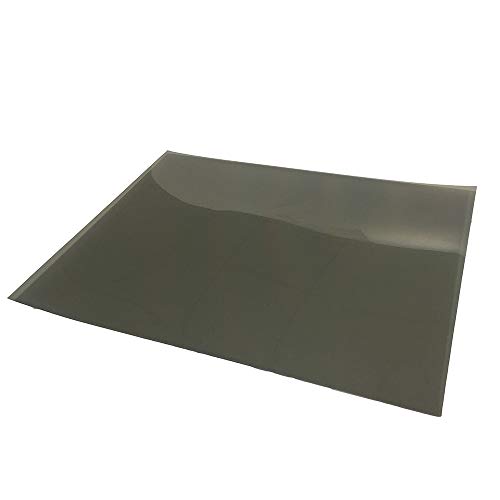
For photographers looking to enhance their landscape shots without breaking the bank, the RENIAN Polarized Film Sheets are a fantastic choice. Measuring 7.8 x 11.8 inches, these linear polarizing filters come in a pack of three, making them versatile for various projects. Simply peel off the protective film on both sides before use. You’ll appreciate how they reduce glare from smooth surfaces like water and glass, allowing for clearer, more vibrant images. Plus, these sheets are great for educational purposes, helping you demonstrate polarization effects in experiments. Elevate your photography and learning experience with these affordable tools!
Best For: Photographers and educators seeking an affordable way to demonstrate and utilize polarization effects in their work.
Pros:
- Versatile pack of three sheets suitable for various photography and educational projects.
- Reduces glare from smooth surfaces, enhancing image clarity and vibrancy.
- Easy to use with a simple peel-off protective film on both sides.
Cons:
- Non-adhesive design may require additional support for certain applications.
- Limited to linear polarization, which may not suit all photographic needs.
- Requires careful handling to prevent scratches or damage during use.
Educational Innovations Polarizer 6×6 in. Plastic Polarizing Filter
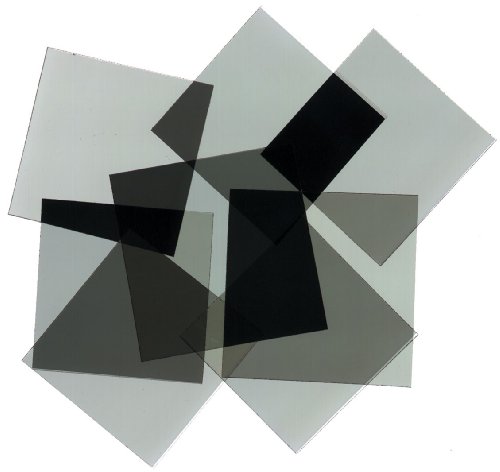
Looking for a versatile tool for educational purposes or casual photography? The Educational Innovations Polarizer 6×6 in. Plastic Polarizing Filter is your go-to choice. Weighing just 0.352 ounces, it’s lightweight and easy to handle. This high-quality filter can reduce glare, making it perfect for webcams, especially if you wear glasses. You can cut it to your desired size for specific applications. Just remember to remove the protective film before use. While it’s great for experimentation, some customers noted potential scratches and quality concerns, so handle it with care. Overall, it’s a practical option for both learning and casual shooting!
Best For: This product is best for educators and casual photographers looking to experiment with polarized light and reduce glare in their images.
Pros:
- High-quality plastic construction that is durable and effective in reducing glare.
- Customizable size as it can be easily cut with scissors to fit specific needs.
- Lightweight and portable, making it convenient for educational demonstrations and casual use.
Cons:
- Some customers reported scratches and scuffs, raising concerns about quality control.
- The protective film must be removed before use, which can be overlooked by users.
- Not recommended for professional applications due to potential quality issues.
K&F CONCEPT 58MM Circular Polarizer Filter

K&F CONCEPT’s 58MM Circular Polarizer Filter stands out for photographers seeking to elevate their landscape images with vibrant colors and reduced glare. Its ultra-slim design prevents vignetting, making it perfect for wide-angle lenses. You’ll appreciate the vivid image quality, as it enhances color saturation and eliminates unwanted reflections from water and glass. The advanced 28-layer coatings protect against water, dust, and scratches, ensuring durability during outdoor shoots. Plus, the rotating ring allows easy adjustments for ideal polarization. While some users may find it tricky to remove, the filter’s performance and quality make it a top choice for landscape photography.
Best For: Photographers looking to enhance their landscape images with vibrant colors and reduced glare.
Pros:
- Enhances color saturation and contrast for more vivid images.
- Effectively reduces reflections and glare from surfaces like water and glass.
- Ultra-slim design prevents vignetting on wide-angle lenses.
Cons:
- Some users report difficulty in removing the filter from lenses.
- May require frequent cleaning to maintain optimal performance.
- Potential issues with resistance during filter rotation adjustments.
Polarized Film Sheets 2 PCS Adhesive Linear Polarizing Filter for Screens

If you’re a photography enthusiast or a professional seeking to enhance your images, the Polarized Film Sheets 2 PCS Adhesive Linear Polarizing Filter for Screens offers a practical solution for various types of displays. Measuring 7.8×11.8 inches, these linear polarizing sheets are ideal for motorcycle dashboards, small screens, and projectors. To use, simply peel off the protective film, align the sticky side, and rotate until you find the perfect angle. With an average rating of 4.3 stars from 833 reviews, users appreciate their effectiveness, although some report issues with adhesive and bubbles. Elevate your display experiences with this versatile tool!
Best For: Photography enthusiasts and professionals looking to enhance displays on various electronic devices.
Pros:
- Versatile applications for motorcycle dashboards, small screens, and projectors.
- Effective at repairing digital odometers and improving screen visibility.
- User-friendly installation process with adjustable positioning for optimal results.
Cons:
- Adhesive challenges reported by some users, leading to application difficulties.
- Bubble formation during installation can affect the final appearance.
- Not suitable for 3D printers, limiting its use in specific contexts.
Amazon Basics Circular Polarizer Camera Lens Filter – 58 mm

The Amazon Basics Circular Polarizer Camera Lens Filter – 58 mm is an ideal choice for budget-conscious photographers seeking to enhance their landscape shots without breaking the bank. Weighing just 0.73 ounces, this filter deepens blue skies and reduces glare, making it perfect for outdoor photography. Its multi-coating minimizes reflections, improving image quality. Compatible with both auto-focus and non-auto-focus cameras, it’s versatile for various photography scenarios. While it may produce soft images with long lenses, its affordability and satisfactory performance make it a great option for beginners and casual users. Get ready to elevate your photography game!
Best For: Budget-conscious photographers looking to enhance their outdoor photography without spending a lot.
Pros:
- Affordable alternative to high-end CPL filters.
- Effective in reducing glare and enhancing image quality for casual use.
- Compatible with both auto-focus and non-auto-focus cameras, making it versatile.
Cons:
- May produce soft images and ghosting, especially with long lenses.
- Reduces light reaching the sensor, requiring higher ISO settings.
- Performance may not meet the expectations of professional photographers.
Selens Linear Polarizing Film A4 (2 Pcs)

For photographers seeking to enhance their landscape shots, the Selens Linear Polarizing Film A4 offers a versatile solution with its excellent polarization effects and variable angles. Measuring 7.8 x 11.8 inches, this high-quality PET film is lightweight and easy to cut for customized applications. Users appreciate its clarity and glare reduction, making it ideal for both photography and educational purposes. However, remember to remove the protective film for peak performance. While some users noted issues with heat resistance and inconsistent effects, its durability and overall value make it a worthy addition to your photography toolkit.
Best For: Photographers and educators looking to reduce glare and enhance visual clarity in their work.
Pros:
- Excellent polarization effects with adjustable angles for customized applications.
- Lightweight and easy to cut, making it versatile for various projects.
- Improves visual clarity and reduces glare, ideal for landscape photography and educational demonstrations.
Cons:
- Requires removal of protective film for optimal performance, which some users may overlook.
- Some reported issues with heat resistance when used under hot studio lights.
- Inconsistent polarization effects can occur depending on the orientation of the sheets.
Polarizing Film with Cleaning Kit and Finger Cots (2 Pcs)

Polarizing film with a cleaning kit and finger cots is an excellent choice for photographers seeking to enhance their landscape images. This adhesive polarized film, measuring 7.9 x 11.9 inches, reduces glare and improves visual clarity. It’s perfect for both LCD screen repairs and photography filters, making it incredibly versatile. The included cleaning kit guarantees your gear stays smudge-free, while finger cots allow you to apply the film without leaving fingerprints. Crafted from high-quality materials, it performs well in varying temperatures and humidity. Users rave about its effectiveness, making it a must-have for your photography toolkit.
Best For: Photographers, DIY enthusiasts, and anyone needing to repair LCD screens or enhance visual clarity in images.
Pros:
- High-Quality Materials: Made from durable materials that withstand various temperatures and humidity conditions.
- Versatile Usage: Suitable for LCD repairs, photography filters, and educational experiments.
- Included Accessories: Comes with a cleaning kit and finger cots for easy application and maintenance.
Cons:
- Limited Size: The film size may not fit larger screens or projects without additional pieces.
- Adhesive Sensitivity: Requires careful handling during application to avoid misalignment or bubbles.
- Specific Use Cases: Primarily designed for specific applications, which may limit general use for some customers.
NEEWER 58mm Polarizer Filter (CPL) with HD Optical Glass

Designed specifically for landscape photographers, the NEEWER 58mm Polarizer Filter (CPL) with HD Optical Glass delivers exceptional color enhancement and contrast. Its 30-layer multi-resistant coating reduces glare and reflections, helping you capture stunning blue skies and vibrant landscapes. The filter blocks 99.9% of glare from non-metallic surfaces, ensuring accurate color rendering. With an ultra-slim 5.9mm frame and durable magnalium alloy construction, it’s built to withstand tough conditions. Plus, the included protective case and cleaning cloth make maintenance a breeze. Elevate your photography with this essential tool and experience vivid colors like never before.
Best For: Landscape photographers seeking to enhance color saturation and contrast in their images.
Pros:
- Exceptional color enhancement and contrast for vibrant landscapes.
- 30-layer multi-resistant coating effectively reduces glare and reflections.
- Durable, ultra-slim design ensures easy handling and minimizes vignetting.
Cons:
- May not be suitable for indoor photography where glare is minimal.
- The 58mm size may not fit all lenses, requiring additional adapters for some cameras.
- Higher price point compared to basic filters on the market.
Factors to Consider When Choosing a Polarizing Filter for Landscapes
When choosing a polarizing filter for landscapes, you need to evaluate several key factors. Think about the type of filter, its size compatibility with your lens, and the quality of the optical glass. Additionally, pay attention to coating features and how frame thickness might affect your setup.
Filter Type Selection
Choosing the right polarizing filter for landscape photography can greatly impact your images. Circular polarizing filters are generally your best bet, as they allow for adjustable polarization effects. This feature enhances color saturation and reduces glare from reflective surfaces like water and glass. While linear polarizing filters are an option, they’re often incompatible with auto-focus cameras, which can limit your shooting options. Look for multi-coated filters with 18 or more layers to minimize glare and improve light transmission, resulting in clearer, more vibrant images. Also, consider the filter’s thickness; ultra-slim designs help prevent vignetting with wide-angle lenses. Always verify the filter’s diameter matches your lens thread size for maximum performance in landscape photography.
Size Compatibility Considerations
Finding the right size for your polarizing filter is just as important as selecting the filter type. Make certain it matches the thread size of your lens, typically measured in millimeters, like 58mm. An ultra-slim design helps prevent vignetting, especially with wide-angle lenses, where dark corners can ruin your shots. Opt for a thinner filter, around 5.3mm, to maintain image quality and avoid cropping issues. Look for filters with a rotating frame, allowing you to adjust the polarization effect based on the light source, vital for enhancing landscape contrast. Finally, confirm compatibility with both auto-focus and non-auto-focus lenses to guarantee the filter won’t interfere with your camera’s functionality during shooting. Happy shooting!
Optical Glass Quality
Optical glass quality plays an essential role in your landscape photography, directly influencing image clarity and color accuracy. High-quality glass minimizes distortion and enhances light transmission, making a noticeable difference in your shots. Look for multi-coated optical glass with 18 or more layers to reduce glare and reflections, which will boost color saturation and contrast. Filters made from AGC glass are particularly effective, maintaining natural color reproduction without unwanted artifacts. Also, consider thickness; ultra-slim designs (around 5.3mm) work best for wide-angle lenses, preventing dark corners in your images. Finally, prioritize scratch-resistant and water-repellent coatings for durability and easy cleaning, ensuring your filter performs well in diverse environmental conditions.
Coating Features Importance
The quality of the coating on a polarizing filter can greatly enhance your landscape photography. Coating features considerably reduce glare and boost color saturation by minimizing unwanted reflections from surfaces like water and glass. Look for filters with multi-layer coatings, ideally between 18 to 30 layers, as they resist scratches, water, and dust, ensuring clearer images. Advanced coatings also help reduce lens flare and ghosting, which keeps your image quality intact in challenging lighting conditions. Aim for a low light reflection rate, ideally below 0.1%, to maximize light reaching your camera sensor. Filters made from superior optical glass with multi-coated designs improve light transmission and minimize distortion, essential for capturing vibrant, true-to-life landscape photos.
Frame Thickness Impact
When choosing a polarizing filter for landscape photography, frame thickness plays an essential role in your images’ quality, especially with wide-angle lenses. A thinner frame, ideally under 6mm, minimizes the risk of vignetting, which can lead to unwanted dark corners in your shots. Thicker frames might obstruct your lens’s view, resulting in loss of image quality and additional shadowing effects. Opting for an ultra-slim design (around 5.3mm or less) enhances light transmission and makes adjusting the polarizing effect smoother. Plus, thinner frames are generally easier to install and remove, allowing you to switch filters quickly. While telephoto lenses face fewer vignetting issues, keeping your setup lightweight and streamlined is still important for effective handling during shoots.
Color Enhancement Capabilities
While you’re capturing breathtaking landscapes, understanding a polarizing filter’s color enhancement capabilities can greatly elevate your photography. These filters enhance color saturation, making your skies appear bluer and foliage greener by reducing glare and reflections from non-metallic surfaces. High-quality filters with multi-layer coatings minimize light reflection, resulting in clearer, more vibrant images. The materials used, like high-definition optical glass, improve light transmission and reduce distortion. Additionally, the ability to adjust the polarization effect lets you selectively enhance colors and contrasts, catering to specific lighting conditions and your artistic vision. Choosing a polarizing filter that excels in these areas guarantees your landscapes pop with depth and richness, transforming your shots into stunning visual experiences.
Durability and Weather Resistance
Choosing a polarizing filter that can withstand the rigors of outdoor photography is essential for capturing stunning landscapes. Look for filters made from durable materials like aluminum-magnesium or magnalium alloy, as they handle harsh conditions better. Multi-resistant coatings are vital, offering water repellent and scratch-resistant properties to endure moisture and abrasives. An ultra-slim design helps prevent vignetting, especially on wide-angle lenses, while maintaining durability. Filters with high-definition optical glass minimize distortion and ghosting, ensuring image clarity even in challenging weather. Additionally, features like UV ray blocking and glare reduction enhance performance, protecting your filter during outdoor shoots. Prioritizing durability and weather resistance will help you capture breathtaking landscapes without worrying about your equipment.
Ease of Use
A polarizing filter‘s ease of use can greatly enhance your landscape photography experience, so look for designs that incorporate practical features. Choose a filter with a rotating ring, allowing you to effortlessly adjust the polarization while composing your shot. Opt for ultra-slim frames, around 5.3mm thick, to prevent vignetting on wide-angle lenses without sacrificing image quality. Multi-layer coatings improve optical performance and make cleaning easier, saving you time on maintenance. Additionally, a lightweight construction enhances handling, especially during long outdoor sessions. Finally, verify compatibility with your lens sizes by checking the thread size, so you can avoid complications during installation and focus on capturing stunning landscapes.