
If you’re serious about jewelry making, investing in a quality anodizing machine can make all the difference. With the right tools, you can achieve stunning finishes and enhance the durability of your pieces. From adjustable speed options to compact designs, these machines cater to all skill levels. Curious about which models stand out from the rest? Let’s explore the top picks that can elevate your craft to a professional level.
Jewelry Bench Polisher with Adjustable Variable Speed
If you’re looking for a versatile tool that caters to both DIY enthusiasts and professional jewelers, the Jewelry Bench Polisher with Adjustable Variable Speed might be your best bet. With a powerful 500W motor and adjustable speeds from 500 to 10,000 RPM, you’ll achieve the perfect polish on various materials. Its compact design and lightweight build make it easy to transport, while the built-in work light enhances visibility. Plus, its low-noise operation means you can work comfortably. Whether you’re polishing jewelry or machine components, this polisher delivers reliable performance for all your crafting needs.
Best For: This product is best for DIY enthusiasts and professional jewelers looking for a reliable and adjustable polishing solution.
Pros:
- Powerful 500W motor with variable speeds from 500 to 10,000 RPM for versatile use.
- Compact and lightweight design makes it easy to transport and suitable for small workshops.
- Built-in work light enhances visibility for detailed polishing tasks.
Cons:
- Corded electric power source may limit mobility compared to battery-operated models.
- Some users may find the 25 lbs weight a bit heavy for prolonged use.
- Customer ratings indicate room for improvement in certain performance aspects.
TEAMWILL Titanium Anode Rhodium Jewelry Plating Mesh (2PCS)

The TEAMWILL Titanium Anode Rhodium Jewelry Plating Mesh is an essential tool for jewelry makers looking to achieve professional-quality rhodium plating. Made from platinized titanium, this mesh offers excellent durability and electrical conductivity while resisting dissolution and color change. Measuring approximately 20 * 5 cm, it’s perfect for cleaning gold and silver ornaments and can effectively coat jewelry surfaces to prevent oxidation. With two pieces included in the package, you’re set for multiple projects. While some users have noted durability issues, the overall performance makes it a worthy addition to your jewelry-making toolkit.
Best For: Jewelry makers seeking high-quality rhodium plating tools for professional results.
Pros:
- Durable material: Made from platinized titanium, ensuring long-lasting use.
- Good conductivity: Excellent electrical conductivity aids in effective electroplating.
- Versatile application: Suitable for cleaning and coating gold/silver ornaments to prevent oxidation.
Cons:
- Durability concerns: Some users report erosion and quality issues after multiple uses.
- Mixed reviews: Customer feedback indicates dissatisfaction with longevity.
- Limited warranty information: Warranty details may not be clearly communicated.
Multifunctional Electric Jewelry Making Machine – Sander Polisher Kit

For jewelry enthusiasts and professionals looking for a versatile tool, the Multifunctional Electric Jewelry Making Machine – Sander Polisher Kit stands out with its 7 adjustable speeds, making it perfect for a variety of materials like silver, gold, and gemstones. Its compact size fits easily on your desk, and the low noise level lets you work while enjoying your favorite show. The heavy-duty alloy steel construction guarantees durability, and the adjustable platform accommodates different sanding needs. With a powerful all-copper motor, you’ll achieve rotation speeds between 4,000 to 9,000 rpm, guaranteeing efficient and reliable performance every time.
Best For: Jewelry makers and hobbyists seeking a compact, efficient tool for polishing and sanding various materials.
Pros:
- Versatile: Suitable for a wide range of materials including metal, wood, and resin.
- Compact Design: Miniature size fits easily on a desk, ideal for limited workspaces.
- Adjustable Speeds: 7-speed settings allow for tailored sanding and polishing based on the project needs.
Cons:
- Weight: Slightly heavy, which may limit portability for some users.
- Initial Setup: Requires pushing the connecting cable if the machine does not respond immediately.
- Noise Level: While low, it may still be noticeable for extremely quiet environments.
BIXIBIN Portable 3-in-1 Jewelry Rolling Mill Machine for DIY and Jewelry Making

Crafted for both beginners and seasoned jewelers, the BIXIBIN Portable 3-in-1 Jewelry Rolling Mill Machine offers exceptional versatility in jewelry making. Made from high-class iron and 45# steel, it boasts a durable, rust-resistant finish. With its 3-in-1 rollers, you can effortlessly create sheets, square wires, and semicircles using metals like gold and silver. Adjust the thickness precisely from 0.001 to 0.26 inches, ensuring you achieve the perfect result for your projects. The ergonomic handle and rounded corners enhance comfort and safety, while easy assembly and maintenance make it an ideal choice for any jewelry maker.
Best For: The BIXIBIN Portable 3-in-1 Jewelry Rolling Mill Machine is best for both beginners and experienced jewelers looking to enhance their crafting capabilities.
Pros:
- Versatile functionality allows for creating various shapes and thicknesses of metal, making it suitable for diverse jewelry-making projects.
- Durable construction with high-class iron and 45# steel ensures long-lasting use and excellent rust resistance.
- User-friendly design features an ergonomic handle and easy assembly, making it accessible for jewelers of all skill levels.
Cons:
- The initial setup may require some time for complete assembly, which could be challenging for absolute beginners.
- Limited to the thickness range of 0.001-0.26 inches, which may not meet the needs of all jewelry-making styles.
- Being a portable machine, it may not have the same stability as larger, stationary rolling mills during heavy-duty use.
500W Polishing Buffing Machine for Jewelry
Looking for an efficient way to polish your jewelry? The 500W Polishing Buffing Machine is perfect for you. With a powerful motor that reaches up to 10,000 RPM and adjustable variable speed, it guarantees a smooth finish every time. Its compact design includes a dust collector and energy-saving light for improved visibility. Weighing just 24.25 lbs, it’s easy to handle. This machine accommodates standard buffs up to 4 inches, making it versatile for various materials, from metals to acrylics. With a 4.6-star rating, customers praise its effectiveness and ease of use. Plus, enjoy the peace of mind with a 30-day return guarantee!
Best For: Jewelry makers and hobbyists looking for an efficient and versatile polishing solution for various materials.
Pros:
- High-speed motor with adjustable speed settings allows for a customized polishing experience.
- Compact design with a built-in dust collector and light enhances visibility and cleanliness during use.
- Positive customer feedback highlights its effectiveness and ease of use for polishing and restoring jewelry.
Cons:
- Weight of 24.25 lbs may make it less portable for some users.
- Limited to standard buffs up to 4 inches, which may restrict options for larger projects.
- Corded electric power source might limit flexibility in workspace arrangement.
ZJchao Platinized Mesh Jewelry Plating Tool

The ZJchao Platinized Mesh Jewelry Plating Tool stands out as an essential asset for jewelers seeking precision and efficiency in their plating processes. Designed specifically for Rhodium electroplating, this titanium anode tool measures approximately 20 * 5 cm and features a 4-inch stem. You can easily bend it and hang it on heat-resistant glass beakers for effective immersion. Its 2.5-micron plated metal guarantees excellent conductivity and uniform current distribution. With a reticulated design, it enhances cleaning capabilities for gold, silver, and copper ornaments, making your jewelry finishing tasks smoother and more effective.
Best For: Jewelers looking for a reliable and efficient tool for Rhodium electroplating and surface cleaning of gold and silver ornaments.
Pros:
- Durable titanium construction ensures longevity and resistance to dissolution or color change.
- Excellent electrical conductivity and uniform current distribution for effective plating results.
- Reticulated design enhances cleaning capabilities, making it suitable for various types of jewelry.
Cons:
- Limited customer ratings with an average of 3.9 out of 5 stars may indicate mixed user experiences.
- Niche application primarily focused on Rhodium plating may not be versatile for other plating needs.
- Best Sellers Rank suggests it may not be a widely recognized choice among all jewelry making tools.
PLANODE Platinum Titanium Anode for Jewelry Plating

For jewelers seeking high-quality plating results, the PLANODE Platinum Titanium Anode is an excellent choice. Designed specifically for gold or rhodium applications, this anode features a GR1 titanium substrate coated with brushed platinum, enhancing both electrocatalytic activity and electrical conductivity. You’ll appreciate its high current efficiency and long electrode life, allowing for multiple uses without contaminating your electrolysis media. With an effective area of 2×4 inches, it’s perfect for plating platinum or gold, while also cleaning gold and silver jewelry. Plus, it withstands harsh conditions without degrading, making it a reliable tool in your jewelry plating arsenal.
Best For: Jewelers looking for efficient and high-quality gold or rhodium plating solutions.
Pros:
- High current efficiency ensures effective plating results.
- Long electrode life allows for multiple uses, reducing the need for frequent replacements.
- Resistant to harsh conditions, making it reliable for various plating and cleaning applications.
Cons:
- May require specific plating machines for optimal performance.
- Initial investment cost could be higher compared to non-platinum anodes.
- Limited to specific applications, such as gold and rhodium plating.
Platinized Anode Jewelry Plating Tool
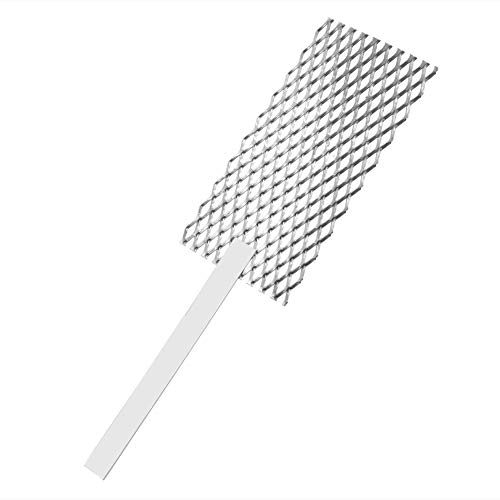
Crafted specifically for jewelry artisans, the Platinized Anode Jewelry Plating Tool excels in delivering high-quality rhodium electroplating. This brand-new plating tool features a durable platinized mesh that resists dissolution, ensuring excellent electrical conductivity. Measuring approximately 20 x 5 cm and weighing just 24 grams, it’s both lightweight and easy to handle. Use it to coat gold or platinum on your jewelry, effectively preventing oxidation. Customers appreciate its efficiency, though feedback on platinum authenticity is mixed. For ideal results in your plating projects, this tool is a reliable addition to your jewelry-making arsenal.
Best For: Jewelry artisans seeking a reliable tool for high-quality rhodium electroplating.
Pros:
- Excellent electrical conductivity due to platinized mesh material.
- Lightweight and easy to handle, measuring approximately 20 x 5 cm.
- Effective in preventing oxidation when coating gold or platinum on jewelry.
Cons:
- Mixed customer feedback regarding the authenticity of the platinum content.
- Average rating of 4.0 out of 5 stars indicates some dissatisfaction.
- Limited information on long-term durability and performance.
Anodized Aluminum Sheet Metal for Laser Engraving

Anodized aluminum sheet metal is perfect for jewelry makers and engravers seeking high-quality materials for their designs. Made from durable 5052 aluminum alloy, it resists bending and deformation, ensuring a long service life. With dimensions of 12” x 12” and a thickness of 1/32”, it’s ideal for engraving signs, plaques, and custom labels. The smooth, oxidized surface allows for precision laser cutting and engraving, making it suitable for creating unique decorative pieces. You can enhance your projects with stickers or use them for metal business cards and trophy plaques, adding a personal touch to your craft.
Best For: Jewelry makers and engravers seeking high-quality, durable materials for creating intricate designs and custom pieces.
Pros:
- Durable Material: Made from 5052 aluminum alloy, resistant to bending and deformation.
- Precision Processing: Smooth, oxidized surface ideal for laser cutting and engraving.
- Versatile Applications: Suitable for a variety of projects including signs, plaques, and decorative items.
Cons:
- Limited Size: Available only in a 12” x 12” dimension, which may not suit larger projects.
- Thickness Restriction: At 1/32” (0.80MM), the material may not be suitable for heavy-duty applications.
- Requires Specialized Equipment: Laser engraving requires specific tools, which may not be accessible to all users.
Stainless Steel Anode for Jewelry Electro Plater

Jewelry makers seeking a reliable and efficient solution for electro cleaning and plating will appreciate the Stainless Steel Anode 6X1 designed specifically for use with electro plating machines. With dimensions of 6 x 1 x 0.1 inches and a thickness of 24ga, this pure stainless steel anode weighs just 1.13 ounces, making it lightweight yet durable. It’s recognized for its functionality, earning an average rating of 4.0 stars from 43 users. While most reviews highlight quick delivery and effectiveness, some mention potential corrosion issues. Overall, it’s a competitively priced choice for elevating your jewelry-making craft.
Best For: Jewelry makers looking for a reliable stainless steel anode for effective electro cleaning and plating.
Pros:
- Lightweight and durable: At just 1.13 ounces, it’s easy to handle without compromising strength.
- Functional design: Specifically crafted for electro cleaning and plating, ensuring optimal performance.
- Positive customer feedback: Most users report quick delivery and effective results.
Cons:
- Corrosion issues: Some customers have reported problems with corrosion over time.
- Contamination concerns: A few reviews indicate potential contamination in solutions used with the anode.
- Limited warranty information: Warranty details are available only upon request, which may be inconvenient for some buyers.
Factors to Consider When Choosing a Jewelry Anodizing Machine
When you’re choosing a jewelry anodizing machine, several key factors come into play. You’ll want to take into account power and performance specs, material compatibility, and adjustable speed features to guarantee it meets your needs. Additionally, think about portability, design, and the machine’s maintenance requirements for long-lasting durability.
Power and Performance Specs
Choosing the right anodizing machine involves several key power and performance specifications that can greatly impact your polishing results. First, look for adjustable speed settings, ideally ranging from 500 to 10,000 RPM, to tailor your approach for different materials. The motor power is another vital factor; a machine with around 500 watts will enhance performance and efficiency. Noise level matters too—opt for low-noise models to maintain a comfortable workspace. Additionally, features like built-in dust collectors and exhaust fans help keep your area clean while boosting overall performance. Finally, guarantee compatibility with standard buffing tools, ideally supporting buffs up to 4 inches in diameter, for versatility in your jewelry polishing tasks.
Material Compatibility and Use
Selecting the right anodizing machine involves ensuring it aligns with the materials you plan to work with, such as aluminum or titanium. Different metals require specific anodizing processes; for example, titanium often uses platinized titanium anodes for their durability and conductivity. You’ll also want to check if the machine can handle various metal thicknesses, as anodizing needs can differ based on dimensions and material properties. Compatibility with electrolytic plating solutions is essential for effective cleaning and plating without contamination. Additionally, look for machines that support multiple metal coatings, like rhodium or gold, to enhance versatility for your jewelry projects and to prevent oxidation. This way, you’re set for a range of creative possibilities.
Adjustable Speed Features
Adjustable speed features can greatly enhance your anodizing experience, allowing you to customize the RPM settings to suit your specific needs. Typically ranging from 500 to 10,000 RPM, these settings give you better control over the anodizing process. You can choose slower speeds for delicate tasks and higher speeds for heavier materials, ensuring ideal results. Machines with variable speed settings often operate at lower noise levels and reduced vibrations, creating a more comfortable working environment. Plus, the ability to fine-tune speeds is invaluable when working with different materials, like metals and plastics. Many advanced machines include a rotary switch or slider, making it easy to shift between tasks quickly and efficiently.
Portability and Design
When you’re on the hunt for a jewelry anodizing machine, portability and design play vital roles in guaranteeing it fits your workspace and meets your needs. A compact design is essential if you work in a small workshop or need a mobile solution. Opt for a lightweight machine to make transporting it between locations or storing it a breeze. Features like built-in work lights can greatly enhance visibility in tight spaces, making your tasks easier. Additionally, consider the machine’s dimensions to confirm it’s user-friendly and accessible during operation. Ergonomic elements, such as rounded handles and stable mounting options, contribute to a comfortable and safe experience while you anodize your jewelry pieces.
Maintenance and Durability
A well-designed jewelry anodizing machine not only enhances your workspace but also requires proper maintenance to guarantee it performs at its best for years to come. Regularly clean the anodes and check electrical connections to prevent corrosion. The durability of your machine largely depends on the materials used; opt for high-quality metals like titanium or stainless steel to resist wear and chemical degradation. Consider the usage frequency and plating solution type, as platinized titanium anodes typically last longer. Make sure you operate within specified voltage and current limits to avoid overheating. Finally, using quality plating solutions minimizes contamination and wear, enhancing performance and reducing maintenance needs over time. Prioritize these factors to maximize your investment in an anodizing machine.