
A portable wood stove can bring useful heat and a cooking surface to a cabin, but portability alone does not make a stove suitable for indoor use. Venting, clearances, and the cabin’s layout matter just as much as firebox size.
These six options span outdoor-style camping stoves, compact heating stoves, and a cookstove with an oven. Use the guide below to narrow your choice—and confirm that any stove you plan to use indoors is approved for that installation.
Best 6 Portable Wood Stove for Cabin Picks for 2026
Best for Outdoor Cooking
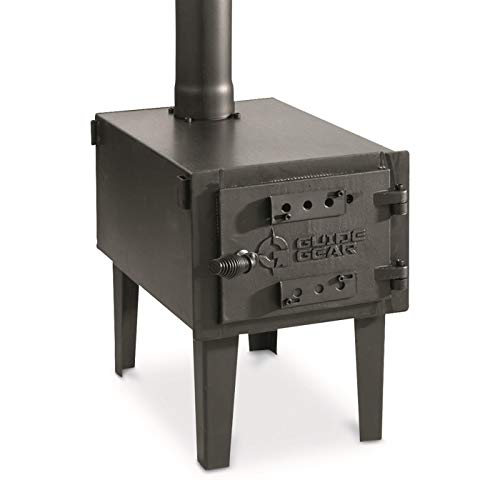
- Outdoor-use stove for cooking and warmth
- Cooktop accommodates pots and pans
- Pipes and legs pack inside
Best For: Outdoor cooking beside a cabin or at camp
Best for Baking
Trailblazer Cookstove with Oven
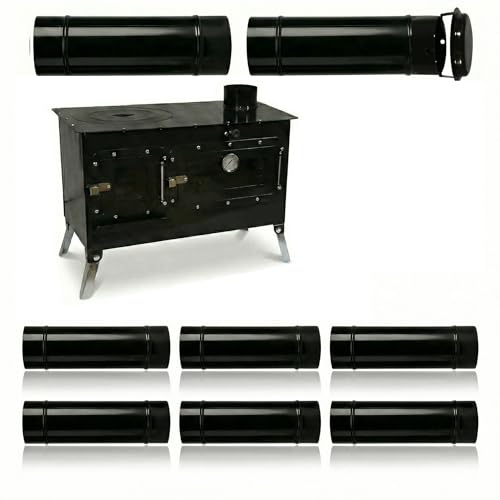
- Oven fits a standard 13×9 pan
- Multiple cooktop and griddle options
- Packs pipes and accessories inside
Best For: Off-grid cabin cooking and baking
Best for Heating Focus
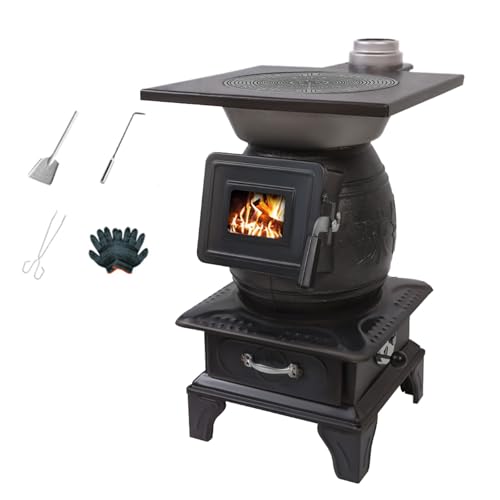
- Designed for indoor cabin heating
- Window and ash box aid upkeep
- Listed size and weight need verification
Best For: Heating-focused buyers willing to verify the specifications
Cooking-Friendly Pick
VEVOR 118-Inch Camping Wood Stove

- 3,000-cubic-inch firebox
- Detachable cooking shelves
- Eight chimney pipes included
Best For: Campers who want extra cooking space and a sizable firebox
Large Outdoor Pick

- 24-by-17-by-15-inch firebox
- Parts pack inside for transport
- Outdoor use only; weighs 88 pounds
Best For: Outdoor cooking near a cabin or campsite
Compact Cast-Iron Pick

- 11-by-11-inch footprint
- Viewing window and multiple fuel options
- Chimney pipes and two elbows included
Best For: Compact heating and cooking setups with verified venting
Best for Outdoor Cooking – Guide Gear Outdoor Wood Stove
Guide Gear Outdoor Wood Burning Stove; Portable with Chimney Pipe for Cooking and Camping
Check Price On AmazonIf you’re shopping for a portable wood stove for cabin trips but plan to cook and warm up outside, the Guide Gear is a practical option. Its top platform handles pots and pans, while five interlocking pipe sections and detachable legs pack inside the stove for transport.
Best For: Outdoor cooking and warmth near a cabin, campsite, or backyard.
Pros:
- Top platform can heat cookware, boil water, or cook simple meals.
- Galvanized steel firebox and cast-iron door are built for wood burning.
- Pipes and legs stow inside the stove for transport.
Cons:
- Designed for outdoor use, not indoor cabin heating.
- At 42.4 pounds, it still takes some effort to move.
Choose this one for an outdoor cooking setup beside your cabin; look elsewhere if you need a stove intended for indoor use.
Best for Baking – Trailblazer Cookstove with Oven
For buyers who want a portable wood stove for cabin cooking beyond a basic hotplate, the Trailblazer adds an oven that fits a standard 13×9 pan. Removable cooktop rings, two heat zones, and an included reversible grill/griddle give you several ways to prepare meals off-grid.
Best For: Off-grid cabin cooking that includes baking, boiling, frying, and grilling.
Pros:
- Oven accommodates a standard 13×9 pan.
- Removable rings, two heat zones, and reversible grill/griddle expand cooking options.
- Folding legs and pipe sections that pack inside the firebox aid transport.
- Adjustable air slider and built-in flue damper provide draft control.
Cons:
- At about 50 pounds, it is better suited to planned transport than frequent carrying.
- Indoor use requires proper venting, a heat shield beneath the stove, and carbon-monoxide precautions.
This is the cooking-focused pick if oven meals matter. Plan the chimney and floor protection before using it inside a cabin.
Best for Heating Focus – Small Cast Iron Cabin Stove
If your priority in a portable wood stove for cabin use is heating, this cast-iron model is marketed for indoor warmth and also supports boiling and grilling. A viewing window helps you monitor the fire, and an ash box and rake are intended to make cleanup easier.
Best For: Buyers seeking a cabin heating stove with basic cooking capability who can confirm its specifications before ordering.
Pros:
- Fully welded, airtight design is intended to retain heat.
- Window, ash box, and included ash rake support fire monitoring and cleanup.
- Accepts firewood or dry branches and supports basic cooking.
Cons:
- Listing dimensions conflict: the title says 22.4 × 14.5 × 14.5 inches, while the details list 0.39 inches per side.
- The listed 16-ounce weight also warrants verification for a cast-iron stove.
The heating features are appealing on paper, but confirm the actual size, weight, and installation requirements before relying on this listing for a cabin setup.
Cooking-Friendly Pick – VEVOR 118-Inch Camping Wood Stove
If you want a portable wood stove for cabin trips that also gives you room to cook, this VEVOR model pairs a 3,000-cubic-inch firebox with detachable 7-by-20-inch shelves. Its damper and ventilation holes let you adjust the burn, while the ashtray helps with cleanup.
Best For: Campers who want a sizable firebox and extra cooking space in a stove they can pack away.
Pros:
- Detachable shelves and side mesh racks provide cooking and storage space.
- Eight chimney pipes, gloves, and cleaning tools are included.
- 3 mm alloy-steel panels, a spark arrestor, and a bottom fire grate add practical durability and fire-control features.
Cons:
- The listed 58.6-pound item weight makes this a carry-to-camp option rather than a lightweight stove.
- Its shelves and chimney pipes require setup before use.
This is the most cooking-oriented choice here, but check your cabin’s flue arrangement and required clearances before planning to use any camping stove indoors.
Large Outdoor Pick – Guide Gear Wood Burning Stove
For shoppers comparing a portable wood stove for cabin-area cooking, the Guide Gear model offers a large 24-by-17-by-15-inch firebox and a hinged cast-iron door. Its parts pack inside the firebox for transport, though the listing specifies outdoor use only.
Best For: Outdoor cooking and heating near a cabin or campsite, rather than installation inside a cabin.
Pros:
- Large firebox accommodates a bigger wood load.
- Galvanized steel body has a high-temperature finish and a cast-iron hinged door.
- Chimney components pack inside the firebox for transport.
Cons:
- Specified for outdoor use only; not a choice for heating a cabin interior.
- At 88 pounds, it is heavy for frequent carrying.
Choose this one when firebox size matters more than low weight, and keep its outdoor-only designation central to your decision.
Compact Cast-Iron Pick – Indoor/Outdoor Wood Stove
This compact cast-iron model is worth a look if your portable wood stove for cabin use needs a small footprint and a cooking surface. The listing specifies indoor and outdoor use and includes stainless chimney pipes, two elbows, fire tongs, a shovel, and gloves.
Best For: Buyers seeking a compact stove for heating and simple cooking who can verify a suitable cabin venting setup.
Pros:
- 11-by-11-inch footprint takes up relatively little floor space.
- Viewing window lets you check the fire without opening the door.
- Supports several listed fuels, including firewood, branches, sawdust, and coal.
- Includes chimney pipes and two elbows for vent-routing flexibility.
Cons:
- No item weight is supplied, so carrying ease is hard to assess.
- The listing does not provide a heating-area rating or burn-time figure.
Its included vent parts and compact size are appealing, but confirm the chimney configuration, clearances, and local requirements before using it inside a cabin.
How We Picked the Best Portable Wood Stove for Cabin
We selected six stoves representing different priorities: compact heating, larger fireboxes, cooking surfaces, an oven, and portable designs with chimney components. Product names and listings can describe similar-looking stoves in very different ways, so we did not treat claims such as “camping,” “hot tent,” or “indoor” as proof that a stove is safe for a cabin. Before buying, check the current manufacturer instructions and specifications for the exact model.
Quick Comparison: Which Style Fits Your Cabin?
For occasional outdoor cooking or a temporary campsite beside a cabin, a smaller portable camping stove may be enough. A larger firebox can reduce how often you reload, but it also takes more floor space and may call for greater clearances. If meal preparation is the priority, the Trailblazer’s oven makes it the cooking-focused option in this group. The cast-iron heating models may appeal to buyers seeking a more traditional cabin stove, provided their documentation supports the intended indoor installation. The Guide Gear and VEVOR camping-style models warrant especially careful verification before any enclosed-space use.
Key Buying Factors for a Portable Wood Stove for Cabin Use
Indoor Approval and Venting
Start with the installation manual—not the product title. Confirm whether the stove is permitted in a cabin or other structure, what chimney system it requires, and whether local building and fire rules allow the installation. A supplied tent-stove pipe is not automatically a code-compliant cabin chimney. Never vent through a wall or roof using improvised components, and install working smoke and carbon monoxide alarms.
Heat Output, Firebox, and Fuel
Match the stove to the cabin’s insulated area, climate, and how long you need heat between reloads. Firebox volume can be a useful comparison point, but it does not establish heat output or burn time on its own. Check the manufacturer’s stated fuel requirements and use properly seasoned wood where specified.
Space, Weight, and Cooking Needs
Measure for the stove, hearth protection, chimney route, and required clearances—not just the stove body. Also consider whether you can safely move and store it when cold. A flat stovetop may handle a kettle or pan; an oven is more useful for baking but adds bulk. Confirm the cooking surface dimensions if you rely on specific cookware.
Who Should Buy Which Portable Wood Stove for Cabin?
Choose a compact portable model if easy transport and outdoor cooking matter most. Consider a larger-firebox design when longer heating sessions are the goal and you have room for a compliant installation. Pick the oven-equipped cookstove if off-grid meals are central to your plans. For a cabin’s primary indoor heat, prioritize a stove explicitly approved for residential installation, with a suitable chimney and professional installation guidance—even if that means choosing outside this shortlist.
