
If you sew leather, bags, shoes, or bulky repair items, the right machine can save time and deliver cleaner, stronger stitches. A cylinder arm leather sewing machine is especially useful when flatbeds struggle with curves, tight openings, and awkward assemblies.
Below, we’ve narrowed the field to 10 buyer-worthy options and focused on the features that matter most for real workshop use: power, control, stitch quality, and the kind of work each machine handles best.
Best 10 Cylinder Arm Leather Sewing Machine Picks for 2026
Best for Bags & Thick Materials
FY335A Cylinder Arm Walking Foot Machine

- Cylinder arm design helps with tubular and curved sewing
- Walking foot feed is suited to thick leather and layered materials
- Includes table, servo motor, LED light, drawer, and hardware
Best For: Leatherworkers and bag makers who want a complete industrial setup for heavy materials.
Best for Simple Manual Control
Leather Cobbler Machine for Shoes
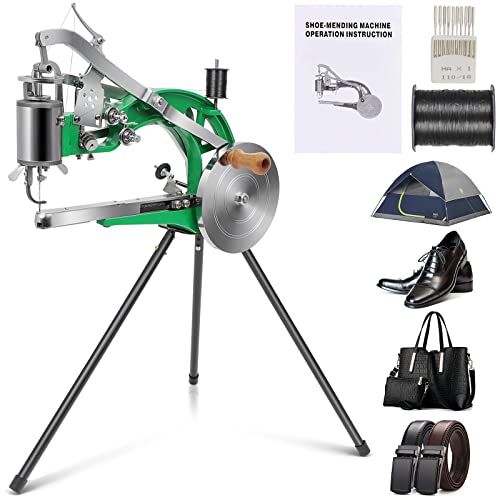
- Manual hand-drive operation for precise control
- Compact alloy build for easy storage and movement
- Handles shoe repairs, leather goods, and fabric items
Best For: DIY repairers and home users who need a manual cobbler machine for occasional leather and shoe work.
Best for Entry-Level Leather Projects
Weaver Leathercraft 303 Leather Sewing Machine
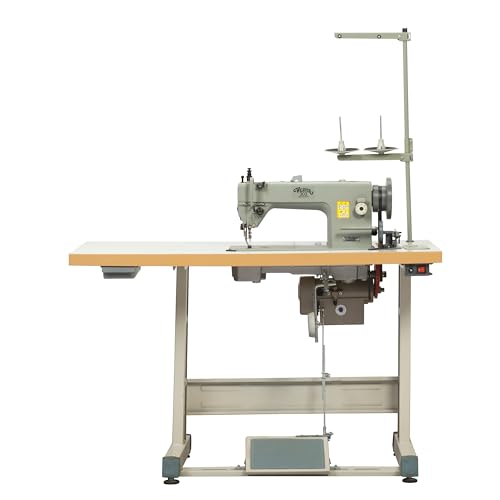
- Speed reducer improves control for beginners and detail work
- Oil bath design keeps maintenance simple
- Includes stand, servo motor, and useful starter accessories
Best For: Beginners and hobbyists sewing lighter leather bags, accessories, and detail work.
Best for Thick-Material Repairs
6150 Industrial Straight Stitch Head
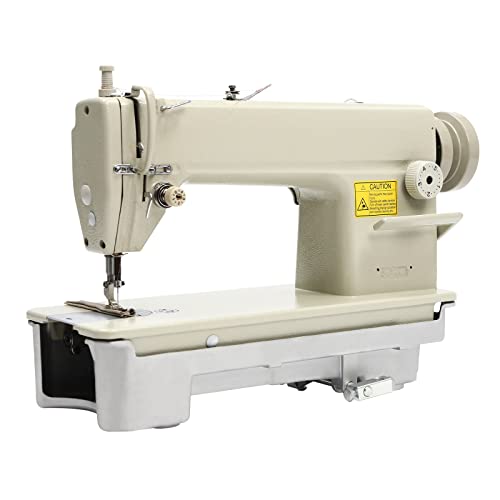
- Heavy-duty iron build for workshop durability
- Handles leather, canvas, rubber, and other thick goods
- Reverse stitch and stitch-length controls improve precision
Best For: Repair shops and DIY users sewing boots, bags, and other thick materials.
Best Manual Control
Leather Patcher Industrial Sewing Machine
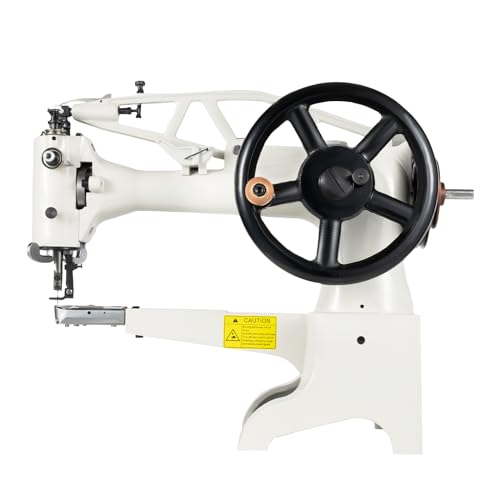
- Hand-crank operation for precise repair work
- Adjustable stitch length and thread tension
- Omnidirectional feeding for patching seams
Best For: Leather repair work on shoes, boots, and other thick materials.
Best for Bag Sealing
Heavy Duty 110V Bag Stitching Closer

- 2,600 stitches per minute for fast sealing
- Manual and automatic thread cutting modes
- Lightweight 7.7 lb build with included accessories
Best For: Logistics and warehouse users who need a portable closer for sacks, woven bags, and utility materials.
Best for Heavy-Duty Leather Repairs
INTBUYING Leather Stitching Machine

- Cylinder arm design for boots, shoes, and tubular leather
- Manual or motor-driven use for flexible control
- Heavy cast-iron build for repair-shop durability
Best For: Leather repair shops and DIY cobblers working on boots, shoes, and curved leather pieces.
Best for Shoe & Leather Repairs
BEAMNOVA Leather Stitching Machine

- Manual control for shoes, boots, bags, and thick leather
- Heavy-duty metal build with upgraded support structure
- Free-standing tripod design with starter needles and thread
Best For: Cobblers and DIY repair users stitching thick leather goods and curved areas.
Best for Bags & Thick Materials – FY335A Cylinder Arm Walking Foot Machine
If you need a cylinder arm leather sewing machine for bags, tubular parts, and other bulky projects, the FY335A is built for serious industrial work. Its cylinder arm design helps you maneuver around tight curves and enclosed seams, while the walking foot feed supports thick layers of leather, canvas, upholstery, and similar materials. This package also includes a complete table setup with a quiet servo motor, light, and drawer.
Best For: Leatherworkers, bag makers, and small shops that want a complete industrial setup for heavy materials.
Pros:
- Cylinder arm layout makes it easier to sew bags, sleeves, and other tubular items
- Walking foot feed handles thick leather and layered materials more reliably
- Complete table kit includes servo motor, LED light, drawer, and hardware
- Servo motor is quieter and more energy-efficient than many clutch setups
Cons:
- Professional assembly is required
- 150-pound shipment is heavy and less convenient to move
- Knockdown delivery means setup takes more time than a ready-to-use machine
As a cylinder arm leather sewing machine, the FY335A is a practical choice if you want industrial stitching power plus a full table kit in one purchase. It is especially appealing for makers who work on bags and leather goods and need better access around curved or confined seams.
Best for Simple Manual Control – Leather Cobbler Machine for Shoes
If you want a practical cylinder arm leather sewing machine for straightforward repairs, this manual cobbler machine is built for basic shoe work, bags, and other heavy materials without needing electricity. Its compact aluminum-alloy frame, hand-drive control, and support for nylon or cotton thread make it a solid fit for small repair jobs at home.
Best For: Home users, cobblers, and DIY repairers who want a manual machine for shoes, zippers, tents, and leather fixes.
Pros:
- Manual drive gives you direct control over stitch speed and placement
- Compact, lightweight design is easier to store and move around
- Works with nylon or cotton thread across a wide range of materials
- Durable alloy construction is designed for repeated repair work
Cons:
- Manual operation takes practice and is slower than powered machines
- Assembly and setup may require careful adjustment for smooth sewing
- Not ideal for users who need high-volume production speed
This cylinder arm leather sewing machine is a good pick if you value control, durability, and a simple footprint more than speed or automation. It fits best as a repair-focused tool rather than a full-scale sewing station.
Best for Entry-Level Leather Projects – Weaver Leathercraft 303 Leather Sewing Machine
If you want a cylinder arm leather sewing machine alternative that’s affordable, easy to maintain, and well suited to lighter leatherwork, the Weaver Leathercraft 303 is worth a look. It’s a light-duty lockstitch machine built for precise stitching on leather, nylon, and textile projects, especially when you need control for bags, personal accessories, and other detail-oriented work.
Best For: Beginners and hobby leatherworkers who need a practical, easy-to-operate machine for lighter-duty bags, accessories, and detailed stitching.
Pros:
- Speed reducer helps you dial in slower, more controlled stitching for detail work
- Oil bath lubrication reduces upkeep and eliminates tracking dozens of oiling points
- Knee lift makes presser-foot control easier during longer sewing sessions
- Includes useful extras like thread, needles, bobbins, oil, nippers, and a light
Cons:
- Limited to lighter materials, with a maximum thickness of about 1/4 inch
- 110-115V only, so it won’t suit all shop power setups
- Not ideal for heavy-duty production or thick, stacked leather
For buyers comparing a cylinder arm leather sewing machine to a simpler entry-level setup, the Weaver 303 stands out for ease of use, solid stitch control, and low-maintenance operation. It’s a smart fit if your projects lean toward lighter leather goods rather than heavy industrial work.
Best for Thick-Material Repairs – 6150 Industrial Straight Stitch Head
If you need a cylinder arm leather sewing machine for heavy repairs and workshop use, this 6150 straight-stitch head is built for thick materials like leather, canvas, rubber, and bags. It focuses on durability and consistent stitch control, making it a practical pick for shops and DIY users who care more about reliable performance than decorative extras.
Best For: Repairing boots, bags, shoes, and other thick-material projects with a durable straight-stitch machine.
Pros:
- Heavy-duty iron construction with a wear-resistant painted finish
- Works well on leather, canvas, rubber, and other thick materials
- Reverse stitch switch and stitch-length markings help with control
- Automatic bobbin winder and oil return pump simplify routine use
Cons:
- Straight-stitch only, so it is not a multi-purpose home machine
- Motor, table, and some setup parts are not included
- Better suited to workshop use than casual sewing
This cylinder arm leather sewing machine angle is strongest for repair-focused buyers who want a rugged head for thick goods and consistent straight stitching. If your priority is durability and practical industrial use, it offers a solid foundation for leatherwork and repair tasks.
Best for Shoe Repair – Manual Cobbler Leather Sewing Machine
If you want a hands-on cylinder arm leather sewing machine for repairs and small workshop tasks, this manual cobbler model is built for stitching shoes, belts, and other leather goods without needing electricity. Its 360-degree rotating foot and needle setup helps you sew in different directions, which is especially useful when working around tight curves and awkward seams.
Best For: Shoe repairers, cobblers, and DIY users who need a compact hand-powered machine for leather and footwear projects.
Pros:
- Hand-powered design works anywhere and keeps setup simple.
- 360-degree rotating needle and foot make directional stitching easier.
- Compatible with nylon and cotton thread for multiple materials.
- Detachable stand helps save space when stored.
Cons:
- Manual operation is slower than an electric machine.
- Requires assembly and basic maintenance before use.
- Less suited to high-volume production work.
For buyers focused on repairs rather than large-scale sewing, this cylinder arm leather sewing machine offers a practical, compact way to handle leather shoes, rubber shoes, and similar projects. It is a good fit if you value portability and directional control over automation.
Best Manual Control – Leather Patcher Industrial Sewing Machine
If you want a cylinder arm leather sewing machine feel with more control for repairs and patchwork, this hand-crank leather patcher is built for thick materials like shoes and boots. It keeps the setup simple while still offering adjustable stitch length, omnidirectional feeding, and a manageable manual pace for precise work.
Best For: Leather repair shops, shoe repair tasks, and buyers who want a hand-powered machine for thick, hard-to-reach seams.
Pros:
- Hand-powered design gives you slow, controlled stitching for repairs
- Adjustable stitch length and thread tension help match different materials
- Omnidirectional feeding supports patching and directional seam changes
- Cast iron build is suited to heavy-duty use on thick goods
Cons:
- Not electric, so output is slower than powered industrial machines
- At 61+ pounds, it is not something you’ll want to move often
- Manual operation may take practice for consistent results
For repair-focused work, this cylinder arm leather sewing machine style option stands out for its hands-on control rather than speed. It’s a practical pick if you need a rugged machine for shoes, boots, and other thick materials without relying on motorized power.
Best for Bag Sealing – Heavy Duty 110V Bag Stitching Closer
If you need a cylinder arm leather sewing machine style closer for sacks, woven bags, and other tough materials, this compact 110V unit is built for fast sealing rather than fine garment work. It reaches up to 2,600 stitches per minute, handles materials up to 10mm thick, and is light enough to move between work areas without much effort.
Best For: Logistics teams, warehouses, and small workshops that need a portable machine for closing bags, sacks, and heavier utility materials.
Pros:
- Fast 2,600 stitches per minute helps speed up repetitive sealing jobs.
- Manual and automatic thread cutting modes add convenience on busy lines.
- Light 7.7 lb build makes it easy to carry and store.
- Includes extra blades, thread spools, and a power cord to get started.
Cons:
- Designed more for bag closing than precision leather craft stitching.
- 110V power limits use to compatible outlets or regions.
- Not ideal if you need a full-size industrial sewing setup.
For buyers prioritizing speed, portability, and simple bag sealing, this cylinder arm leather sewing machine type closer offers a practical value. It is a better fit for sacks, woven bags, and warehouse use than for detailed leatherwork.
Best with Extra Features – Industrial Hand Crank Leather Sewing Machine
If you want a cylinder arm leather sewing machine alternative that prioritizes control over speed, this hand-crank model is built for steady repair work on leather, canvas, rubber, and similar heavy materials. Its 11.81-inch arm gives you extra reach for bags, boots, and cylindrical pieces, while the manual drive helps you place stitches more deliberately.
Best For: DIY users, shoe repair jobs, and small repair projects where manual precision matters more than automation.
Pros:
- Manual hand-crank operation gives you strong stitch control
- 11.81-inch long arm helps with awkward and cylindrical items
- Handles thick materials like leather, canvas, rubber, and nylon thread
- Adjustable stitch length supports different repair tasks
Cons:
- Not as fast or effortless as a motorized industrial machine
- Electric setup requires additional table frame and motor
- Best suited to repairs, not high-volume production
This is a practical choice if you need a cylinder arm leather sewing machine style solution for repairs and custom work without jumping into a full industrial setup. The manual design is slower, but it can be a real advantage when stitch placement and feed direction matter.
Best for Heavy-Duty Leather Repairs – INTBUYING Leather Stitching Machine
If you need a cylinder arm leather sewing machine for boots, bags, and other tubular leather work, this INTBUYING model is built for practical shop repairs rather than delicate sewing. Its cast-iron body, 360° rotating presser foot, and cylinder-style arm make it easier to stitch around hard-to-reach areas, while the hand-crank/manual option adds flexibility when you want more control.
Best For: Leather repair shops, cobblers, and DIY users who mainly sew shoes, boots, patches, and other curved or tubular items.
Pros:
- Handles tubular leather work and shoe repairs with a cylinder arm design
- Manual or motor-driven operation gives you flexible control
- Rotating presser foot helps sew in multiple directions without turning the material
- Heavy cast-iron build suits demanding, repetitive repair tasks
Cons:
- Motor is not included, so electric setup requires a separate purchase
- Not ideal for light, everyday garment sewing
- Limited customer feedback makes long-term reliability harder to judge
As a cylinder arm leather sewing machine, this INTBUYING unit is geared toward repair-focused stitching where reach and control matter more than convenience features. It makes the most sense for buyers who can work with a manual, industrial-style machine and want a specialized tool for leather patches, shoe uppers, and similar jobs.
Best for Shoe & Leather Repairs – BEAMNOVA Leather Stitching Machine
If you need a cylinder arm leather sewing machine for repairs rather than fashion sewing, the BEAMNOVA is built for heavy, hand-operated work on shoes, boots, bags, and other thick materials. Its free-standing tripod base, open arm design, and included needle/thread starter kit make it a practical choice for cobblers, leather shops, and serious DIY users.
Best For: Cobblers, leather crafters, and DIY repair users who want a manual machine for stitching shoes, boots, and heavy leather goods.
Pros:
- Hand-powered design gives you manual control for curved and narrow repair areas
- Heavy-duty metal body with upgraded support structure for shop use
- Free-standing tripod setup does not require a workbench installation
- Includes 10 needles and nylon thread so you can start right away
Cons:
- Manual operation will be slower than an electric machine
- Primarily aimed at repair work, not general garment sewing
- Some users may need practice to get consistent stitch control
For buyers who want a cylinder arm leather sewing machine style tool focused on repairs, this BEAMNOVA model offers strong utility and good access around awkward shapes. It makes the most sense if your priority is stitching thick materials and restoring leather goods, not high-speed production.
How We Picked These Cylinder Arm Leather Sewing Machines
We prioritized machines that are relevant to leatherworkers, cobblers, and repair shops, with an emphasis on build type, material handling, and setup practicality. Models were chosen for their ability to sew thick materials, handle curved seams or tight areas, and support common workshop use cases such as bags, footwear, straps, canvas, and patch repair.
We also looked for meaningful differences in power source, feed style, portability, and included accessories so shoppers can compare complete setups instead of bare heads only.
Quick Comparison: What Matters Most
The fastest way to narrow your choice is by matching the machine to your workload. Complete table kits are better for dedicated stations and higher-volume work. Hand-crank or patch-style machines suit repairs, mobile use, and smaller jobs. Walking-foot and industrial heads are typically better for consistent feeding on layered material, while simpler stitchers may be enough for light to medium leather tasks.
Key Buying Factors for a Cylinder Arm Leather Sewing Machine
Reach and Arm Shape
The cylinder arm design helps you sew around boots, bags, tubular pieces, and other enclosed shapes. Check the arm diameter and throat access if you plan to work on narrow openings or deep seams.
Material Capacity and Stitch Control
Look for stated thickness limits, motor power, and stitch speed. For leather, slower controlled stitching is often more valuable than raw speed, especially on visible topstitching or delicate repair work.
Motor Type and Setup
Servo motors usually offer quieter, more controllable operation than higher-speed setups. Hand-operated machines can be useful when you need portability or direct control, but they are not ideal for every production environment.
Accessories and Workspace Needs
Consider whether the machine includes a stand, table, motor, thread guides, and spools. A complete package may cost more upfront, but it can reduce setup time and hidden expenses.
Who Should Buy Which Cylinder Arm Leather Sewing Machine?
If you run a leather workshop or sew bags and accessories regularly, choose a full industrial Cylinder Arm Leather Sewing Machine with a servo motor and stable table setup. If your work is mostly shoe repair, patching, or occasional fixes, a cobbler-style or hand-crank machine may be the more practical pick. For heavier canvas, mixed-material jobs, or occasional thick repairs, focus on the strongest feed system and best thickness rating rather than the highest stitch speed.
In short, match the machine to the shape of the project, not just the material. The best choice is the one that gives you enough access, control, and durability for the work you do most often.