
An electric clay extruder can save time on repetitive shaping, but the machines in this roundup serve very different jobs. Some are full-size pug mills built to mix and extrude pottery clay; others are rechargeable handheld tools with small dies for thin strands.
Start with the material you use, the amount you need to process, and the size of the extrusion you want. Those details matter more than a machine’s headline output rating.
Best 10 Electric Clay Extruder Picks for 2026
High-Output Studio Pick
EQCOTWEA 1500W Clay Mixer and Pug Mill

- Listed 330 lb/h output
- 2.36-inch clay outlet
- 270 pounds with four casters
Best For: Studios preparing larger ceramic-clay batches
Handheld Incense Pick
Rechargeable Three-Plate Incense Extruder

- 2, 2.5, and 3 mm plates
- Rechargeable with Type-C
- Rinse removable parts only
Best For: Home crafting of small-diameter incense sticks
Vacuum Refining Pick
Yokoma 1500W Dual-Shaft Clay Mixer

- Integrated vacuum device
- Twin stainless steel shafts
- 380-pound machine on casters
Best For: Studios combining clay mixing with vacuum de-airing
Cordless Detail Pick
Three-Mold Electric Incense Maker
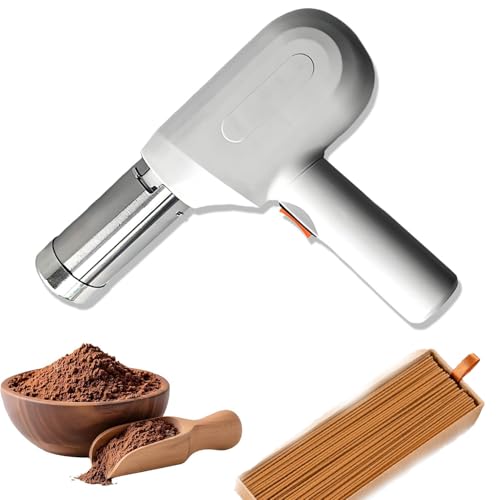
- 2, 2.5, and 3 mm molds
- One-button forward and reverse
- Type-C rechargeable handle
Best For: DIY incense and other thin-strand craft projects
Best for Easy Setup
BEILOCKERY 1500W Double-Shaft Clay Extruder

- Stated output of 396 lb/h
- Dual-shaft mixing with vacuum de-airing
- Four wheels; two have brakes
Best For: Studios processing larger clay batches
Best for Everyday Use
Rechargeable Stick Incense Extruder

- Includes 2, 2.5, and 3 mm molds
- One-button forward and reverse
- Type-C charging; detachable rinseable parts
Best For: DIY incense sticks in multiple diameters
Compact-Footprint Pug Mill
INTSUPERMAI Vacuum Clay Extruder

- 110V, 1500W double-shaft mixer
- Stated stirring capacity of 396 lb/h
- Vacuum gauge and four swivel wheels
Best For: Workshops needing vacuum processing in a narrow footprint
Rechargeable Incense Pick
Electric Stick Incense Extruder
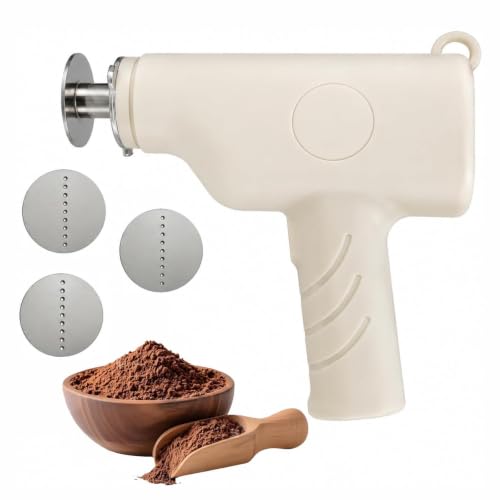
- 2, 2.5, and 3 mm mold plates
- One-button forward/reverse control
- Type-C charging; rinseable attachments
Best For: Handheld DIY incense-stick making
Studio Production Pick
Banfluxion Vacuum Clay Extruder & Mixer

- Up to 396 lb/h stated capacity
- Double-shaft vacuum pug mill
- 363 lb; four positioning wheels
Best For: Studio-scale ceramic clay preparation
One-Touch Incense Pick
Stainless Steel Buddha Incense Extruder

- 2, 2.5, and 3 mm molds
- One-touch forward/reverse control
- Type-C charging; detachable rinseable parts
Best For: Rechargeable DIY incense-stick making
High-Output Studio Pick – EQCOTWEA 1500W Clay Mixer and Pug Mill
If you need an electric clay extruder for substantial pottery-studio throughput, this EQCOTWEA mixer and pug mill lists a 330 lb/h output and a 2.36-inch clay outlet. Its 1500W, 110V setup is intended for clay preparation rather than small decorative extrusions.
Best For: Studios preparing larger batches of ceramic clay.
Pros:
- Listed capacity of up to 330 lb/h.
- Stainless steel shaft resists rust and supports easier cleaning.
- Chain drive is designed for low-speed, high-torque operation.
- Four built-in casters help with positioning.
Cons:
- At 270 pounds, moving it still requires planning despite the casters.
- Its 30.3 x 18.1 x 36.6-inch dimensions demand dedicated floor space.
Choose this model when batch capacity matters more than a compact footprint. The supplied details do not establish that it includes a vacuum system, so check that separately if de-airing is essential.
This handheld electric clay extruder is geared toward thin incense sticks and similar small craft projects, not pottery-scale clay preparation. Its rechargeable design and included 2, 2.5, and 3 mm mold plates offer a cordless way to make different stick diameters.
Best For: Home crafters making small-diameter incense sticks.
Pros:
- Three interchangeable plates provide 2, 2.5, and 3 mm openings.
- Powered forward and reverse controls reduce manual pressing.
- Type-C charging supports use away from an outlet.
- Detachable extrusion parts can be rinsed after use.
Cons:
- Small mold openings are unsuitable for wide pottery extrusions.
- The main body cannot be washed or immersed.
The snap-lock head should be fully rotated into place before operation. Pick this for portable, narrow extrusions rather than studio clay processing.
For a studio seeking an electric clay extruder with built-in de-airing, the Yokoma combines a vacuum device with twin stainless steel mixing shafts. A shockproof vacuum gauge gives you a way to monitor the vacuum during clay preparation.
Best For: Pottery studios that want mixing and vacuum de-airing in one machine.
Pros:
- Vacuum system is designed to remove air bubbles from clay.
- Dual stainless steel shafts knead and homogenize the mixture.
- Vacuum gauge supports monitoring during de-airing.
- Four casters allow repositioning within a workspace.
Cons:
- At 380 pounds, it is a substantial piece of equipment even with casters.
- Its 48.43-inch length calls for significant floor space.
This is the more specialized option when de-airing is part of your workflow. The supplied details do not list an hourly output, so compare capacity with your studio’s needs before buying.
If your electric clay extruder search is really about narrow strands for incense or DIY fragrance work, this rechargeable handheld model offers 2, 2.5, and 3 mm molds. Its one-button forward and reverse control keeps operation straightforward.
Best For: Small DIY incense and fragrance projects needing thin extrusions.
Pros:
- Three mold sizes let you choose between 2, 2.5, and 3 mm strands.
- Copper-core motor and metal gear provide powered extrusion.
- Type-C charging and an ergonomic grip suit handheld use.
- Detachable components can be rinsed after use.
Cons:
- Narrow molds are not intended for large pottery forms.
- The main body is not water-washable.
Fully rotate and lock the snap-fit head before starting. This is a compact option for detailed strands, not a substitute for a clay mixer or pug mill.
Best for Easy Setup – BEILOCKERY 1500W Double-Shaft Clay Extruder
For studios processing substantial amounts of clay, this electric clay extruder combines vacuum de-airing with dual-shaft mixing. Its stated output is up to 396 pounds per hour, and its stainless steel construction is designed for regular studio use.
Best For: Pottery studios that need high-volume clay mixing and vacuum de-airing.
Pros:
- Dual shafts knead and homogenize clay.
- Vacuum gauge helps monitor de-airing during operation.
- Four swivel wheels, including two with brakes, aid positioning.
Cons:
- At 368 pounds and 48.4 inches long, it requires substantial space and planning for delivery.
- Its production capacity may be more than a casual potter needs.
The combination of vacuum processing, high stated throughput, and braked wheels makes it a practical choice for a dedicated studio rather than an occasional-use workspace.
This handheld electric clay extruder is geared toward making thin incense sticks, not preparing pottery clay in bulk. It includes 2 mm, 2.5 mm, and 3 mm mold plates and charges through a Type-C port.
Best For: DIY incense makers who want a handheld tool with several stick sizes.
Pros:
- Three included mold plates offer different extrusion diameters.
- One-button forward and reverse control simplifies adjustments.
- Detachable components can be rinsed for cleanup.
Cons:
- The main body is not water-washable.
- Its small molds are unsuitable for mixing or de-airing pottery batches.
Choose this one for small-diameter incense extrusion; check that the head is fully rotated and locked before running it.
This 110V, 1500W electric clay extruder mixes ceramic clay with double shafts and processes it through a vacuum system. Its stated stirring capacity is 396 pounds per hour, while the listed dimensions are 43.3 by 11.81 by 27.55 inches.
Best For: Ceramic workshops seeking vacuum clay processing in a relatively narrow machine.
Pros:
- Vacuum processing is designed to produce denser clay with fewer bubbles.
- Shock-resistant gauge displays the vacuum level during operation.
- Four swivel wheels help move the 299-pound machine around a workshop.
Cons:
- Its 299-pound weight still calls for careful delivery and placement.
- The industrial-style capacity may exceed the needs of occasional users.
The narrow listed width and wheeled base help with workshop placement, but this remains a substantial machine best suited to regular clay-processing work.
Rechargeable Incense Pick – Electric Stick Incense Extruder
This electric clay extruder is designed primarily for making thin incense sticks, with three mold plates for 2 mm, 2.5 mm, and 3 mm output. Its rechargeable, handheld design suits small DIY fragrance projects rather than bulk pottery work.
Best For: DIY incense makers who want a handheld tool with a choice of stick sizes.
Pros:
- Includes three interchangeable mold sizes.
- One-button forward and reverse control.
- Type-C charging and an ergonomic grip.
Cons:
- Designed for narrow incense-style output, not large pottery extrusions.
- Only the detachable attachments can be rinsed; the main body cannot.
The locking head adds an important setup step: rotate it fully into place before running the motor. Choose this for incense-making convenience, not as a substitute for a studio clay mill.
Studio Production Pick – Banfluxion Vacuum Clay Extruder & Mixer
For a pottery workspace that needs clay preparation as well as extrusion, this electric clay extruder combines a double-shaft mixer with vacuum processing to remove air bubbles and compact clay. Its stated capacity is up to 396 pounds per hour.
Best For: Pottery studios or small-scale ceramic production needing high-volume clay mixing and vacuum extrusion.
Pros:
- Vacuum processing targets trapped air and clay consistency.
- Stainless steel double shafts and a steel frame support heavy-duty use.
- Four swivel wheels, including two with brakes, help with positioning.
Cons:
- At 363 pounds, it is a substantial machine despite its wheels.
- Its 43.3-by-27.55-inch listed footprint needs dedicated floor space.
This is the production-focused option in the group: a 110V, 1500W pug mill with a vacuum gauge and straightforward switch control. Check your available space and handling needs before choosing it.
One-Touch Incense Pick – Stainless Steel Buddha Incense Extruder
This handheld electric clay extruder is aimed at DIY incense-stick making, supplying 2 mm, 2.5 mm, and 3 mm molds for different stick sizes. One-touch forward and reverse operation keeps the controls simple.
Best For: DIY fragrance makers who want a rechargeable incense extruder with selectable mold sizes.
Pros:
- Three included mold sizes provide output options.
- Copper-core motor and metal gearing drive the mechanism.
- Type-C charging and a contoured handle support handheld use.
Cons:
- Its small mold openings suit incense sticks rather than broad pottery shapes.
- The main body cannot be washed, though detachable parts can be rinsed.
Fully rotate and lock the snap-fit head before use. This is a practical match for thin incense output, but its supplied specifications do not establish it as a general-purpose pottery extruder.
How We Picked These Electric Clay Extruders
We grouped the listed machines by their intended use rather than treating every product labeled an Electric Clay Extruder as interchangeable. The selection includes 1,500W studio-style mixers and pug mills, some advertised with vacuum operation, alongside compact rechargeable tools supplied with 2, 2.5, and 3 mm plates. We compared the stated power, output or mixing capacity, die sizes, and likely workspace requirements. Listing specifications are a starting point, not proof of performance with every clay body.
Quick Comparison: Pug Mill or Handheld Tool?
For pottery production: The EQCOTWEA, Yokoma, BEILOCKERY, INTSUPERMAI, and Banfluxion listings describe larger clay-mixing or pug-mill machines. These are the relevant choices if you need to process substantial batches and extrude prepared clay. Compare each machine’s actual outlet size and operating requirements before ordering.
For thin strands and small crafts: The handheld incense-making tools list interchangeable 2, 2.5, and 3 mm plates and rechargeable operation. They may suit small-diameter forms, but they are not substitutes for a pug mill or a broad range of pottery dies. Several listings have very similar names and descriptions, so check the seller, included accessories, and exact model rather than assuming they are different machines.
Key Buying Factors for an Electric Clay Extruder
Material and Output Shape
Check what the maker says the machine can extrude, then match the outlet or supplied dies to your project. A narrow incense plate will not make wide handles, tiles, or hollow pottery forms. If custom profiles matter, confirm that compatible dies are available; do not assume they are included.
Mixing, Vacuum, and Capacity
A mixer-extruder can reduce separate clay-preparation steps. A model advertised as a vacuum extruder may be worth considering when de-airing is important, but confirm its vacuum components and setup requirements. Ratings such as 330 or 396 lb/h describe claimed throughput or mixing capacity, not a guaranteed rate with your particular clay consistency.
Power, Space, and Upkeep
The large listed machines specify 110V and 1,500W; verify outlet and circuit requirements from the manufacturer before purchase. Allow room for loading, receiving clay, and cleaning the machine. For handheld options, check charging details, battery information, and whether the plates and contact surfaces are easy to clean.
Who Should Buy Which Electric Clay Extruder?
Choose a studio-style mixer or pug mill if you regularly prepare larger quantities of pottery clay and have dedicated space for a heavy machine. Prioritize a vacuum-listed model only if its documented features fit your process. Choose a rechargeable handheld extruder if your main goal is short runs of narrow strands and portability matters more than throughput. If you need specific handle or decorative profiles, confirm die compatibility first—or look for a dedicated pottery extruder rather than buying solely on the strength of a general product name.