
Choosing the right timer can make watering more consistent, save time, and reduce waste. The best garden hose timers help you automate lawns, flower beds, drip lines, and soaker hoses with less guesswork.
In this roundup, we focus on practical features, easy setup, durability, and control options so you can quickly narrow down the best fit for your yard.
Best 10 Garden Hose Timers Picks for 2026
Easy Scheduling Pick
RAINPOINT 1-Outlet Digital Hose Timer

- Set start time, duration, and frequency with simple programming
- Rain delay pauses watering for 24/48/72 hours automatically
- Large LCD screen shows schedule details and power status
Best For: Routine lawn, yard, and soaker hose watering
Simple Manual Pick
Orbit Mechanical Metal Hose Timer
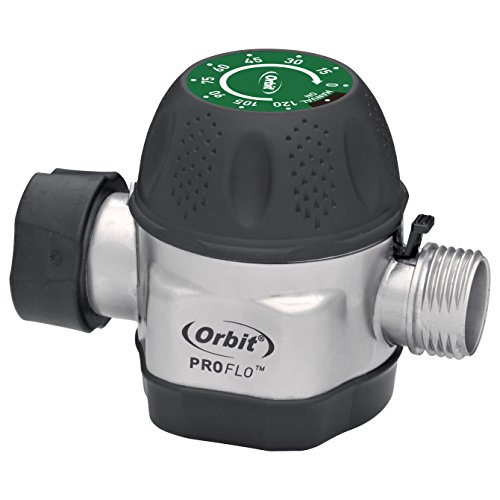
- Battery-free clockwork timer with a simple dial
- Durable metal build and high-flow design
- Set watering for 15 to 120 minutes
Best For: Quick, battery-free timed watering
Multi-Zone Control Pick
RAINPOINT 3-Program Hose Timer

- Three separate programs for different watering needs
- Rain delay and manual mode add flexible control
- Brass inlet and IP54 design help resist leaks
Best For: Managing multiple watering schedules with one timer
Trusted Digital Pick
Orbit Programmable Hose Watering Timer

- Clear LCD screen makes programming simple
- Built-in rain delay helps save water in wet weather
- Water-resistant design with a six-year limited warranty
Best For: Simple automatic watering with weather-aware control
Dual-Zone Upgrade
RAINPOINT 2-Zone Programmable Hose Timer

- Two programmable zones for separate watering schedules
- Auto, manual, and rain delay modes for flexible control
- Large LED display with easy one-click operation
Best For: Two-zone watering setups that need simple scheduling and flexibility
Reliable Dual-Outlet Pick
Orbit Programmable Digital Hose Timer

- Dual outlet design for two watering lines
- LCD screen with simple digital programming
- Built-in rain delay and water-resistant build
Best For: Simple dual-outlet watering with easy scheduling
Brass-Inlet Value
Insoma 1-Outlet Sprinkler Timer

- Easy dial-and-button setup with flexible scheduling
- Manual watering, rain delay, and child lock included
- Large LCD display and brass inlet for everyday use
Best For: Single-zone watering with simple controls and handy safety features
Heavy-Duty Brass Pick

- Pure brass inlet and outlet
- Runs 1-240 minute watering cycles
- Rain Delay pauses watering 24/48/72 hours
Best For: Durable single-zone watering on hoses, lawns, beds, and greenhouses
Dual-Zone Control Pick
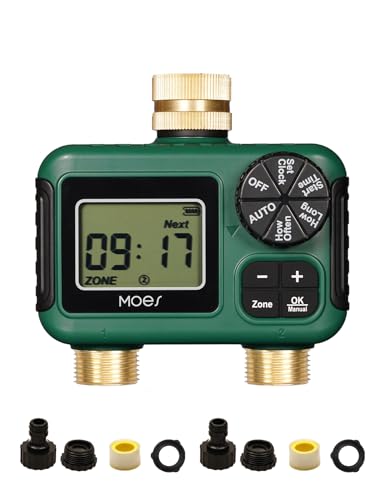
- Two independently programmable outlets
- Brass inlet/outlet with leak-resistant design
- Rain delay plus manual watering mode
Best For: Two-zone watering setups with different schedules
Easy-Read Budget Pick
Outdoor Garden Hose Faucet Timer

- Easy dial-and-button setup
- Auto, manual, and rain delay modes
- Includes reducing bushing and thread seal tape
Best For: Simple single-outlet watering with helpful setup extras
Easy Scheduling Pick – RAINPOINT 1-Outlet Digital Hose Timer
If you want garden hose timers that make watering feel precise instead of guesswork, this RAINPOINT model is built around simple programming. You can set a start time, choose watering lengths from 1 minute to 3 hours 59 minutes, and pick frequencies from every hour up to every 7 days.
Best For: Gardeners who want an easy-to-set digital timer for routine lawn, yard, or soaker hose watering.
Pros:
- Custom start time, duration, and watering frequency for flexible scheduling
- Rain delay pauses the plan for 24, 48, or 72 hours and then resumes automatically
- Manual mode lets you water on demand from 1 minute to 8 hours without changing the schedule
- Large LCD screen displays watering time, frequency, and power status clearly
Cons:
- Requires 2 AA alkaline batteries, which are not included
- Single outlet design limits it to one watering zone
This is a practical pick if you want a straightforward digital controller with useful rain-delay protection and a readable display. It focuses on accurate scheduling rather than extra complexity, which makes it a solid fit for everyday outdoor watering.
Simple Manual Pick – Orbit Mechanical Metal Hose Timer
Among garden hose timers, this Orbit mechanical model stands out for simplicity: no batteries, no digital menus, just a clockwork-style dial. You set watering anywhere from 15 to 120 minutes, and the timer shuts the water off automatically when time is up.
Best For: Buyers who want a battery-free, easy-to-use timer for quick watering sessions.
Pros:
- No batteries required, so it works like a simple egg timer
- Metal construction adds durability and a heavier-duty feel
- High-flow design offers 20% more water flow than standard mechanical timers
- Oversized dial is easier to use with gloved or wet hands
Cons:
- Limited to 15-120 minute watering durations
- Only offers basic timed watering, with no digital scheduling features
This timer makes sense if you value reliability and fast setup over advanced programming. It is a practical mechanical option for users who just need a dependable shutoff during short watering runs.
Multi-Zone Control Pick – RAINPOINT 3-Program Hose Timer
If you need garden hose timers that can handle more than one watering routine, this RAINPOINT unit adds three separate programs for different areas or plant needs. It supports start times, watering durations from 1 minute to 3 hours 59 minutes, and watering frequencies from 6, 8, or 12 hours up to 7 days.
Best For: Gardeners who want one timer to manage multiple watering schedules in different spots.
Pros:
- Three independent programs for separate watering needs
- Rain delay pauses watering for 24, 48, or 72 hours to help avoid overwatering
- Manual mode allows on-demand watering from 1 minute to 8 hours
- Brass inlet and IP54 waterproof/leakproof design add durability
Cons:
- Plastic body may not feel as rugged as metal alternatives
- Requires batteries to run the digital controls
This model is a strong fit when one basic timer is not enough and you need multiple schedules without juggling separate devices. The combination of programmable settings, rain delay, and a clear LCD screen makes it a flexible irrigation tool for varied outdoor setups.
Trusted Digital Pick – Orbit Programmable Hose Watering Timer
For shoppers comparing garden hose timers, this Orbit digital model offers a familiar mix of easy scheduling and outdoor durability. It turns a faucet into an automatic watering system, with an LCD screen for quick programming and a built-in rain delay feature to pause watering when conditions turn wet.
Best For: Homeowners who want a straightforward battery-powered digital timer with rain delay and a clear display.
Pros:
- Digital programming with a clear LCD screen for easy schedule setup
- Built-in rain delay helps pause watering during rainy conditions
- Water-resistant design supports outdoor use
- Backed by a six-year limited warranty for private use
Cons:
- Single outlet limits use to one watering line
- Plastic construction may be less heavy-duty than metal options
This is a balanced pick if you want a dependable digital timer from a known brand without adding unnecessary complexity. It focuses on the essentials: simple programming, water-saving control, and weather-aware scheduling.
Dual-Zone Upgrade – RAINPOINT 2-Zone Programmable Hose Timer
If you want garden hose timers that can handle two separate watering areas, this RAINPOINT model is built around flexible scheduling and easy everyday use. It lets you set different times and durations for each zone, and the rain delay plus manual watering modes make it practical for routine lawn and garden care.
Best For: Homeowners who need separate schedules for two watering zones and want simple control.
Pros:
- 2-zone programming lets each area have its own start time and duration
- Auto, manual, and rain delay modes add useful day-to-day flexibility
- Wide timing range supports short or extended watering plans
- Large LED display and one-click operation make setup straightforward
Cons:
- Requires a 3/4" interface, so compatibility should be checked before buying
- Rusted faucets or pipes may create a loose connection
Overall, this timer stands out if you need a more capable hose timer for two zones without adding a complicated control system. The durability claims, rain delay options, and low-battery warning make it a solid set-and-forget pick for everyday irrigation.
Reliable Dual-Outlet Pick – Orbit Programmable Digital Hose Timer
Among garden hose timers, this Orbit unit is a straightforward way to turn a faucet into an automatic watering setup. Its dual outlet design, clear LCD screen, and rain delay feature make it a practical option for people who want dependable scheduling with minimal fuss.
Best For: Gardeners who want a simple dual-outlet timer with easy digital controls.
Pros:
- Dual outlet design supports watering two lines from one faucet
- Clear LCD screen makes programming and reading schedules simple
- Built-in rain delay helps pause watering during wet weather
- Water-resistant design is made for outdoor use
Cons:
- Does not offer the more advanced zone-specific flexibility of some multi-zone timers
- Basic digital controls may feel limited if you want highly customized scheduling
This Orbit timer is a solid choice if you value easy setup and trusted, no-nonsense performance. The six-year limited warranty is also a reassuring touch for a product meant to live outdoors.
Brass-Inlet Value – Insoma 1-Outlet Sprinkler Timer
If you need garden hose timers with practical features and a simpler single-outlet setup, this Insoma model covers the basics well. It offers easy programming, manual watering, rain delay, and a child lock, making it a useful pick for lawns, gardens, greenhouses, and other scheduled watering jobs.
Best For: Buyers who want a basic one-outlet hose timer with helpful safety and convenience features.
Pros:
- Easy dial-and-button programming with flexible start, frequency, and duration settings
- Manual watering and rain delay modes add convenience without changing the preset schedule
- Child lock helps prevent accidental changes
- Brass inlet and large LCD display improve usability
Cons:
- Single outlet only, so it is not suited for multi-zone setups
- Requires alkaline AA batteries; rechargeable batteries cannot be used
- Not suitable for systems without water pressure, such as rain barrels
For a one-outlet timer, this model gives you a strong mix of everyday convenience and readable controls. It is especially appealing if you want reliable scheduled watering for a variety of outdoor or greenhouse uses without a more complex interface.
Heavy-Duty Brass Pick – QUOBAS Brass Sprinkler Timer
If you want one of the more durable garden hose timers for everyday watering, this QUOBAS model stands out for its brass construction and straightforward programming. It covers standard hose setups while giving you flexible control over start times, run length, and watering intervals.
Best For: Gardeners who want a brass hose timer for lawns, flower beds, soaker hoses, or greenhouse watering.
Pros:
- Pure brass inlet and outlet for a leak-resistant, corrosion-resistant connection
- Flexible scheduling with 1-240 minute durations and intervals from every 1-12 hours or 1-7 days
- Rain Delay feature helps pause watering for 24, 48, or 72 hours
- Large LCD screen and IPX5 waterproof rating for easier outdoor use
Cons:
- Uses 2 AA batteries, which are not included
- Single-zone design may not suit users needing multiple watering areas
This is a practical pick if your priority is durable hardware and simple automatic watering control. The brass fittings and broad pressure range make it well suited to regular outdoor use, especially where leak resistance matters.
Dual-Zone Control Pick – MOES 2 Zone Sprinkler Timer
For gardeners comparing garden hose timers that can handle two separate watering areas, this MOES model offers independent zone control in a durable brass-bodied design. It gives you separate scheduling for each outlet, which is useful when different plants need different watering times or frequencies.
Best For: Home gardeners and landscapers who need two independently programmed watering zones.
Pros:
- Two independent outlets with separate watering schedules, durations, and frequencies
- Brass inlet and outlet help improve leak resistance and long-term durability
- Silicone potting technology adds protection against moisture, dust, and shock
- Includes rain delay and manual watering mode for added flexibility
Cons:
- More features may mean a slightly more involved setup than a basic timer
- Batteries are not included
This is a strong option if you need more control than a single-outlet timer can offer. The dual-zone setup and sealed internal protection make it a good fit for managing different parts of a yard or garden without sacrificing durability.
Easy-Read Budget Pick – Outdoor Garden Hose Faucet Timer
This outdoor timer is a straightforward choice among garden hose timers if you want easy programming and useful everyday features without a complicated setup. It supports automatic scheduling, manual watering, and rain delay, plus it includes extras like a reducing bushing and thread seal tape for broader hose compatibility.
Best For: Budget-conscious buyers who want a simple programmable timer for drip irrigation, lawns, or greenhouse use.
Pros:
- Simple dial-and-button programming for start time, frequency, and duration
- Three watering modes: auto, manual, and rain delay
- Large LCD display and child lock for easier, safer operation
- IP55 waterproof design and fiber-reinforced connector for higher pressure use
Cons:
- Single outlet only, so it cannot manage multiple zones
- Batteries are not included
If you want an uncomplicated hose timer with solid practical features, this one covers the basics well. It is especially appealing for users who need flexible scheduling and compatibility help right out of the box.
How We Picked the Best Garden Hose Timers
We looked for Garden Hose Timers that balance ease of use, watering flexibility, and dependable construction. Priority went to models with clear scheduling controls, useful rain delay or manual override options, and hardware that can stand up to outdoor use.
We also considered whether a timer is better suited to a single watering zone or a multi-zone setup, since the right choice depends on how many areas you need to manage.
Quick Comparison
Mechanical timers are the simplest option: no batteries, no programming screens, and a straightforward countdown-style approach. Digital timers typically add more scheduling control, rain delay, and automatic start times. Multi-outlet models are best if you want to water different beds or sections on separate schedules.
Key Buying Factors for Garden Hose Timers
Power Source
If you want the least maintenance, a battery-free mechanical timer can be appealing. Digital Garden Hose Timers usually offer more features but require batteries and occasional checks.
Number of Zones
One-outlet timers work well for a single lawn line or hose. Two-zone or multi-program models are more useful if you have separate beds, containers, or irrigation lines with different watering needs.
Control Features
Look for rain delay, manual watering, and automatic mode options. These features make it easier to pause watering during wet weather or run a quick cycle without changing your schedule.
Build Quality
Outdoor timers should have durable fittings, ideally with brass inlets or outlets where available, plus water-resistant housing. A solid connection helps reduce leaks and long-term wear.
Setup and Readability
Clear displays, simple buttons, and intuitive dials matter more than many buyers expect. If you will adjust the timer often, choose a model that makes programming quick and obvious.
Who Should Buy Which Garden Hose Timers?
If you want the simplest possible setup, a mechanical timer is usually the easiest pick. If you want more precise schedules, choose a digital model with flexible programming and rain delay. For yards with multiple watering zones, a dual-outlet or multi-program timer is the smarter choice.
For most buyers, the best Garden Hose Timers are the ones that match your watering routine first, then add the features you will actually use. Start with zone count, then decide whether you value simplicity, automation, or maximum scheduling control.