
A great gimbal head for wildlife photography keeps long telephoto lenses balanced, smooth, and easier to follow when the action moves fast.
Below, we focus on support, balance, load capacity, and usability so you can choose a setup that feels stable in the field.
Best 7 Gimbal Head for Wildlife Photography Picks for 2026
Best for Heavy Telephoto Rigs
Benro Carbon Fiber Gimbal Head

- Carbon fiber body helps cut vibration and carry weight
- 66 lb capacity suits large telephoto wildlife setups
- Arca-Swiss clamp makes balancing fast and secure
Best For: Wildlife and sports shooters using heavy telephoto lenses who need a lightweight, stable gimbal.
Best for Heavy Telephoto Tracking

- Balances large lenses for smooth wildlife tracking
- Rugged, compact, and built for serious field use
- Arca-Swiss style clamp for versatile mounting
Best For: Bird and wildlife photographers using heavy telephoto lenses who want smooth, stable tracking.
Best for Heavy Telephoto Lenses
SIRUI PH-Series Carbon Fiber Gimbal Head (PH-20)
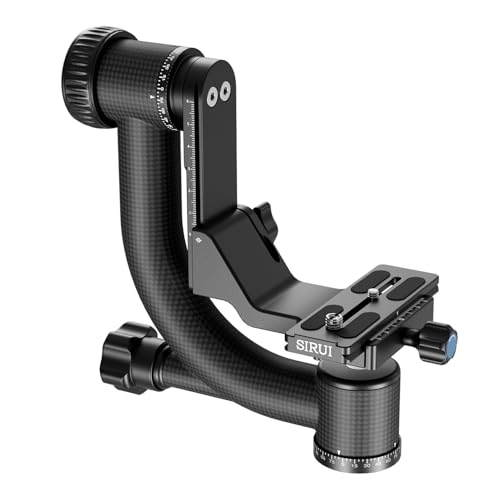
- 20kg load capacity for big telephoto rigs
- Carbon fiber arm keeps weight manageable
- Smooth 360° panning and wide tilt range
Best For: Wildlife photographers using heavy telephoto lenses who want smooth, balanced tracking.
Best Heavy-Duty Pick
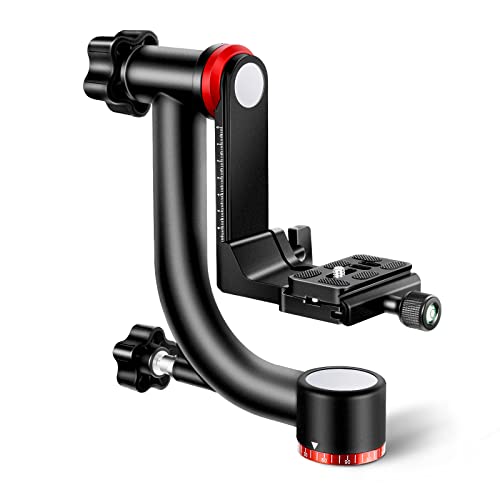
- 30 lb load capacity for heavy telephoto rigs
- Smooth 360° panning with bearing structure
- Arca-type plate for broad camera compatibility
Best For: Bird and wildlife shooters with heavier DSLR or telephoto setups.
Best for Easy Setup
Benro GH2N Aluminum Gimbal Head

- Handles up to 55 lb for large wildlife lenses
- Smooth pan/tilt movement for tracking fast subjects
- Arca-compatible clamp and long plate simplify balancing
Best For: Wildlife and sports shooters using big telephoto lenses who want steady, balanced tracking.
Best for Fast Setup
YC Onion Tako T23 Carbon Fiber Tripod Kit

- One-flip leg release speeds up setup.
- Includes gimbal head, ball head, and overhead rig.
- Carbon fiber build is travel-friendly and stable.
Best For: Wildlife shooters who need a fast, versatile tripod kit for telephoto work.
Best for Comfort
K&F Concept 360° Panoramic Gimbal Head

- 20kg/44lb load capacity for heavier telephoto kits
- Smooth 360° movement for tracking wildlife
- Scale markings help with repeatable lens balance
Best For: Wildlife shooters with heavier telephoto setups who want smooth, stable movement.
Best for Heavy Telephoto Rigs – Benro Carbon Fiber Gimbal Head
If you need a gimbal head for wildlife photography that can keep a long lens steady without weighing down your kit, the Benro GH5C is built for the job. Its carbon fiber construction helps reduce vibration, while the high load rating and smooth controls make it easier to track birds, deer, and other fast-moving subjects.
Best For: Wildlife and sports shooters using heavy telephoto lenses who want a lightweight, stable gimbal for long sessions.
Pros:
- Carbon fiber build keeps weight down at just 2.4 lbs
- Supports up to 66 lbs for oversized camera and lens setups
- Smooth pan and tilt motion with separate tension controls
- Arca-Swiss clamp and sliding plate simplify balancing long lenses
Cons:
- More expensive than entry-level gimbal heads
- May be overkill for lighter mirrorless or short lens setups
For photographers who prioritize stability, balance, and low fatigue, this is a strong gimbal head for wildlife photography. The GH5C feels especially well suited to long days in the field where smooth tracking and reliable support matter more than compact size.
Best for Heavy Telephoto Tracking – Wimberley Gimbal Head II
If you need a dependable gimbal head for wildlife photography, the Wimberley WH-200 is built for smooth control with large telephoto lenses. It keeps the lens balanced around its center of gravity, which makes following birds and animals easier and reduces fatigue on long shooting sessions.
Best For: Birders, wildlife shooters, and anyone using big telephoto glass who wants fluid pan-and-tilt movement without fighting the rig.
Pros:
- Supports very large lenses with excellent balance and stability
- Smooth pan and tilt action makes tracking moving wildlife easier
- Arca-Swiss style clamp works with many telephoto setups
- Made in the USA with a rugged, compact build
Cons:
- Priced higher than entry-level gimbal heads
- Primarily useful for telephoto work, not general-purpose shooting
- May feel overbuilt if you use lighter lenses
The WH-200 stands out as a proven gimbal head for wildlife photography when stability, smoothness, and long-lens control matter most. It is a serious tool for photographers who regularly work with heavy optics and want a durable head that stays precise in the field.
Best for Heavy Telephoto Lenses – SIRUI PH-Series Carbon Fiber Gimbal Head (PH-20)
If you need a gimbal head for wildlife photography that can handle long lenses without feeling sluggish, the SIRUI PH-20 is built around that job. Its carbon-fiber arm and aluminum L-platform keep weight down while supporting serious loads, and the smooth tilt and panorama movement make it easier to follow birds and moving animals.
Best For: Wildlife shooters using large telephoto setups who want balanced movement, solid load capacity, and Arca-compatible convenience.
Pros:
- Supports up to 20kg, making it suitable for heavy camera and lens combinations
- Carbon fiber arm keeps the head relatively light at 1.1kg
- 360° panning and +150° to -60° tilt help with smooth tracking
- Scales for tilt, rotation, and height simplify repeatable setup
Cons:
- Not the lightest choice if you hike long distances with your gear
- May be more head than needed for smaller lenses or casual use
For photographers who prioritize balance and control, the PH-20 is a very practical gimbal head for wildlife photography. It is especially appealing if you regularly use long glass and want precise adjustments for tracking subjects and dialing in your nodal point for panoramas.
Best Heavy-Duty Pick – NEEWER GM101 Gimbal Head
If you need a gimbal head for wildlife photography that can handle a big telephoto setup without feeling flimsy, the NEEWER GM101 is built for the job. Its aluminum alloy construction, 30 lb load rating, and smooth bearing-based movement make it a practical choice for tracking birds, deer, and other fast-moving subjects.
Best For: Photographers using heavier DSLR or telephoto combos who want stable, fluid panning for wildlife and sports shooting.
Pros:
- Supports up to 30 lb/13.6 kg for heavier camera and lens combinations
- Smooth 360° panning base with panoramic scale for controlled tracking
- Arca-type quick release plate works with many DSLR and mirrorless setups
- Vertical and horizontal adjustment helps balance long lenses more easily
Cons:
- Bulkier than simpler heads, so it may be overkill for lightweight travel kits
- Requires careful handling when loosening knobs to avoid camera slip
For photographers who prioritize stability over portability, this is a strong gimbal head for wildlife photography with enough capacity and control to make long-lens tracking feel noticeably easier. It is especially appealing if you shoot from a tripod and want smoother follow-through on moving subjects.
Best for Easy Setup – Benro GH2N Aluminum Gimbal Head
If you want a gimbal head for wildlife photography that can keep big lenses steady without fighting you, the Benro GH2N is built for the job. It’s designed for long telephoto setups, smooth tracking, and precise balance tuning, making it a strong choice for birds in flight, safari shoots, and field sports.
Best For: Photographers using 400mm–800mm lenses who need stable, fatigue-free support for fast-moving wildlife and sports subjects.
Pros:
- Supports heavy gear up to 55 lb for super-telephoto setups
- Smooth pan and tilt motion helps track birds and action subjects
- Arca-Swiss-style clamp and long lens plate make balancing easier
- Built for stable outdoor use with a durable, travel-friendly design
Cons:
- More specialized than a standard tripod head
- May be overkill for smaller lenses or casual travel kits
- Bulk and weight still matter for long hikes and remote shoots
The Benro GH2N is a practical pick if your priority is controlled movement and reliable support for long glass. For anyone shopping for a gimbal head for wildlife photography, it stands out most when heavy lenses and smooth subject tracking matter more than compact size.
Best for Fast Setup – YC Onion Tako T23 Carbon Fiber Tripod Kit
If you want a gimbal head for wildlife photography that also travels well, this YC Onion Tako T23 kit stands out for its one-flip leg release, carbon fiber build, and included gimbal, ball head, and overhead rig. It’s aimed at shooters who need quick deployment, flexible angles, and a stable platform for heavier DSLR or camcorder setups in the field.
Best For: Wildlife photographers who value fast setup, multi-angle shooting, and an all-in-one tripod kit for telephoto work.
Pros:
- One-flip leg release makes setup and breakdown much faster.
- Carbon fiber legs help keep weight down for travel and field use.
- Included gimbal head, ball head, and overhead rig add versatility.
- Center column inversion and angle lock support low-angle shots.
Cons:
- The kit approach may be more than you need if you already own a head.
- Max load is solid, but not ideal for very heavy pro wildlife rigs.
- Feature-rich design can feel less straightforward than a basic tripod.
For buyers comparing a gimbal head for wildlife photography, this is a strong all-in-one option when speed, portability, and shooting flexibility matter more than simplicity. It’s especially appealing if you want one kit that can handle telephoto work, low-angle compositions, and general travel shooting.
Best for Comfort – K&F Concept 360° Panoramic Gimbal Head
If you want a gimbal head for wildlife photography that can handle a longer lens without feeling flimsy, this K&F Concept model is built around stability, smooth movement, and repeatable balance. The aluminum-alloy body and 20kg load rating make it a practical pick for tracking birds, deer, and other fast-moving subjects with a telephoto setup.
Best For: Wildlife shooters using heavier camera-and-lens combinations who want smooth pan/tilt control and dependable support.
Pros:
- 20kg/44lb load capacity suits many telephoto wildlife rigs
- 360-degree horizontal and vertical rotation for fluid tracking
- Calibrated scale and lens platform help with repeatable balance
- Improved sealing and grease design aim for smoother operation
Cons:
- Heavier and bulkier than simpler tripod heads
- Not the most compact choice for hiking long distances
- 1/4" plate may feel limiting for some larger pro setups
For photographers shopping for a gimbal head for wildlife photography, this K&F Concept option stands out most for its sturdy build and controlled motion rather than ultra-light portability. It makes the most sense if your priority is supporting a telephoto lens smoothly and keeping subjects framed during long tracking sessions.
How We Picked the Best Gimbal Head for Wildlife Photography
For a Gimbal Head for Wildlife Photography, the most important factors are stability, smooth movement, lens balance, build quality, and how well the head handles heavier telephoto setups. We also looked at clamp style, portability, and whether the design suits real-world shooting from blinds, vehicles, or uneven ground.
Quick Comparison
Carbon fiber models usually prioritize lower weight for field use, while aluminum options can offer strong value and durability. Higher load ratings are helpful for large super-telephotos, but a good balance range matters just as much as raw capacity. If you travel frequently, weight and packability may matter more than maximum support.
Key Buying Factors for a Gimbal Head for Wildlife Photography
Lens and Camera Weight
Choose a head that comfortably exceeds the total weight of your camera, lens, collar, and any accessories. A margin above your heaviest setup helps maintain smoother tracking and reduces strain on the head.
Balance and Adjustability
The best results come from a head that allows fine adjustment of the lens center of gravity. Look for easy forward/backward and side-to-side tuning so panning and tilting feel controlled rather than springy.
Movement Smoothness
Wildlife shooting often requires quick repositioning and steady follow-through. Check for fluid pan motion, consistent drag, and tilt behavior that stays predictable at different angles.
Clamp and Plate Compatibility
Arca-Swiss and similar quick-release systems are common for a reason: they make mounting faster and more secure. Make sure the plate system matches your existing support gear and lens feet.
Weight, Material, and Portability
Carbon fiber can be a smart choice if you hike to shooting locations, while aluminum may make sense if you want a lower-cost, rugged option. The lightest head is not always the best if you regularly use very large lenses.
Who Should Buy Which Gimbal Head for Wildlife Photography?
If you use a large telephoto lens and want premium smoothness, a higher-end model is often worth it. If you are building a capable setup on a tighter budget, aluminum models can still perform well for many birding and wildlife needs. For traveling photographers, prioritize lighter construction and compact carry. For studio-like hides or vehicle-based shooting, maximum stability and load support may matter more than portability.
In short, the right gimbal head depends on your lens weight, shooting style, and how far you carry your gear. Match those needs first, and you will get a much better fit than choosing by price alone.

