
A jewelry micromotor polisher can make detail work faster, cleaner, and more controlled than hand finishing alone. It is a smart choice for polishing, carving, light sanding, and refining small pieces.
Below, we focus on options that balance speed, handpiece comfort, and versatility so you can choose a setup that fits your workspace and materials.
Best 10 Jewelry Micromotor Polisher Picks for 2026
Best for Foot-Control Precision
Marathon-4 Micromotor with H37L1 Handpiece
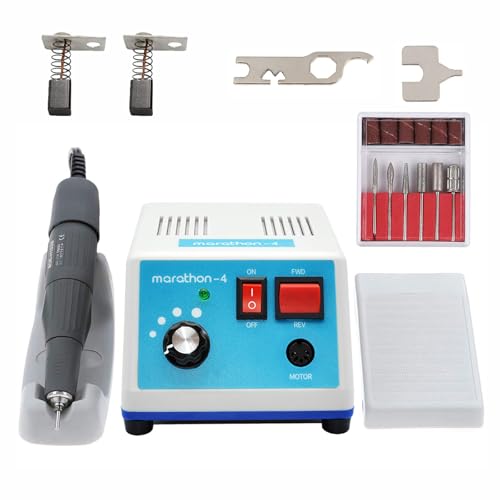
- 0-35,000 RPM stepless speed control
- Hands-free foot pedal operation
- Quiet, low-heat performance for long sessions
Best For: Jewelers and detail crafters who want precise polishing control with a foot pedal.
Best Full-Size Cabbing Setup

- Six 6-inch wheels for full polishing progression
- Built-in water system and LED lamp included
- Ideal for serious lapidary and jewelry work
Best For: Lapidary hobbyists and jewelry makers who want a full-size cabbing machine instead of a compact detail polisher.
Best with Foot Control
Marathon-III Micromotor Jewelry Polisher

- Foot ON/OFF switch for hands-free control
- 0 to 35,000 rpm non-stage speed range
- Works for jewelry, engraving, sanding, and carving
Best For: Jewelers and hobbyists who want precise foot-controlled speed for bench work.
Best for High-Speed Detail Work
35K RPM Micromotor Polisher for Jewelry & Crafts
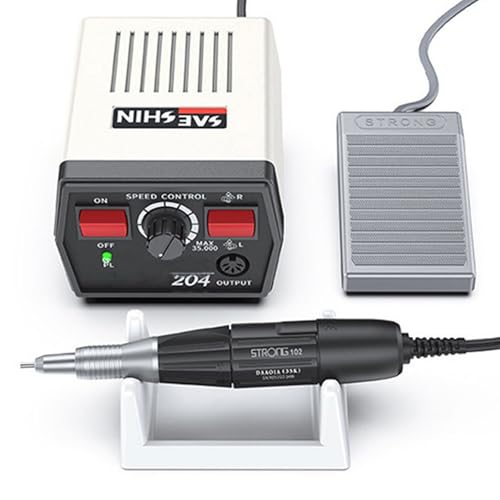
- 35,000 RPM output for quick, precise finishing
- Micromotor handle offers better control on detail jobs
- Useful on jewelry, ceramics, glass, silicone, and wood
Best For: Jewelers and hobbyists who want a versatile micromotor polisher for detail-focused work.
Best for High-Speed Precision
35K RPM H37L1 Micromotor Handle

- 35,000 RPM max speed for fast polishing and carving
- Low-vibration, precision-lock handle improves control
- Runs cooler during longer sessions with better ventilation
Best For: Jewelers and makers who need a stable, high-speed micromotor handle for detailed finishing work.
Best for Comfort
35K RPM Micromotor Polisher for Jewelry

- 0 to 35,000 RPM for precise polishing and engraving
- Low vibration and low noise for steadier bench work
- Quick lock-ring bit changes for faster task switching
Best For: Jewelers and makers who need a fast, stable micromotor for detailed finishing work.
Best for High-Speed Work
35K RPM Micromotor Polisher A-90

- Up to 35,000 RPM for fine polishing and carving
- Foot pedal keeps operation simple and hands-free
- Works with jewelry, ceramics, glasswork, and wood
Best For: Jewelers and hobbyists who need a fast, compact micromotor for detailed finishing work.
Best for Foot-Control Precision – Marathon-4 Micromotor with H37L1 Handpiece
If you need a jewelry micromotor polisher that balances fine control with hands-free operation, this Marathon-4 setup is a practical fit. The stepless speed range, low-noise motor, and included foot pedal make it easier to keep a steady rhythm during polishing, carving, and detail finishing.
Best For: Jewelers, hobbyists, and makers who want precise variable-speed control for polishing and detailed bench work.
Pros:
- 0-35,000 RPM stepless speed control for precise polishing and engraving
- Foot pedal allows hands-free speed control while working
- Quiet operation with minimal heat buildup during longer sessions
- Compatible with 2.35mm accessories for broad workshop use
Cons:
- May be more machine than casual users need for light, occasional tasks
- Accessory compatibility is limited to 2.35mm shank tools
- Not the smallest or simplest option for ultra-portable use
This is a strong pick if you want a jewelry micromotor polisher that prioritizes control and comfort over simplicity. The foot pedal and smooth speed tuning help make detailed finishing work feel more exact and less fatiguing.
Best Full-Size Cabbing Setup – CabKing 6V3 Cabbing Machine
If you want a workshop-ready jewelry micromotor polisher alternative that handles more than light touch-up work, the CabKing 6V3 is built for full cabbing and gemstone shaping. Its six 6-inch wheels, direct-drive motor, LED lamp, and water system make it a practical pick for users who need a complete polishing station rather than a compact handheld tool.
Best For: Lapidary hobbyists, jewelry makers, and small studios that need a complete 6-inch cabbing machine for grinding, shaping, and polishing stones.
Pros:
- Six 6-inch diamond wheels give you a full progression for lapidary and jewelry work.
- Integrated water system helps with cooling, lubrication, and cleaner operation.
- Includes useful accessories like an LED lamp, splash guards, goggles, and apron.
- Direct-drive 1/4 hp motor is made for steady, hands-on polishing tasks.
Cons:
- 115V only, so it is not suitable for 220V countries without proper power compatibility.
- Much larger and heavier than a jewelry micromotor polisher, so it needs dedicated space.
- More machine than most casual users need for quick bench-top touch-ups.
For buyers comparing a jewelry micromotor polisher to a true cabbing setup, this CabKing stands out as the more capable option when you need size, stability, and a complete workflow. It is a stronger fit for serious stone and jewelry finishing than for ultra-portable detail work.
Best with Foot Control – Marathon-III Micromotor Jewelry Polisher
If you want a jewelry micromotor polisher that gives you smooth speed control and all-day practicality, the Marathon-III is built for versatile bench work. It uses a non-stage speed system that runs from 0 to 35,000 rpm, making it a strong fit for polishing, carving, sanding, and other fine-detail tasks across jewelry and hobby applications.
Best For: Jewelers, engraving hobbyists, nail techs, and small workshop users who want foot-controlled speed adjustment for precise, repeatable work.
Pros:
- Foot ON/OFF switch helps keep hands free for detailed work
- Wide 0 to 35,000 rpm range supports polishing, carving, and sanding
- Useful for jewelry, nail, engraving, wood carving, and more
- AC-powered design is suited to steady bench use
Cons:
- Not a cordless option, so it needs a powered workspace
- More of a general-purpose micromotor than a dedicated polishing system
- May be more machine than casual users need for occasional tasks
Overall, the Marathon-III is a practical jewelry micromotor polisher for buyers who value control, versatility, and long-run performance over compact portability. Its foot switch and broad speed range make it especially appealing for precision work that needs consistent handling.
Best for High-Speed Detail Work – 35K RPM Micromotor Polisher for Jewelry & Crafts
If you need a jewelry micromotor polisher for fine finishing, light carving, and precision polishing across metal, glass, ceramics, silicone, or wood, this 35K RPM unit is built for versatile bench work. The micromotor handle format gives you better control than a bulky rotary tool, making it a practical choice for detailed shop tasks and small-scale jewelry repair.
Best For: Jewelers, hobbyists, and craft users who want a versatile micromotor polisher for detailed polishing and carving.
Pros:
- Up to 35,000 RPM for fast polishing and light material removal
- Micromotor handle improves control for detail-oriented work
- Works across multiple materials, including jewelry, glass, ceramics, and wood
Cons:
- Not ideal if you need heavy-duty grinding or industrial output
- May be more tool than casual users need for occasional touch-ups
Overall, this jewelry micromotor polisher stands out as a flexible all-around option for precision work where control matters more than brute force. It makes the most sense for users who want one compact setup that can handle both polishing and light carving tasks.
Best for Precision Polishing – Marathon Type Polishing Handpiece
If you want a jewelry micromotor polisher that feels sturdy and easy to control, this Marathon Type polishing handpiece is built for precise finishing work. It combines a fast 0–35,000 RPM range with a compact, lightweight body, making it a practical choice for detailed grinding and polishing tasks.
Best For: Jewelers, dental-style bench work, and hobbyists who need a durable handpiece for controlled polishing and quick bit changes.
Pros:
- Stainless steel and plastic construction helps improve durability and corrosion resistance.
- 0–35,000 RPM speed range supports detailed polishing and grinding.
- Locking ring design makes head changes quicker and more convenient.
- Lightweight, ergonomic shape helps reduce hand fatigue during longer sessions.
Cons:
- It’s a handpiece only, so you’ll need a compatible micromotor setup.
- Not the best pick if you want a full polishing system in one box.
This is a solid fit if you already own a compatible setup and want a reliable jewelry micromotor polisher handpiece focused on control, comfort, and fast accessory changes. It’s especially appealing for users who value portability and straightforward maintenance over extra features.
Best for High-Speed Precision – 35K RPM H37L1 Micromotor Handle
If you need a jewelry micromotor polisher for detailed grinding, polishing, carving, and engraving, this H37L1 handle is built for smooth, controlled work at up to 35,000 RPM. The low-vibration design and heat-dissipating ventilation make it a practical choice for longer sessions on jewelry, ceramics, glass, wood, and nail work.
Best For: Jewelers, artisans, and hobbyists who want a fast, stable micromotor handle for precision polishing and carving.
Pros:
- Up to 35,000 RPM for efficient grinding and polishing
- Precision lock and low-vibration operation improve control
- Ventilation and low-friction bearings help it run cooler
- Quick bit changes with the locking ring design
Cons:
- Handle only; you still need a compatible motor unit
- 3-pin setup may not match every existing system
- More specialized than a general-purpose rotary tool
For buyers comparing a jewelry micromotor polisher on speed, stability, and all-day usability, this one stands out more for precision work than for versatility alone. It’s a solid fit if you want cleaner finishes and easier control across small, detailed projects.
Best for Comfort – 35K RPM Micromotor Polisher for Jewelry
If you need a jewelry micromotor polisher for detailed grinding, engraving, and finishing, this 35K RPM unit is built for precision work rather than heavy stock removal. The low-vibration brush motor, stable handle design, and quick bit changes make it a practical pick for bench work across jewelry, ceramics, glass, and woodcarving.
Best For: Jewelers and makers who want a fast, steady micromotor for fine polishing and delicate detail work.
Pros:
- 0 to 35,000 RPM range gives you solid control for fine polishing and engraving.
- Low noise and minimal vibration help improve comfort during longer sessions.
- Quick lock-ring bit changes make it easy to switch tasks at the bench.
- Durable build details, including dust protection and reinforced components, support longer use.
Cons:
- Not the best choice if you need a heavy-duty grinder for aggressive material removal.
- May be more tool than a casual hobbyist needs for occasional use.
Overall, this jewelry micromotor polisher stands out for users who prioritize speed, steadiness, and fine-control performance over brute force. It is a strong fit for delicate bench tasks where precision matters most.
Best for High-Speed Work – 35K RPM Micromotor Polisher A-90
If you need a jewelry micromotor polisher for detailed bench work, the A-90 offers a compact setup with up to 35,000 RPM, a 2.35 mm bur size, and a 3/32″ collet for common polishing and carving accessories. It’s geared toward users who want a simple foot-pedal-controlled motor for jewelry, lab tasks, and other light precision finishing jobs.
Best For: Jewelers, hobbyists, and small workshops that want a straightforward polishing motor for fine-detail work.
Pros:
- Up to 35,000 RPM for polishing, engraving, and detail finishing
- Foot pedal system keeps operation simple and hands-free
- Right- and left-hand rotation adds flexibility for different tasks
- Wide use range for jewelry, ceramics, glasswork, and woodcarving
Cons:
- Foot pedal only works as an on/off switch, not true variable speed control
- Designed more for light precision work than heavy-duty shop use
- Standard carbon brush motor is less advanced than some premium options
For buyers comparing a jewelry micromotor polisher, this model stands out for its broad material compatibility and easy, no-frills operation. It’s a practical pick if you want a fast-spinning handpiece for routine polishing and shaping without a complicated control system.
Best Heavy-Duty Pick – 35K RPM Micromotor Polisher
If you need a jewelry micromotor polisher that balances speed, stability, and control, this 35K RPM unit is built for detailed bench work. The adjustable 0-35,000 RPM range, low vibration, and quick bit changes make it a practical choice for polishing, engraving, and other fine finishing tasks.
Best For: Jewelers, hobbyists, and craft users who want a fast, steady micromotor for precision polishing and engraving.
Pros:
- Adjustable up to 35,000 RPM for detailed polishing and fine work
- Low noise and minimal vibration help improve control and comfort
- Quick lock-ring bit changes add convenience during multi-step jobs
- Sturdy handle design supports precision grinding and engraving
Cons:
- Not the best fit if you only need a simple, occasional-use tool
- Heavier setup than compact handheld polishers
- Chuck size and accessory compatibility may require checking before buying
This jewelry micromotor polisher stands out for buyers who care more about smooth operation and speed control than flashy extras. If your work depends on consistent, detailed results, it offers a solid mix of power and precision for bench-top finishing tasks.
Best for Precision Work – N3 Marathon Micromotor Polisher
If you need a jewelry micromotor polisher for detailed finishing, the N3 Marathon stands out for its 0–35,000 RPM control, 2.35mm bur compatibility, and compact setup. It’s built for polishing, carving, grinding, and fine trimming across jewelry, ceramics, glasswork, and other craft applications.
Best For: Jewelers, hobbyists, and craft users who want a versatile micromotor with smooth speed control for precision finishing tasks.
Pros:
- Up to 35,000 RPM with continuous variable speed control
- Accepts standard 2.35mm burs and accessories
- Forward/reverse operation plus foot pedal or manual control
- Designed to reduce heat and noise during extended use
Cons:
- Not a dedicated heavy-duty bench polisher for large surfaces
- May feel more technical than entry-level handheld tools
- Best results depend on using compatible accessories
For buyers comparing a jewelry micromotor polisher, the N3 Marathon is a strong fit when precision matters more than brute force. Its speed range, accessory support, and compact control box make it a practical choice for detailed work in a small workshop or studio.
How We Picked These Jewelry Micromotor Polisher Options
We prioritized practical features that matter at the bench: speed range, handpiece compatibility, steady torque, and comfort during longer sessions. We also looked for models suited to jewelry work and similar detail tasks such as ceramics, glasswork, and light carving.
Because buyers often use a Jewelry Micromotor Polisher for more than one task, we favored flexible setups that can handle polishing and fine finishing without feeling overly specialized.
Quick Comparison
Most of the products in this roundup fall into two groups: complete micromotor systems and replacement or accessory handpieces. Complete systems are better if you need an all-in-one solution, while handpieces are best if you are upgrading or replacing an existing setup.
For most jewelry makers, the right choice depends on how much control you need, how often you work, and whether you already own a compatible motor unit.
Key Buying Factors for a Jewelry Micromotor Polisher
Speed Control
Look for stepless or finely adjustable speed control. Jewelry polishing often requires a gentle touch, and the ability to slow down helps reduce heat buildup, chatter, and accidental damage to delicate pieces.
Handpiece Fit and Comfort
The handpiece should feel balanced and easy to hold for extended use. Compatibility matters too, especially if you are shopping for a replacement handpiece rather than a full kit.
Torque and Stability
High RPM is useful, but torque and stability are just as important. A Jewelry Micromotor Polisher should maintain consistent performance under light pressure so you can work smoothly on small surfaces and tight details.
Noise, Vibration, and Workflow
Lower vibration and quieter operation can improve precision and reduce fatigue. Foot pedal control is also valuable if you want faster start-stop workflow and more control over polishing passes.
Material Versatility
Many buyers want one machine for jewelry, resin, ceramics, wood, silicone, and glasswork. If that is your goal, choose a model with enough power and the right accessory support for your most common materials.
Who Should Buy Which Jewelry Micromotor Polisher?
If you are a beginner or hobbyist, a complete micromotor kit is usually the easiest path because it gets you working quickly with fewer compatibility questions. If you already own a compatible unit, a replacement handpiece can be a cost-effective upgrade.
Professional jewelers and makers who switch between tasks may prefer a stronger, more versatile Jewelry Micromotor Polisher with foot pedal control and a comfortable handpiece. If your work is mostly cabbing or larger stone shaping, a dedicated lapidary machine may be the better fit than a compact micromotor setup.
In short, choose the simplest setup that matches your materials, workload, and precision needs.