
Choosing the right wildlife lens for Sony A1 can make the difference between a distant blur and a frame-filling shot with detail to spare. For fast action, long reach, and reliable tracking, lens choice matters as much as camera performance.
Below, we focus on lenses that balance focal length, autofocus speed, stabilization, and real-world usability for birds, mammals, and field work.
Best 9 Wildlife Lens for Sony A1 Picks for 2026
Best Long-Reach Zoom
Sony FE 200-600mm f/5.6-6.3 G OSS
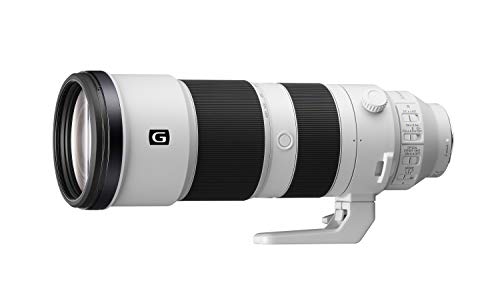
- 200-600mm reach for birds and distant wildlife
- Fast, quiet Direct Drive SSM autofocus
- OSS stabilization helps with handheld shooting
Best For: Wildlife shooters on the Sony A1 who want long reach and zoom flexibility.
Best Reach on a Budget
Tamron 150-500mm f/5-6.7 for Sony

- 500mm reach suits birds and distant wildlife
- VC stabilization supports steadier handheld shooting
- More affordable and compact than big telephoto primes
Best For: Wildlife shooters who want long reach and strong value on the Sony a1.
Best Reach for Wildlife
Sony 200-600mm G OSS Zoom Lens

- Long 200-600mm zoom range for distant subjects
- Sharp optics with ED glass and Nano AR coating
- OSS stabilization and fast DDSSM autofocus
Best For: Sony wildlife shooters who need flexible long reach and dependable tracking.
Best Telephoto Zoom Range
Tamron 50-400mm f/4.5-6.3 for Sony

- 8x zoom range from 50mm to 400mm
- Fast, quiet VXD autofocus for moving wildlife
- VC stabilization and compact design for handheld shooting
Best For: Sony A1 owners who want a flexible, travel-friendly wildlife zoom.
Best APS-C Telephoto Reach
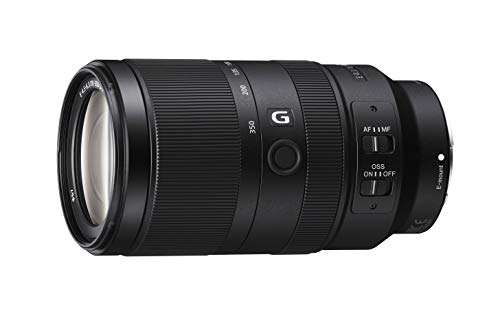
- 105-525mm equivalent reach in APS-C crop mode
- Lightweight 22 oz. design for field use
- Fast, quiet XD linear motor autofocus
Best For: Sony a1 owners shooting wildlife in APS-C crop mode who want a compact long-zoom lens.
Best Value Reach
420-800mm Manual Telephoto Zoom
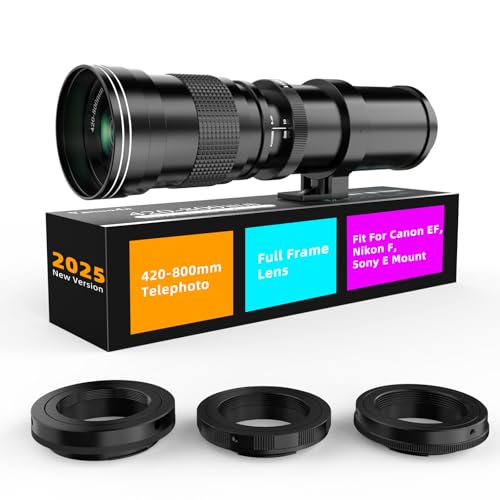
- Long 420-800mm zoom for distant birds and wildlife
- Sony E, Canon EF/EF-S, and Nikon F compatibility
- Great budget reach, but manual focus only
Best For: Budget-conscious Sony A1 shooters who want maximum reach for static wildlife and moon photography.
Best Compact Reach
Sony 70-200mm f/4 Macro G OSS II

- Lightweight 70-200mm telephoto zoom for Sony E-mount
- Built-in stabilization helps handheld wildlife shooting
- 0.5x macro adds extra close-up versatility
Best For: Sony A1 users who want a portable telephoto zoom for wildlife, travel, and mixed shooting.
Best Supertelephoto Reach
Sony FE 400-800mm f/6.3-8 G OSS Bundle
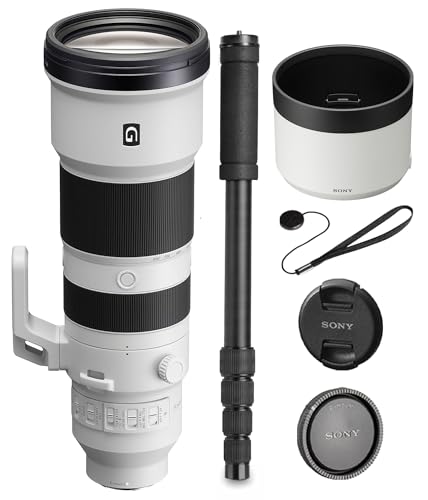
- 400-800mm range for extreme wildlife reach
- Optical SteadyShot and fast dual linear AF
- Bundle includes monopod and cap keeper
Best For: Sony shooters who need maximum reach for wildlife, birding, and distant action.
Best Long-Range Wildlife Reach
Sony FE 200–600mm F5.6–6.3 G OSS
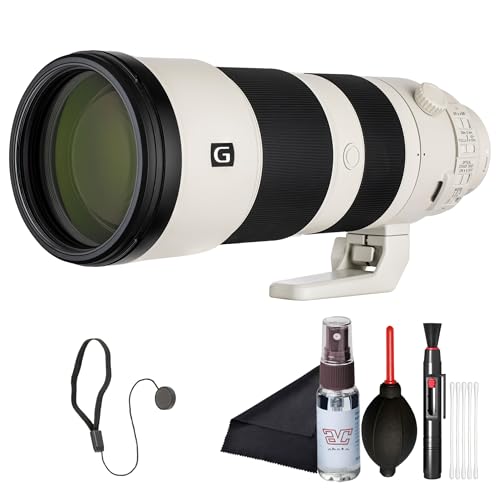
- 200–600mm zoom range for distant wildlife
- OSS stabilization improves handheld sharpness
- Fast, quiet AF helps track moving subjects
Best For: Birders and wildlife shooters who need maximum reach on the Sony a1.
Best Long-Reach Zoom – Sony FE 200-600mm f/5.6-6.3 G OSS
If you want a practical wildlife lens for sony a1 shooting without jumping into ultra-expensive super-telephoto primes, the Sony FE 200-600mm f/5.6-6.3 G OSS is a smart, flexible option. Its reach, fast autofocus, and optical stabilization make it a strong fit for birds, distant animals, and field work where you need reliable framing across changing distances.
Best For: Wildlife photographers who want long reach, quick AF, and a more versatile zoom range for the Sony A1.
Pros:
- 200-600mm range is ideal for distant wildlife and birds
- G lens optics, ED glass, and Nano AR coating help keep images sharp and controlled
- Direct Drive SSM autofocus is fast, quiet, and accurate
- Optical SteadyShot adds helpful support for handheld field shooting
Cons:
- Not as bright as f/4 or f/2.8 super-telephoto options
- Can feel large for all-day travel or tight hiking kits
- Maximum aperture narrows as you zoom in
For many shooters, this is one of the most balanced ways to get serious reach on the Sony A1. If you need a wildlife lens for sony a1 that prioritizes practical zoom flexibility over premium prime-speed, this lens deserves a close look.
Best Reach on a Budget – Tamron 150-500mm f/5-6.7 for Sony
Tamron 150-500mm f/5-6.7 Di III VC VXD Lens for Full Frame Sony Mirrorless Camera
Check Price On AmazonIf you want a practical wildlife lens for sony a1, the Tamron 150-500mm gives you serious telephoto reach without jumping to a huge super-telephoto prime. It’s a strong option for handheld field shooting, with VC stabilization and fast VXD autofocus helping you track birds and animals more confidently.
Best For: Wildlife shooters who want long reach, solid stabilization, and a more affordable full-frame zoom for the Sony a1.
Pros:
- 500mm reach is useful for birds, deer, and other distant subjects
- VC stabilization helps keep handheld shots steadier at long focal lengths
- VXD focusing is quiet and responsive for moving wildlife
- More compact and affordable than many big telephoto alternatives
Cons:
- Variable f/5-6.7 aperture is not ideal for low light or subject isolation
- Autofocus and tracking won’t match top-tier native pro wildlife primes
- At the long end, it can still feel heavy for all-day carry
For Sony a1 owners who want reach first and foremost, this Tamron balances portability, stabilization, and price well. It’s a sensible wildlife lens for sony a1 if you need an ultra-telephoto zoom that can cover a wide range of outdoor situations.
Best Reach for Wildlife – Sony 200-600mm G OSS Zoom Lens
If you want a versatile wildlife lens for sony a1 shooting, this 200-600mm zoom gives you serious reach, strong sharpness across the frame, and reliable autofocus for birds, animals, and distant action. It’s a practical choice when you need one lens that can cover close subjects and far-off details without swapping glass.
Best For: Sony shooters who want long zoom range, dependable AF, and stabilized handheld wildlife performance.
Pros:
- 200-600mm range is ideal for framing distant wildlife without changing lenses
- Sharp optics with ED glass and Nano AR coating help preserve detail and reduce flare
- OSS stabilization and DDSSM autofocus make it easier to shoot handheld and track subjects
- 11-blade aperture produces smooth background blur for cleaner subject separation
Cons:
- f/5.6-6.3 aperture is not as bright as premium telephoto primes
- Size and weight can be demanding for all-day carry
- Teleconverters extend reach but may reduce speed and light
For many photographers, this is one of the most practical wildlife lens for sony a1 options because it balances reach, sharpness, and usability better than many longer or more expensive setups. If you need a flexible telephoto zoom for fieldwork, it’s a very capable pick.
Best Telephoto Zoom Range – Tamron 50-400mm f/4.5-6.3 for Sony
Tamron 50-400mm f/4.5-6.3 Di III VC VXD Lens for Sony Full Frame Mirrorless Cameras
Check Price On AmazonIf you want a versatile wildlife lens for sony a1 without carrying a huge super-telephoto, the Tamron 50-400mm gives you a practical 8x zoom range for everything from environmental shots to tighter animal portraits. It’s a strong choice when you need reach, portability, and fast autofocus in one package.
Best For: Sony A1 shooters who want a travel-friendly wildlife zoom with flexible framing and quick AF.
Pros:
- 50-400mm zoom range covers both wider scenes and distant subjects.
- VXD autofocus is fast, precise, and quiet for moving wildlife.
- VC stabilization helps steady handheld shots at longer focal lengths.
- Compact for its class, making it easier to carry into the field.
Cons:
- Variable aperture is not as bright as pro telephoto primes.
- 400mm may feel short for very skittish or distant birds.
For many buyers, this is the sweet spot between reach and portability, especially if you need a wildlife lens for sony a1 that can handle mixed shooting without constant lens swaps. It’s not the most specialized birding tool, but it is one of the most adaptable telephoto zooms in this range.
Best APS-C Telephoto Reach – Sony E 70-350mm G OSS
If you want a lightweight telephoto option that still gives you serious reach, the Sony E 70-350mm f/4.5-6.3 G OSS is a practical wildlife lens for sony a1 shooters using the camera in APS-C crop mode. It combines a 105-525mm equivalent range with strong G lens sharpness, making it a flexible pick for distant birds, deer, and outdoor action when portability matters.
Best For: Sony a1 owners who shoot wildlife in APS-C crop mode and want long reach without carrying a heavy super-telephoto.
Pros:
- 70-350mm zoom range gives excellent 105-525mm equivalent reach in crop mode
- Lightweight 22 oz. build is easy to carry on long field sessions
- XD linear motor offers fast, quiet autofocus for moving subjects
- Optical SteadyShot helps stabilize handheld wildlife shots
Cons:
- APS-C lens, so it does not use the a1’s full-frame sensor area
- Variable f/4.5-6.3 aperture is not ideal for low light
- Not as much reach or subject isolation as larger pro wildlife zooms
For photographers prioritizing mobility over maximum full-frame coverage, this lens makes a lot of sense as a wildlife lens for sony a1 use in crop mode. It is especially attractive if you want a compact, affordable way to get closer to small or skittish subjects.
Best Value Reach – 420-800mm Manual Telephoto Zoom
If you want a long-reach wildlife lens for sony a1 without spending big on autofocus glass, this 420-800mm manual zoom is a straightforward budget option. It gives you serious distance for birds, moon shots, and far-off animals, but it works best when you’re comfortable focusing manually and shooting in bright light.
Best For: Hobbyists and budget-minded shooters who want maximum reach for birds, moon, and distant wildlife, and don’t mind a fully manual setup.
Pros:
- 420-800mm zoom range is useful for distant wildlife and birds
- Works with Sony E mount plus Canon EF/EF-S and Nikon F via adapters
- Full-frame design also suits APS-C bodies for extra effective reach
- Compact manual design keeps the price far below many autofocus super-telephotos
Cons:
- No autofocus, so tracking moving wildlife is harder
- Variable f/8.3-16 aperture needs good light or a tripod
- Manual-only operation means a learning curve for Sony A1 users
This is a practical wildlife lens for sony a1 if your priority is long focal length over speed, stabilization, or automation. It’s a better fit for patient, static subjects than fast action, but the reach can be very appealing for the price.
Best Compact Reach – Sony 70-200mm f/4 Macro G OSS II
If you want a versatile wildlife lens for sony a1 that stays relatively light, this 70-200mm f/4 option is a practical choice for hikes, travel, and general field work. It gives you useful telephoto reach, built-in stabilization, and a macro-capable design that adds extra flexibility when your subject isn’t far away.
Best For: Sony A1 shooters who want a portable telephoto zoom for wildlife, travel, and occasional close-up detail work.
Pros:
- Compact 70-200mm design is easier to carry than many wildlife zooms
- Optical SteadyShot helps keep handheld shots sharper at longer focal lengths
- 0.5x macro capability adds extra versatility beyond standard wildlife use
- Dust- and moisture-resistant build suits outdoor shooting
Cons:
- f/4 aperture is less ideal than faster lenses in very low light
- 200mm reach may feel short for distant birds or shy wildlife
- Bundle extras are useful, but the main appeal is still the lens itself
For photographers prioritizing portability over maximum reach, this is a balanced wildlife lens for sony a1 use, especially if you also shoot events, portraits, or close details on the same trip. It won’t replace a longer telephoto for far-off subjects, but it delivers strong all-around value in a compact package.
Best Supertelephoto Reach – Sony FE 400-800mm f/6.3-8 G OSS Bundle
If you want a wildlife lens for sony a1 that prioritizes reach above all else, this Sony 400-800mm bundle is built for distant subjects, birds, and field sports. It gives you a very flexible super-telephoto zoom range, plus stabilization and fast autofocus tools that help keep demanding action in focus.
Best For: Sony shooters who need maximum reach for wildlife, birding, and other far-away subjects, and want the added convenience of a monopod bundle.
Pros:
- 400-800mm zoom range is excellent for distant wildlife framing
- Optical SteadyShot and dual linear motors help with handheld tracking and AF speed
- Compatible with 1.4x and 2x teleconverters for even more reach
- Bundle includes a monopod and lens cap keeper for field use
Cons:
- f/6.3-8 aperture is not ideal for low-light shooting
- Large super-telephoto design is less portable than shorter wildlife zooms
- At the long end, steady support becomes especially important
For buyers shopping a wildlife lens for sony a1, this is a strong choice when distance matters more than speed, especially if you regularly photograph skittish animals or birds from far away. The bundle adds practical field gear, but the lens itself is the real reason to consider it.
Best Long-Range Wildlife Reach – Sony FE 200–600mm F5.6–6.3 G OSS
If you want a wildlife lens for sony a1 that prioritizes reach, stabilization, and reliable autofocus, the Sony FE 200–600mm G OSS is an easy lens to recommend. It gives you the kind of focal length flexibility that works well for birds, safari scenes, and distant animals without needing to swap lenses in the field.
Best For: Birders, wildlife shooters, and travel photographers who need long reach and steady handheld performance on the Sony a1.
Pros:
- 200–600mm zoom range is ideal for framing distant wildlife
- OSS stabilization helps reduce shake at long focal lengths
- Fast, quiet autofocus supports tracking moving subjects
- Internal zoom keeps balance consistent while shooting
Cons:
- Large and heavy compared with shorter telephoto options
- Variable aperture is not as bright as premium prime lenses
- Not the best choice if you need a compact carry setup
For Sony a1 owners who care more about reach and tracking than maximum aperture, this is a highly practical wildlife lens for sony a1. It delivers the flexibility and field-ready handling that make long-distance shooting much easier.
How We Picked the Best Wildlife Lens for Sony A1
We prioritized lenses that suit the Sony A1’s high-resolution full-frame sensor and fast burst shooting. That means strong subject tracking, useful focal length for distant subjects, dependable optical stabilization, and enough sharpness to hold detail when you crop. We also considered weight, handling, and whether the lens is practical for handheld field use or better suited to tripod-supported sessions.
Quick Comparison
For most buyers, the main tradeoff is reach versus portability. The longer 400mm to 800mm class lenses are best when subjects stay far away, while 70mm to 200mm or 400mm zooms are more versatile for larger animals, closer encounters, and travel. Zoom flexibility is especially valuable on the Sony A1 because the camera can extract a lot from a good file, but only if the lens delivers clean detail.
Key Buying Factors for Wildlife Lens for Sony A1
Focal Length and Real-World Reach
Birders and shy-subject shooters usually need at least 400mm, and often 500mm to 600mm or more. If you frequently work from hides, cars, or long distances, prioritize reach over versatility.
Autofocus Performance
The Sony A1 can track extremely fast movement, so pair it with a lens that has responsive AF motors and confident subject acquisition. This matters most for birds in flight, running wildlife, and sudden direction changes.
Stabilization and Handheld Use
Optical stabilization can help with slower shutter speeds and long focal lengths, but it does not replace good technique. If you plan to handhold often, consider lens weight, balance, and how well the stabilization system complements the A1 body.
Aperture and Low-Light Performance
Wildlife often appears at dawn, dusk, or in forest shade. Faster apertures help with autofocus and shutter speed, but many super-telephoto zooms trade aperture speed for longer reach and affordability. Decide which matters more for your shooting style.
Who Should Buy Which Wildlife Lens for Sony A1?
If you want the best all-around Wildlife Lens for Sony A1, a 200-600mm class zoom is the safest starting point for most bird and animal photographers. If you need more portability, a 70-350mm or 50-400mm option can cover lighter fieldwork and travel. If maximum reach is the priority, the 400-800mm and 420-800mm styles are better suited to distant birds, shorebirds, and wide-open habitats. For larger animals or mixed-use shooting, a 70-200mm telephoto can work when subjects come closer, but it is not the first choice for small or far-off wildlife.
In short, choose the lens that matches your typical working distance, not the longest spec on paper. The best wildlife lens is the one you can carry, aim quickly, and use confidently when the subject appears.