
Choosing a wood lathe with stand is really about more than motor power. Stability, bed length, speed control, and workspace footprint all affect how enjoyable and accurate your turning projects will be.
In this roundup, we focus on options that balance performance and value for beginners, hobbyists, and serious woodturners looking for a dependable setup.
Best 10 Wood Lathe with Stand Picks for 2026
Best for Precision Turning
Powermatic 14" x 20" Variable Speed Lathe
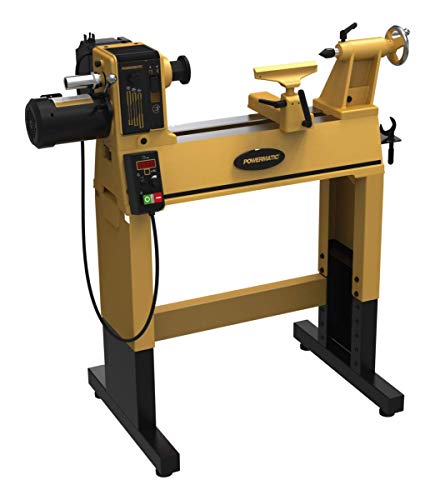
- Cast-iron bed reduces vibration for steadier cuts
- Variable speed and reversible operation improve control
- Includes stand, tool caddy, and digital control box
Best For: Turners who want a stable, feature-rich lathe for detailed work and repeatable results.
Best for Adjustable Fit
WEN LA8800 Adjustable Steel Lathe Stand
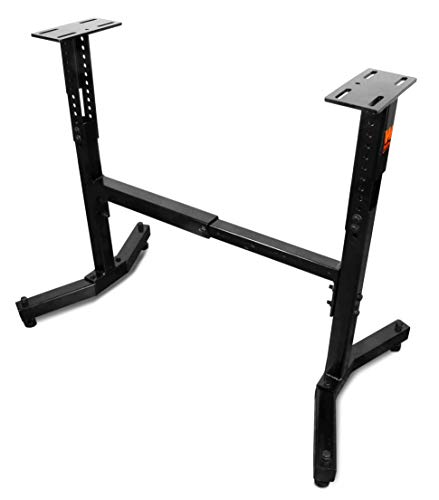
- 225-pound capacity for sturdy lathe support
- Height and length adjust for broader compatibility
- Steel frame built for WEN and other benchtop lathes
Best For: Woodturners who need a stable, adjustable stand for WEN benchtop or compatible small lathes.
Best for Control
JET 12" x 21" Variable-Speed Lathe

- Three optimized speed ranges for different turning tasks
- Smooth forward/reverse and easy belt tension adjustment
- Solid 1 HP motor with indexing and spindle lock
Best For: Turners who want precise speed control and a sturdy mid-size machine for regular use.
Best for Stability
225-Pound Adjustable Steel Wood Lathe Stand

- 225-lb capacity for heavier lathes
- Adjustable height and length for a better fit
- Steel construction with anti-vibration support
Best For: Woodworkers who want a sturdy, adjustable stand for a heavier lathe.
Best Variable-Speed Pick
WEN 34035 14-Inch x 20-Inch Benchtop Wood Lathe
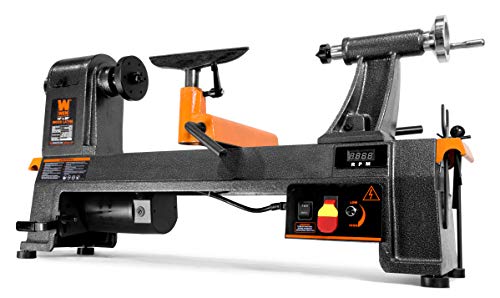
- 250 to 3550 RPM variable-speed control
- Heavy 120+ pound build helps limit wobble
- MT2 tapers and 1"-8 spindle thread boost accessory compatibility
Best For: Hobbyists who want a stable, versatile benchtop lathe for spindle work and small bowls.
Best for Serious Turning
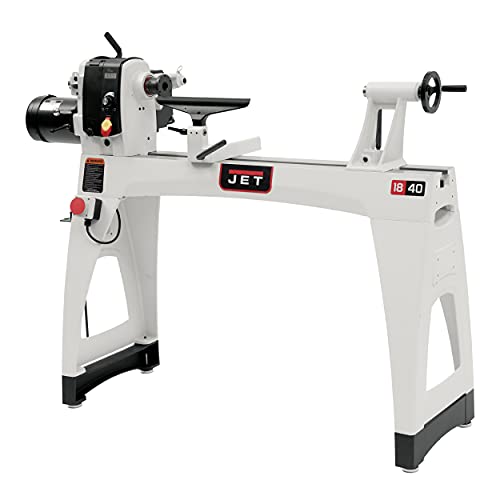
- 2 HP motor with 40 to 3200 RPM variable speed
- Reversible turning and spindle lock for added control
- Heavy-duty cast iron and steel build with stand components
Best For: Experienced woodturners who need a powerful, stable lathe for larger projects.
Best for Variable Speed Control
12" x 18" Digital Display Wood Lathe

- Infinitely variable 650-3800 RPM speed range
- 3/4HP motor with 12" swing and 18" between centers
- Digital display helps fine-tune turning speed
Best For: Hobbyists and woodturners who want precise speed control in a compact benchtop lathe.
Best for Adjustable Speed Control
VEVOR Benchtop Wood Lathe 10 in x 18 in

- Five variable speeds for different turning tasks
- Stable aluminum alloy base with steel headstock
- 370W motor and included accessories add value
Best For: Woodworkers who want a compact lathe with solid stability and flexible speed settings.
Best Heavy-Duty Pick

- Infinitely variable 650-3800 RPM speed control
- 12" swing and 18" between centers
- Digital RPM display plus included safety goggle and spare belt
Best For: Woodworkers who want a stable, easy-to-adjust benchtop lathe for everyday turning projects.
Best for Beginners
VEVOR 1 HP 12 x 18 in Wood Lathe

- 1 HP brushless motor for smooth, low-noise power
- 150 to 3800 RPM variable speed for better control
- Cast iron body helps reduce vibration and improves stability
Best For: Beginners and DIY woodworkers who want a stable benchtop lathe for small turning projects.
Best for Precision Turning – Powermatic 14" x 20" Variable Speed Lathe
If you want a wood lathe with stand that feels built for accuracy and long-term use, the Powermatic PM2014 is a strong fit. Its cast-iron bed, variable speed control, and repositionable digital control box make it easier to dial in cleaner cuts and consistent results.
Best For: Turners who want a stable, feature-rich 14-inch lathe with a stand for furniture parts, bowls, and detailed spindle work.
Pros:
- Cast-iron bed helps reduce vibration for smoother turning
- Reversible, variable-speed operation adds control across different projects
- Magnetic digital control box is easy to reposition and read
- Included stand and tool caddy add convenience right out of the box
Cons:
- Heavy 238-pound build is not easy to move around
- Higher price point than entry-level lathes
- 14″ x 20″ capacity may be limiting for very large workpieces
This wood lathe with stand stands out for users who value stability, smooth adjustment, and thoughtful design details over bare-bones simplicity. It is especially appealing if you want a serious shop lathe that should hold up well over years of regular turning.
Best for Adjustable Fit – WEN LA8800 Adjustable Steel Lathe Stand
If you need a wood lathe with stand that can adapt to different machine sizes, the WEN LA8800 is a practical choice. Its steel frame supports up to 225 pounds, while the height and length adjustments make it easier to dial in a stable setup for a range of benchtop and mini lathes.
Best For: Woodturners who want a sturdy, adjustable stand for WEN benchtop lathes or other compatible small-to-mid-size models.
Pros:
- 225-pound load capacity handles many benchtop lathes with confidence
- Height and length adjust to improve compatibility and working comfort
- Steel construction feels solid and workshop-ready
- Designed to fit the WEN Benchtop Wood Lathe series
Cons:
- Stand only; lathe is sold separately
- May require checking mounting slot fit for non-WEN lathes
- Not the best pick if you need a fully integrated workstation
For shoppers comparing a wood lathe with stand, the LA8800 stands out for its flexible sizing and strong weight rating rather than flashy extras. It’s a straightforward upgrade for anyone who wants a stable, adjustable base without overcomplicating the setup.
Best for Control – JET 12" x 21" Variable-Speed Lathe
If you want a wood lathe with stand-style footprint and a more refined turning experience, the JET JWL-1221VS is built around control. Its variable-speed range, smooth forward/reverse changes, and sturdy 1 HP motor make it a strong fit for woodturners who want precision for bowls, spindles, and general shop work.
Best For: Turners who value speed control, smooth operation, and a solid mid-size lathe for frequent use.
Pros:
- Three optimized speed ranges help match speed to the project
- Ratchet-style belt tension system makes adjustments easier
- Larger DRO and recessed power switch improve day-to-day usability
- Integrated indexing and spindle lock add convenience for repeat work
Cons:
- No included stand, so buyers may need to plan for a compatible base
- Heavier footprint may be more than occasional hobbyists need
This is a smart pick if you want a wood lathe with stand-like stability and shop-friendly controls in a compact 12" x 21" format. It is especially appealing for turners who care more about precision and usability than bare-bones pricing.
Best for Stability – 225-Pound Adjustable Steel Wood Lathe Stand
If you want a wood lathe with stand that feels solid under load, this WOODSTARTER model is built around stability and adjustability. The steel frame supports up to 225 pounds, while the height and length settings make it easier to dial in a comfortable working position for different projects and users.
Best For: Woodworkers and hobbyists who need a sturdy, adjustable stand for heavier lathes in a shop, garage, or small workspace.
Pros:
- Supports lathes up to 225 lbs for heavier-duty setups
- Adjustable height and length improve ergonomics and fit
- Reinforced crossbars and rubber feet help reduce vibration
- Pre-drilled holes and included hardware make assembly quicker
Cons:
- Lathe stand only; lathe machine is not included
- Requires assembly before first use
- Limited review history compared with established alternatives
This is a practical choice if your priority in a wood lathe with stand is a rigid, configurable base rather than extra bells and whistles. It should appeal most to buyers who value steadiness, fit, and straightforward setup over advanced features.
Best Variable-Speed Pick – WEN 34035 14-Inch x 20-Inch Benchtop Wood Lathe
If you want a wood lathe with stand-style stability in a benchtop format, the WEN 34035 is a strong option for hobbyists and small-shop turners. Its 6-amp motor, wide 250 to 3550 RPM range, and 120+ pound build make it capable of handling everything from spindle work to bowls without feeling flimsy.
Best For: Turners who want a stable, variable-speed wood lathe with solid accessory compatibility for pens, bowls, table legs, and general-purpose projects.
Pros:
- Variable speed from 250 to 3550 RPM gives you flexibility across different turning tasks
- Heavy 120+ pound construction helps reduce walking and wobble during use
- MT2 tapers and 1"-8 spindle thread support a wide range of lathe accessories
- Includes a 4-inch faceplate, 8-inch tool rest, spur center, and live center
Cons:
- Benchtop design means you still need a sturdy work surface or separate stand
- 14 x 20-inch capacity may be limiting for larger turnings
Overall, the WEN 34035 delivers a practical mix of power, stability, and setup flexibility for shoppers seeking a wood lathe with stand-like rigidity at a more compact size. It’s a smart buy if you want dependable performance without moving up to a full-size floor-standing machine.
Best for Serious Turning – JET 18" x 40" EVS Wood Lathe
If you want a wood lathe with stand that feels built for heavy shop use, the JET 18" x 40" EVS is a strong fit. Its 2 HP motor, electronic variable speed range, and reversible turning make it flexible for everything from spindle work to larger bowls, while the included cast iron risers help you set a more comfortable working height.
Best For: Experienced woodturners who want a heavy-duty lathe with stand, high power, and smooth speed control for larger projects.
Pros:
- Infinitely variable speed from 40 to 3200 RPM for precise control
- Reversible turning and spindle lock add convenience for different tasks
- Heavy 418-pound cast iron and steel build feels stable in use
- Included riser blocks and legs provide a true stand setup
Cons:
- 230V power requirement limits where it can be used
- Very heavy machine that is not easy to move once assembled
- Price and capacity are better suited to serious hobbyists or shops
This is a capable wood lathe with stand for buyers who care more about power, stability, and control than portability. If you have the room and electrical setup for it, the JET 1840EVS offers the kind of performance that can support demanding turning work for years.
Best for Variable Speed Control – 12" x 18" Digital Display Wood Lathe
If you want a wood lathe with stand-style stability for turning bowls, pens, vases, and other small-to-medium projects, this 12" x 18" benchtop model is built around control and versatility. The variable speed range, digital RPM display, and 3/4HP motor make it a practical pick for hobbyists who want more precision without stepping up to a full floor-standing machine.
Best For: Woodturners who want adjustable speed, solid power, and a compact machine for everyday projects.
Pros:
- Infinitely variable speed from 650 to 3800 RPM for better control across different turning tasks
- 3/4HP pure-copper motor provides dependable power for sanding, polishing, and shaping
- 12" swing and 18" between centers handle a wide range of common woodturning projects
- Digital RPM display makes it easier to monitor and fine-tune performance
Cons:
- Benchtop design means you’ll need a sturdy work surface or separate stand
- Not the best choice for very large turning blanks or heavy-duty production use
Overall, this is a strong option if you want a wood lathe with stand compatibility in a compact format and value speed control more than sheer size. It hits a good middle ground for beginners and experienced users who need a versatile, space-conscious turner.
Best for Adjustable Speed Control – VEVOR Benchtop Wood Lathe 10 in x 18 in
If you want a wood lathe with stand-style stability in a benchtop footprint, this VEVOR model is built for steady turning and flexible speed control. Its 10-inch swing, 18-inch capacity, and five-speed range make it a practical fit for hobbyists and serious DIY woodworkers who need room for bowls, spindles, and other small projects.
Best For: Woodworkers who want a compact lathe with solid stability, multiple speed options, and useful starter accessories for everyday turning tasks.
Pros:
- Five variable speeds help match the setup to different woods and turning tasks.
- Aluminum alloy base and steel headstock help reduce vibration for more controlled work.
- 370W motor provides enough power for common DIY turning and light production use.
- Included faceplate, centers, wrenches, and foot pads add value right out of the box.
Cons:
- It is a benchtop machine, so you may still need a separate stand or solid work surface.
- Not ideal for large, heavy-duty turning projects.
Overall, this is a sensible pick if you want a wood lathe with stand-like steadiness without moving up to a full floor machine. The speed range and included accessories make it especially appealing for turning beginners and budget-conscious makers who still want dependable control.
Best Heavy-Duty Pick – CXRCY 12" x 18" Wood Lathe
If you want a wood lathe with stand-style stability for small-to-medium turning projects, this CXRCY benchtop model is built around speed control and practical capacity. The 12" swing, 18" between centers, and 3/4 HP motor make it a versatile pick for bowls, pens, spindles, and other beginner-friendly or intermediate woodturning tasks.
Best For: Woodworkers who want an easy-to-adjust lathe with enough capacity for everyday turning projects and a stable cast-iron build.
Pros:
- Infinitely variable speed from 650 to 3800 RPM for better control across different projects
- 18" between centers and 12" swing support a wide range of small-shop turning jobs
- Digital RPM display and easy belt-position access make setup simpler
- Includes a safety goggle, spare belt, LED lamp, and tool organizer
Cons:
- At 88 pounds, it is sturdy but not especially easy to move around
- Benchtop design means you may need a separate stand or solid workbench
- Best suited to lighter-duty woodworking rather than heavy production use
This CXRCY unit makes sense if you want a wood lathe with stand-like steadiness in a compact benchtop format. It prioritizes adjustable speed, useful turning capacity, and beginner-friendly features over shop-heavy power.
Best for Beginners – VEVOR 1 HP 12 x 18 in Wood Lathe
If you want a wood lathe with stand-style stability in a compact benchtop format, this VEVOR model is built to make turning easier for new woodworkers. The 1 HP brushless DC motor, 150 to 3800 RPM variable speed, and cast iron frame give it the control and vibration reduction you want for small bowls, pens, cups, and practice projects.
Best For: Beginners, DIY hobbyists, and classroom users who want a stable, easy-to-run lathe for small to medium turning projects.
Pros:
- 1 HP brushless motor delivers solid power with low-noise operation
- Variable speed from 150 to 3800 RPM makes it easier to match the task
- Cast iron construction helps reduce vibration for more controlled turning
- Includes essential accessories so you can get started right away
Cons:
- Benchtop size is better for smaller workpieces than large furniture parts
- Weighs 62.7 pounds, so it is not especially portable
Overall, this is a practical choice if you’re shopping for a wood lathe with stand-like stability but prefer a compact benchtop machine. It offers a strong mix of power, easy operation, and beginner-friendly control at a level that should suit most starter workshops.
How We Picked the Best Wood Lathe with Stand
We focused on practical features that matter in real workshops: build stability, turning capacity, speed range, motor strength, and whether the setup makes sense for the intended user. For this category, a Wood Lathe with Stand should feel solid under load, offer usable adjustment options, and match the size of the projects you plan to make.
We also considered overall value, including whether the lathe is better suited to bowls, spindle work, or larger faceplate projects, and whether the included or compatible stand improves ergonomics and floor placement.
Quick Comparison
If you want the simplest takeaway, look at three things first: the swing over the bed, the distance between centers, and the speed control system. Smaller benchtop models are usually best for compact shops and light to medium turning, while larger machines with heavier stands are better for stability and bigger workpieces. Variable-speed systems are especially useful because they let you slow down for roughing and increase speed for finishing.
Key Buying Factors for a Wood Lathe with Stand
Stability and Mass
More mass usually means less vibration. A sturdy stand or integrated base helps reduce chatter, which is important for smoother cuts and safer operation. If you work with larger blanks, prioritize a rigid frame and good floor contact over cosmetic features.
Turning Capacity
Check both swing and bed length. Swing determines the maximum diameter you can turn, while distance between centers determines the longest spindle you can fit. Choose based on whether you make table legs, pens, bowls, or mixed projects.
Speed Range and Control
A broad variable speed range is one of the most useful features in a Wood Lathe with Stand. Lower speeds help with roughing and unbalanced stock; higher speeds help with sanding and finishing. Digital readouts are convenient, but smooth, predictable adjustment matters most.
Motor Power and Duty
Match the motor to your workload. Lighter-duty benchtop lathes can handle many hobby projects, while more powerful machines are better for larger diameter turning and longer sessions. Also consider whether your shop has the right voltage for the machine.
Who Should Buy Which Wood Lathe with Stand?
Beginners and casual hobbyists usually do best with a compact benchtop model or a lighter stand setup that fits a small workshop. Intermediate turners should look for a machine with stronger construction, better speed control, and enough capacity to grow into. Serious woodworkers and frequent users should prioritize heavier-duty machines with greater power, larger swing, and the most stable base available.
In short, the best choice depends on your space, your project size, and how often you turn. If you match those three factors first, it becomes much easier to choose the right Wood Lathe with Stand for long-term use.