
Finding the right professional telephoto camera lenses means balancing reach, autofocus, stabilization, brightness, compatibility, and price. The best choice depends as much on your camera system and shooting conditions as on the lens’s maximum focal length.
This roundup compares 10 options for Canon and Sony users, including modern stabilized mirrorless zooms, affordable DSLR lenses, renewed models, and manual-focus super-telephoto designs.
Best 10 Professional Telephoto Camera Lenses Picks for 2026
Best Compact RF Zoom
Canon RF100-400mm F5.6-8 IS USM

- 100-400mm range in a lightweight body
- Up to 5.5 stops of optical stabilization
- Quiet Nano USM autofocus
Best For: Portable Canon EOS R telephoto shooting
Best APS-C Super-Telephoto
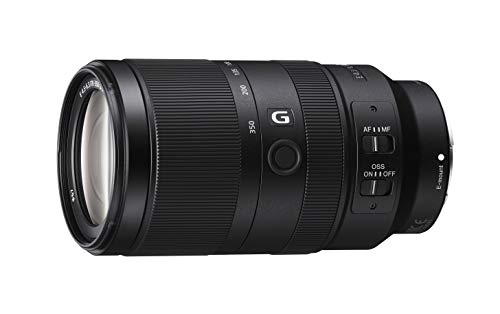
- 105-525mm full-frame equivalent reach
- Lightweight 22-ounce construction
- Optical SteadyShot and quiet XD AF
Best For: Sony APS-C wildlife and sports photography
Best Long-Reach Wildlife Zoom

- Extensive 200-800mm focal range
- Supports Canon RF1.4x and RF2x extenders
- Optical stabilization for distant subjects
Best For: Canon RF wildlife and outdoor sports photography
Best Budget RF Telephoto

- Affordable 75-300mm telephoto range
- Approximately 120-480mm on APS-C
- Lightweight 1.1-pound design
Best For: Entry-level Canon RF sports and wildlife photography
Maximum Reach Pick
JINTU 420-1600mm Manual Telephoto Zoom

- Reaches 1600mm with the included 2X converter
- Supports Canon EF/EF-S and Nikon F SLR mounts
- Manual focus with no image stabilization
Best For: Moon, wildlife, birds, and other distant subjects
Classic Canon Choice

- Autofocus telephoto zoom for Canon EF SLR cameras
- Provides a versatile 75-300mm focal-length range
- Compact design with smooth-zooming mechanism
Best For: General telephoto shooting with Canon SLR bodies
Manual Precision Pick

- 500mm lens extends to 1000mm with a 2X converter
- Manual focus and aperture for direct control
- Multi-coated low-dispersion optical glass
Best For: Deliberate wildlife, landscape, and celestial photography
Affordable Canon Reach

- 75-300mm 4:1 telephoto zoom
- Autofocus motor and Canon EF mount
- Compact renewed option with 58mm filters
Best For: Budget-conscious Canon SLR photographers
Portable Super-Telephoto

- 420-800mm manual zoom range
- Metal body weighing about 1.8 pounds
- No autofocus or image stabilization
Best For: Tripod-assisted Canon DSLR telephoto photography
Best Compact RF Zoom – Canon RF100-400mm F5.6-8 IS USM
For photographers building a kit of professional telephoto camera lenses, the Canon RF100-400mm offers a practical balance of reach, portability, and stabilization. Its 100-400mm range suits wildlife, outdoor sports, and distant subjects, while Nano USM autofocus supports smooth, quiet focusing.
Best For: Canon EOS R users who want a lightweight, versatile telephoto zoom for handheld shooting.
Pros:
- Versatile 100-400mm zoom range in a compact, lightweight design
- Optical stabilization provides up to 5.5 stops of shake correction
- Up to 6 stops with compatible EOS R cameras featuring IBIS
- Fast, smooth, and quiet Nano USM autofocus
Cons:
- F5.6-8 maximum aperture is relatively slow
- Compatible with Canon RF-mount cameras rather than other systems
- Not water resistant
This is a strong everyday telephoto choice when mobility matters more than a bright aperture. Its stabilization and useful close-focusing capability add flexibility for handheld photography.
Best APS-C Super-Telephoto – Sony E 70-350mm G OSS
The Sony E 70-350mm G OSS is a capable option among professional telephoto camera lenses for Sony APS-C users. It combines a 5x zoom with a lightweight design, optical stabilization, and a fast, quiet XD linear motor for subjects such as wildlife, sports, and travel scenes.
Best For: Sony APS-C photographers who need substantial reach without carrying a heavy super-telephoto lens.
Pros:
- 5x 70-350mm zoom, equivalent to 105-525mm full-frame
- Lightweight 22-ounce design for easier handling
- Optical SteadyShot image stabilization
- XD linear motor supports fast, precise, quiet autofocus and tracking
Cons:
- Designed for Sony APS-C E-mount cameras
- F4.5-6.3 maximum aperture limits low-light flexibility
- Not as wide-ranging as an 800mm super-telephoto zoom
This lens is especially appealing when reach and portability are priorities. Its APS-C field of view extends well into super-telephoto territory while remaining manageable for travel and outdoor use.
Best Long-Reach Wildlife Zoom – Canon RF200-800mm IS USM
For photographers seeking maximum reach from professional telephoto camera lenses, the Canon RF200-800mm F6.3-9 IS USM stands out with its powerful 4x zoom. The 800mm telephoto end is suited to wildlife, nature, and outdoor sports, while optical stabilization and a relatively compact design support mobile shooting.
Best For: Canon RF photographers who need extensive reach for distant wildlife and outdoor subjects.
Pros:
- Powerful 200-800mm zoom range
- Compatible with Canon RF1.4x and RF2x extenders at all focal lengths
- Optical design maintains high image quality through the zoom range
- Compact and lightweight for a super-telephoto lens
Cons:
- F6.3-9 maximum aperture is not ideal for low-light work
- Heavier than the other lenses in this roundup at 4.5 pounds
- Not water resistant
This is the specialist choice for photographers who regularly need extreme focal length. Its broad range reduces lens changes, though the size, weight, and slower aperture should be considered before purchase.
Best Budget RF Telephoto – Canon RF75-300mm F4-5.6
Canon RF75-300mm F4-5.6, Telephoto Zoom Lens, Compatible with EOS R Series Mirrorless Cameras, Black
Check Price On AmazonThe Canon RF75-300mm F4-5.6 is an accessible entry point for photographers comparing professional telephoto camera lenses for Canon mirrorless systems. Its useful zoom range brings distant sports and wildlife subjects closer, while long focal lengths can create background compression and blur.
Best For: Canon RF users who want an affordable, portable telephoto zoom for outdoor photography.
Pros:
- 75-300mm range, or approximately 120-480mm on APS-C bodies
- Portable 1.1-pound design
- Long focal lengths provide compression and background blur
- Servo AF and pupil detection can track subjects at telephoto range
Cons:
- No image stabilization
- F4-5.6 maximum aperture is relatively slow
- Not water resistant
This lens makes telephoto shooting approachable for Canon RF owners who value price and portability. Because it lacks stabilization, faster shutter speeds or a steadier shooting technique may be useful in challenging conditions.
Maximum Reach Pick – JINTU 420-1600mm Manual Telephoto Zoom
For photographers comparing professional telephoto camera lenses, this JINTU model prioritizes extreme reach over automation. Its 420-800mm zoom extends to 1600mm with the included 2X converter, making it suited to distant subjects when manual focusing is acceptable.
Best For: Moon, wildlife, bird, airplane, building, and distant landscape photography with compatible Canon EF/EF-S or Nikon F SLR cameras.
Pros:
- 420-800mm range expands to 1600mm with the included 2X converter.
- Compatible adapters support Canon EF/EF-S and Nikon F mounts.
- Includes a lens pouch, protective caps, hood, cleaning cloth, and user manual.
- Solid metal construction and multi-coated low-dispersion glass elements.
Cons:
- Manual focus only and requires operation in Mode M.
- No image stabilization or electronic contacts; the camera may display F00.
- Its F8.3-16 aperture can limit light-gathering capability.
This is a specialized long-range option for experienced users who want maximum focal-length reach at a relatively accessible feature level. Its lack of autofocus and stabilization makes it less practical for fast-moving subjects or handheld shooting.
Classic Canon Choice – Canon EF 75-300mm f/4-5.6 III
Among professional telephoto camera lenses, the Canon EF 75-300mm f/4-5.6 III offers a straightforward autofocus zoom for Canon EF-mount SLR cameras. Its conventional range is useful for bringing moderately distant subjects closer without the complexity of a manual super-telephoto lens.
Best For: Canon SLR users who want an autofocus telephoto zoom for general distant-subject photography.
Pros:
- 75-300mm 4x zoom range provides useful telephoto flexibility.
- Autofocus operation simplifies shooting compared with manual-focus alternatives.
- Improved mechanism is designed to make zooming smoother.
- Compact 4.8-inch length and 16.8-ounce listed weight.
Cons:
- No image stabilization.
- Compatible with Canon EF-mount SLR cameras rather than multiple mount systems.
- Maximum aperture is f/4-5.6, becoming narrower at longer focal lengths.
This Canon is the most conventional choice in the group: easy to pair with compatible Canon SLR bodies and simpler to operate than the fully manual alternatives. Choose it when autofocus and a manageable zoom range matter more than extreme magnification.
Manual Precision Pick – Big Mike’s 500mm/1000mm f/8
For buyers seeking professional telephoto camera lenses with a fixed long-reach design, this Big Mike’s lens combines a 500mm focal length with an included 2X teleconverter for 1000mm coverage. It uses manual focus and aperture, giving the photographer direct control over the exposure and focusing process.
Best For: Canon EF-mount DSLR users photographing wildlife, distant landscapes, or celestial subjects with deliberate manual control.
Pros:
- 500mm lens reaches 1000mm with the included 2X teleconverter.
- Multi-coated, low-dispersion optical glass is intended to support clear, sharp images.
- Manual focus and aperture provide direct creative control.
- Durable construction and a black finish are suited to outdoor shooting.
Cons:
- Manual focus only, with no autofocus assistance.
- Fixed 500mm design offers less framing flexibility than a zoom lens.
- f/8 maximum aperture can be restrictive in lower light.
This lens is best viewed as a deliberate, long-distance tool rather than an all-purpose telephoto. Its 500mm/1000mm setup can provide substantial magnification, but photographers should be comfortable focusing manually and composing from a fixed focal length.
Affordable Canon Reach – Canon EF 75-300mm III
Canon EF 75-300mm f/4-5.6 III Telephoto Zoom Lens for Canon SLR Cameras, 6473A003 (Renewed)
Check Price On AmazonFor photographers comparing professional telephoto camera lenses on a budget, the renewed Canon EF 75-300mm f/4-5.6 III offers a practical zoom range for distant subjects. Its Canon EF mount, autofocus motor, and relatively compact design make it a straightforward choice for compatible Canon SLR cameras.
Best For: Canon SLR users who want an affordable, general-purpose telephoto zoom for outdoor subjects and everyday long-range photography.
Pros:
- Useful 75-300mm 4:1 zoom range
- DC autofocus motor for convenient focusing
- Compact 16.8-ounce design with a 4.9-foot minimum focus distance
- Super Spectra coating and a standard 58mm filter thread
Cons:
- Renewed product with a listed 90-day limited warranty
- Not water resistant
- Maximum aperture narrows from f/4 to f/5.6 across the zoom range
This lens is a sensible entry point for Canon EF users who prioritize affordability and autofocus over advanced handling features. Verify camera compatibility and renewed-condition expectations before buying.
Extreme Manual Reach – Big Mike's 420-1600mm Zoom
Among professional telephoto camera lenses, this Big Mike’s setup stands out for its exceptionally long listed reach. The 420-800mm lens pairs with a 2X teleconverter to extend coverage to 1600mm, making it geared toward distant subjects while requiring manual focusing and exposure control.
Best For: Canon EF DSLR users photographing very distant wildlife, landscapes, sports, or celestial subjects who are comfortable with manual operation.
Pros:
- 420-1600mm listed focal-length range with the included 2X teleconverter
- Broad compatibility list covering many Canon EOS and Rebel SLR cameras
- 62mm filter thread and HD coating
- Includes a listed one-year warranty
Cons:
- Manual focus and manual exposure control require more hands-on technique
- Fixed f/8.3 maximum aperture is demanding in lower light
- Not water resistant
The enormous focal-length range is the main attraction, but this is a specialized manual-focus solution rather than a quick, flexible autofocus lens. A stable shooting setup and careful compatibility check are advisable.
Portable Super-Telephoto – JINTU 420-800mm
For buyers seeking professional telephoto camera lenses with maximum reach at a relatively portable size, the JINTU 420-800mm manual zoom offers a metal-body design and multi-layer-coated glass. It is made for Canon SLR cameras, but its manual operation and lack of image stabilization call for deliberate technique.
Best For: Canon DSLR photographers capturing birds, wildlife, sports, or the moon from a distance while using manual focus and a tripod.
Pros:
- 420-800mm super-telephoto zoom range
- Full metal body with a listed weight of about 1.8 pounds
- Multi-layer coating and included Canon adapter
- Two-year warranty listed by the manufacturer
Cons:
- Manual focus only; the camera may display “lens not attach” during use
- No anti-shake or image stabilization function
- f/8.3 maximum aperture can limit low-light flexibility
JINTU’s long reach and solid construction make it appealing for patient, tripod-assisted shooting. It is less suitable for fast-moving subjects or photographers who expect autofocus and built-in stabilization.
How We Picked the Best Professional Telephoto Camera Lenses
We evaluated these lenses by looking at focal-length range, camera compatibility, focusing system, image stabilization, maximum aperture, handling, and intended use. Autofocus and optical stabilization matter most for fast-moving wildlife and sports, while manual-focus lenses can appeal to stationary subjects and photographers working within a tight budget.
We also considered practical ownership factors, including whether a lens is designed for mirrorless or DSLR bodies, whether an adapter may be required, and how usable the lens is in low light. Extremely long focal lengths can sound impressive, but they are not automatically better if they are difficult to focus, support, or keep steady.
Quick Comparison
| Best For | Recommended Type | What to Prioritize |
|---|---|---|
| Wildlife and distant subjects | 200–800mm or longer zoom | Reach, stabilization, tripod support |
| Sports and action | Autofocus telephoto zoom | AF performance, shutter speed, handling |
| Travel and general outdoor use | 100–400mm or 70–350mm zoom | Weight, versatility, stabilization |
| Budget experimentation | Manual-focus super-telephoto | Mount compatibility, support, focusing technique |
Key Buying Factors for Professional Telephoto Camera Lenses
Focal Length and Framing
Shorter telephoto ranges are easier to carry and better suited to portraits, field sports, and nearby wildlife. Longer lenses provide more reach for birds and distant subjects, but they are typically heavier, darker, and more demanding to use. A zoom is often more practical than a fixed focal length because it makes it easier to find and track a subject.
Autofocus and Stabilization
For action, choose a lens with dependable autofocus and, when available, optical image stabilization. Stabilization helps reduce camera shake for handheld shooting, but it does not freeze a moving subject; that requires a sufficiently fast shutter speed. Manual lenses can work well for deliberate shooting, but they are slower for unpredictable movement.
Aperture, Light, and Support
A wider maximum aperture helps in dim conditions and can create faster shutter speeds, while smaller apertures often keep super-telephoto lenses more affordable. At long focal lengths, a monopod or tripod can improve sharpness and comfort. Check whether the lens has a tripod collar or another secure mounting solution.
Compatibility and Mounts
Confirm the exact camera mount before buying. RF lenses are made for Canon EOS R mirrorless cameras, Sony E lenses fit Sony mirrorless bodies, and EF lenses are intended for Canon DSLR cameras, though some can be adapted to mirrorless systems. Third-party manual lenses may use a T-mount or require an adapter, and electronic functions such as autofocus, aperture control, and metadata may not be available.
Who Should Buy Which Professional Telephoto Camera Lenses?
Choose a stabilized mirrorless zoom if you want the best balance of convenience, reach, and handheld usability. A 100–400mm or 70–350mm design is a strong fit for travel, outdoor events, and general wildlife photography. Photographers who regularly shoot very distant birds or wildlife should consider an 800mm-class zoom, provided they are comfortable with its size and slower aperture.
Canon DSLR owners seeking an inexpensive entry point may prefer a 75–300mm autofocus zoom for daylight sports, portraits, or casual wildlife work. Renewed versions can reduce cost, but inspect the seller’s condition description and warranty. Manual 420–1600mm, 420–800mm, or 500mm-class lenses are best for experienced users who accept slower focusing and need maximum reach at minimal cost. They are less suitable for fast action or dim environments.