
A great variable speed wood lathe gives you better control, cleaner cuts, and more confidence as you turn bowls, spindles, and other projects.
Below, we break down 10 strong options for different budgets and workshop needs, from compact benchtop machines to more capable shop lathes.
Best 10 Variable Speed Wood Lathe Picks for 2026
Best for Precision Control
JET 12" x 21" Variable-Speed Lathe

- Three optimized speed ranges for more precise turning
- Large DRO and recessed controls improve usability
- Smooth forward/reverse and 24 indexing positions
Best For: Turners who want precise speed control and a compact, shop-friendly lathe.
Best Mid-Size Pick

- 550W motor with 3/4HP power
- 5 fixed speeds from 680 to 2770 RPM
- Cast iron bed for better stability
Best For: Woodworkers who want a compact 5-speed lathe for everyday turning projects.
Best for Long Stock
WEN 34035 14-Inch x 20-Inch Variable Speed Lathe
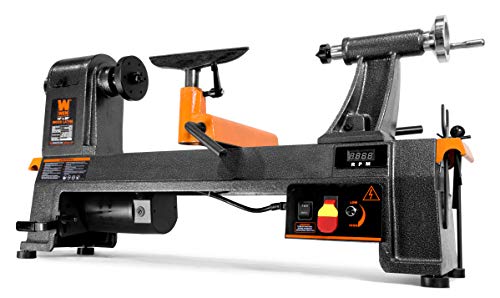
- 20-inch bed length for longer spindle projects
- 250 to 3550 RPM variable speed range
- MT2 tapers and 1"-8 spindle thread boost compatibility
Best For: Woodworkers who need extra length capacity for table legs, spindles, and mixed turning tasks.
Best for Serious Turning Projects
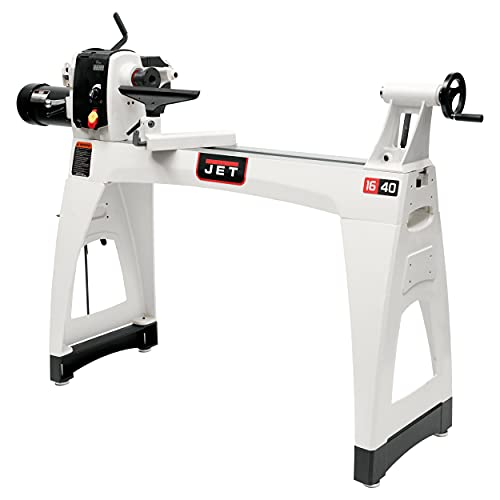
- 40-3200 RPM electronic variable speed
- 1-1/2 HP motor for larger workpieces
- Sliding headstock and 36 indexing positions
Best For: Intermediate to advanced woodturners who want a heavy-duty lathe for bigger projects.
Best for Heavy-Duty Turning
VEVOR 2 HP 18 x 40 in Variable Speed Wood Lathe

- 2 HP brushless motor for strong, low-noise operation
- 18 x 40-inch capacity for larger turning projects
- 150 to 3200 RPM variable speed for roughing and finishing
Best For: Professional shops and advanced users who need a stable, high-power lathe for larger projects.
Best for Beginners
JET 10" x 15" Variable Speed Benchtop Lathe
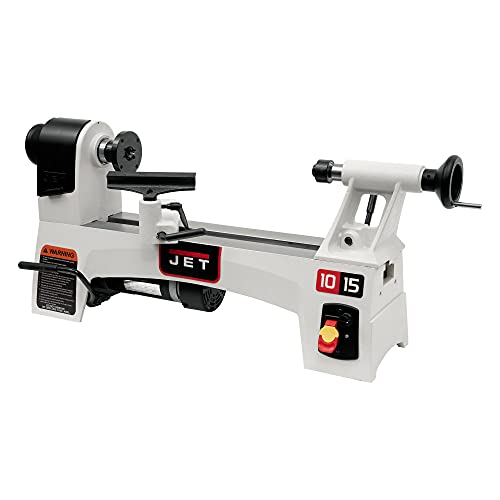
- Three variable speed ranges for better control
- 24-position indexing for repeatable alignment
- Compact 15-1/2" between centers
Best For: Novice woodturners and hobbyists who want a compact, easy-to-use lathe for small projects.
Best for Precision Speed Control
12" x 18" Digital Display Lathe

- Infinitely variable 650-3800 RPM range
- Digital RPM display for easy monitoring
- 3/4HP motor with 12" swing and 18" centers
Best For: Woodturners who want easy speed adjustment, a readable digital display, and a compact benchtop machine.
Best with Extra Features
VEVOR 1 HP Benchtop Wood Lathe

- 1 HP motor with up to 3800 RPM
- 150 to 3800 RPM variable speed control
- Cast iron body helps limit vibration
Best For: Beginners and hobbyists who want a stable, easy-to-use lathe for small turning projects.
Best Heavy-Duty Pick
8x12" Benchtop Variable Speed Wood Lathe
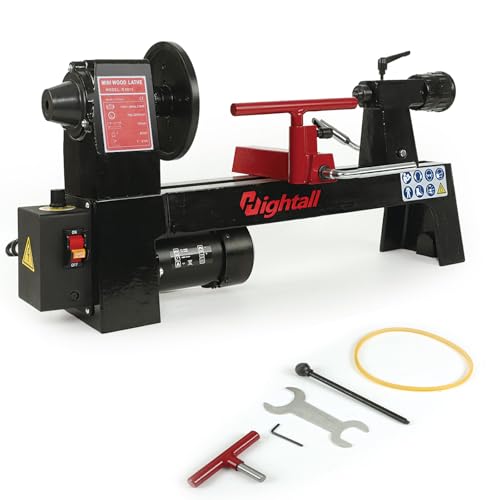
- 750-3200 RPM infinitely variable speed
- Stable cast-iron build with low vibration
- Includes spare belt and extra tool rest
Best For: New woodturners making small bowls, cups, handles, and other starter projects.
Best for Variable Speed Control

- 650-3800 RPM infinitely variable speed range
- 12" swing and 18" between centers
- Digital RPM display plus included goggle and spare belt
Best For: Woodturners who want flexible speed control and a compact benchtop lathe for bowls, pens, and small projects.
Best for Precision Control – JET 12" x 21" Variable-Speed Lathe
If you want a variable speed wood lathe that feels purpose-built for dialing in the cut, the JET JWL-1221VS stands out for its speed range, smooth reversals, and easy-to-read controls. It gives you fine control for bowl turning, spindle work, and detail shaping without feeling overcomplicated.
Best For: Turners who want a compact 1 HP lathe with excellent speed control and user-friendly operation for everyday woodworking projects.
Pros:
- Three optimized speed ranges make it easier to match speed to the project
- Larger DRO and recessed power switch improve day-to-day usability
- Forward-to-reverse transitions are smooth and convenient for sanding and finishing
- Spring-loaded spindle lock and 24 indexing positions add versatility
Cons:
- 110 lb-plus class machine may be heavy for frequent relocation
- Single-phase 115V setup is great for many shops, but not ideal for higher-power needs
Overall, this is a strong variable speed wood lathe for buyers who value control first and foremost. It combines thoughtful ergonomics with enough power and range to handle a broad mix of turning tasks.
Best Mid-Size Pick – 12×18 5-Speed Wood Lathe
If you want a variable speed wood lathe for small-to-medium projects, this 12 x 18-inch benchtop model offers a useful mix of power, control, and stability. The 550W motor, 5 fixed speed settings, and cast iron bed make it a practical choice for spindle work, bowls, and general shop turning.
Best For: Woodworkers who want a compact 5-speed lathe with enough capacity for everyday turning projects.
Pros:
- 550W/3-4HP motor provides solid torque for a range of turning tasks
- 5 speed settings from 680 to 2770 RPM cover both roughing and finishing
- Cast iron bed helps reduce vibration for steadier turning
- MT2 taper and M33x3.5 spindle add accessory compatibility
Cons:
- Speed changes are manual rather than continuously variable
- 12 x 18-inch capacity may be limiting for larger workpieces
- M8 mounting bolts are not included
As a variable speed wood lathe, this machine stands out more for dependable fixed-speed flexibility than advanced electronic control. It makes sense for buyers who value stable construction, straightforward operation, and a size that fits most benchtop shops.
Best for Long Stock – WEN 34035 14-Inch x 20-Inch Variable Speed Lathe
If you want a variable speed wood lathe that can handle larger projects without feeling flimsy, the WEN 34035 is built for the job. Its 14-inch swing and 20-inch capacity make it a practical choice for table legs, bowls, cups, and other shop projects, while the 6-amp motor and wide speed range help you dial in the right pace for different materials.
Best For: Woodworkers who want extra length capacity for spindle turning and occasional bowl work in a benchtop machine.
Pros:
- 20-inch bed length and 14-inch swing suit bigger turning projects
- Variable speed from 250 to 3550 RPM covers roughing and finishing
- MT2 tapers, 1″-8 spindle thread, and included faceplate improve accessory compatibility
- Heavy 120+ pound build helps reduce walking and wobbling
Cons:
- Benchtop design still needs a sturdy work surface
- Not the most compact option for small shops
- May be more lathe than a casual hobbyist needs
Overall, the WEN 34035 stands out as a capable variable speed wood lathe for buyers who want more turning room and solid day-to-day performance. It balances size, speed control, and accessory support well for a versatile shop upgrade.
Best for Serious Turning Projects – JET 16" x 40" EVS Lathe
If you want a variable speed wood lathe that feels built for larger, more demanding turning work, this JET model brings strong power, smooth electronic speed control, and a full-size 16" x 40" footprint. It is designed for woodworkers who want more stability, more control, and features that support precise spindle and bowl work.
Best For: Intermediate to advanced turners who want a heavy-duty lathe for bigger projects and repeatable speed control.
Pros:
- Infinitely variable speed from 40 to 3200 RPM for fine control
- 1-1/2 HP motor handles larger workpieces with confidence
- Sliding headstock, spindle lock, and 36 indexing positions add versatility
- Cast iron and steel construction helps reduce vibration
Cons:
- Heavy 377-pound build makes it difficult to move
- 115V power limits it to standard shop circuits
As a variable speed wood lathe, the JET JWL-1640EVS stands out for turning flexibility and solid shop-ready features rather than portability. It is a strong fit if you want a dependable machine that can grow with your skills and handle more ambitious projects.
Best for Heavy-Duty Turning – VEVOR 2 HP 18 x 40 in Variable Speed Wood Lathe
If you need a variable speed wood lathe that can handle larger, more demanding projects, this VEVOR machine is built for serious shop use. The 2 HP brushless motor, 18 x 40-inch capacity, and 150 to 3200 RPM range make it a practical fit for turning table legs, vases, canes, and other medium-to-large workpieces.
Best For: Professional woodworkers, small businesses, and advanced hobbyists who want a stable, high-power lathe for extended turning sessions.
Pros:
- 2 HP brushless DC motor delivers strong, low-noise performance with no carbon brush maintenance
- Wide 18 x 40-inch working area suits larger projects like furniture parts and tall turnings
- 150 to 3200 RPM variable speed control offers flexibility for roughing and finishing
- Heavy cast-iron-style construction and vertical legs help reduce vibration during use
Cons:
- At 272 pounds, it is not easy to move once installed
- 220V power requirement may limit compatibility in some home workshops
This is a strong option if you want a variable speed wood lathe with shop-grade stability and enough power for frequent use. It leans more toward serious turning work than casual weekend projects, but the included accessory kit helps shorten the setup-to-first-cut process.
Best for Beginners – JET 10" x 15" Variable Speed Benchtop Lathe
If you want a dependable variable speed wood lathe that’s easy to learn on but still capable enough to grow with your skills, the JET JWL-1015VS is a strong fit. Its three speed ranges make it easier to match turning speed to the project, while the compact benchtop design keeps it practical for smaller shops.
Best For: Novice woodturners, hobbyists, and buyers who want a compact, user-friendly lathe for bowls, pens, spindles, and other small projects.
Pros:
- Three variable-speed ranges help you dial in the right RPM for each turning task
- 24-position indexing supports repeatable cuts and precise workpiece alignment
- Wider bed ways add stability for smoother operation on a benchtop machine
- 15-1/2" between centers gives you room for a range of small-to-medium projects
Cons:
- 1/2 HP motor is better suited to light and medium-duty turning than heavy stock removal
- Benchtop size is less ideal for larger projects or production work
Overall, this variable speed wood lathe stands out as a practical first machine with enough features to stay useful as your turning skills improve. It balances control, stability, and convenience without overwhelming new users.
Best for Precision Speed Control – 12" x 18" Digital Display Lathe
If you want a variable speed wood lathe that makes it easier to match spindle work, bowl turning, sanding, and polishing to the job, this 12" x 18" benchtop model is built around control and visibility. The infinitely adjustable 650-3800 RPM range and digital RPM display help you dial in the right setting without guessing, while the 3/4HP motor provides solid power for everyday turning projects.
Best For: Woodturners who want easy speed adjustment, a readable digital display, and a compact benchtop machine for small to medium projects.
Pros:
- Infinitely variable speed from 650 to 3800 RPM for more precise control
- Digital display makes it easier to monitor and repeat settings
- 3/4HP pure-copper motor offers enough power for general turning tasks
- 12" swing and 18" between centers support a versatile project range
Cons:
- Benchtop size may be limiting for larger or heavier workpieces
- Best suited to light-to-moderate duty use rather than high-volume production
- Package includes parts only, so setup may take some time
Overall, this variable speed wood lathe stands out for buyers who value easy speed tuning and clear RPM feedback more than brute size. It’s a practical choice for hobbyists and smaller workshops that want a capable, adaptable machine for turning, sanding, and polishing.
Best with Extra Features – VEVOR 1 HP Benchtop Wood Lathe
If you want a variable speed wood lathe that’s easy to learn on but still has real workshop capability, this VEVOR benchtop model is a strong fit. The 1 HP brushless DC motor, 150 to 3800 RPM range, and cast iron base make it versatile enough for small bowls, pens, cups, and practice projects without feeling flimsy.
Best For: Beginners, hobbyists, and classroom woodworkers who want a stable, straightforward lathe with adjustable speed and a ready-to-use setup.
Pros:
- 1 HP motor and 3800 RPM top speed give it enough power for common turning tasks
- Variable speed control from 150 to 3800 RPM is convenient and beginner-friendly
- Cast iron construction helps reduce vibration for more stable turning
- Includes essential accessories so you can get started sooner
Cons:
- 12 x 18-inch capacity is better for small to medium projects than larger work
- At 62.7 pounds, it is solid but not especially portable
Overall, this variable speed wood lathe stands out as a practical first machine for new turners who want smooth speed control, dependable stability, and enough power to grow with their skills. It is not a full-size production lathe, but for learning and everyday hobby work, it covers the essentials well.
Best Heavy-Duty Pick – 8×12" Benchtop Variable Speed Wood Lathe
If you want a variable speed wood lathe that is approachable for first-time turners but still useful for small projects, this 8×12-inch benchtop model is a practical place to start. The 1/3 HP motor and 750-3200 RPM adjustable range give you enough control for learning different cuts and working through roughing, shaping, and finishing stages.
Best For: Beginners and hobbyists who want a compact lathe for bowls, cups, handles, and other small woodturning projects.
Pros:
- Infinitely variable speed helps you match RPM to the wood and task
- Stable cast-iron build and low vibration support more accurate turning
- 360° rotating forged tool rest makes angle adjustments easier
- Includes a spare belt and extra tool rest for added convenience
Cons:
- 8×12-inch capacity is best for small projects, not larger turnings
- 1/3 HP output may feel limited on tougher or oversized stock
- At 45.4 pounds, it is sturdy but not ultra-light for moving around
This variable speed wood lathe stands out more for beginner-friendly control and compact versatility than for heavy-duty production work. If your goal is to learn woodturning at home and make smaller pieces with confidence, it offers a sensible mix of features and support.
Best for Variable Speed Control – CXRCY 12" x 18" Wood Lathe
If you want a variable speed wood lathe that gives you fine control for everything from rough shaping to finish cuts, this CXRCY benchtop model is worth a look. Its 650-3800 RPM range, digital speed display, and 12″ x 18″ capacity make it a practical fit for small-shop woodturning.
Best For: Woodturners who want easy speed adjustment, a compact benchtop footprint, and enough capacity for bowls, pens, and other small-to-mid projects.
Pros:
- Infinitely variable 650-3800 RPM control for dialing in the right turning speed
- 12″ swing and 18″ between centers handle a versatile range of projects
- Digital RPM display and belt-access cover make adjustments more convenient
- Includes a goggle, spare drive belt, and built-in work light for added value
Cons:
- At 88 pounds, it is not the easiest lathe to move around
- 550W/3/4 HP power is solid for hobby use, but not a heavy-duty production setup
- Requires belt changes for speed ranges, so it is less seamless than true electronic speed control
This CXRCY model stands out as a variable speed wood lathe for hobbyists who want flexible control without jumping to a larger floor-standing machine. If your priority is manageable size, decent capacity, and straightforward speed adjustment, it offers a compelling mix of features for the price range.
How We Picked These Variable Speed Wood Lathes
We focused on the features that matter most for real-world turning: speed range, motor power, capacity, bed length, build quality, and usability. We also weighed whether each machine is a better fit for detail work, small projects, or larger turning jobs.
Because a Variable Speed Wood Lathe should make setup and speed changes easy, we gave extra consideration to controls, stability, and the type of motor used. Brushless and EVS-style systems can offer smoother operation, while heavier cast-iron builds often improve vibration control.
Quick Comparison: What Stands Out
The lineup spans entry-level benchtop lathes, midrange all-purpose models, and larger machines for more demanding work. Smaller lathes are usually easier to place in a home shop and are better for pens, small bowls, and spindle projects. Larger models typically offer more swing, longer beds, and more torque for bigger blanks and advanced turning.
If you want the most versatile setup, look for a model with a wide speed range and enough power to stay steady under load. If portability and footprint matter most, a compact benchtop machine may be the smarter buy.
Key Buying Factors for a Variable Speed Wood Lathe
Speed Control and Range
Infinitely variable speed control is ideal because it lets you fine-tune RPM without stopping the machine. A wider RPM range is helpful when switching between sanding, roughing, and finishing.
Motor Power and Torque
Higher horsepower can help when turning larger or unbalanced stock. For small projects, a lighter motor may be enough, but larger bowls and denser woods benefit from more torque and smoother power delivery.
Capacity and Size
Check both swing over the bed and distance between centers. Swing determines the largest diameter you can turn, while bed length limits spindle length and overall project flexibility.
Stability, Weight, and Build
Cast iron construction and a solid base help reduce vibration, which improves cut quality and comfort. Heavier lathes usually feel more planted, especially at higher speeds.
Controls and Convenience
Look for easy-to-read digital displays, accessible controls, reverse capability, and tool rest adjustments that support faster workflow. These small details can make a big difference in everyday use.
Who Should Buy Which Variable Speed Wood Lathe?
Beginners and casual hobbyists usually do best with a compact benchtop Variable Speed Wood Lathe that is simple to set up and easy to control. Intermediate turners should look for a mid-size machine with more power, better speed precision, and stronger vibration handling.
Experienced woodturners or anyone working on larger bowls, platters, or heavier blanks should favor the biggest, most robust models in the group. Matching the machine to your space, project size, and skill level is the fastest way to get better results and avoid buying too small.