
A dependable backup power supply can keep cameras, routers, security equipment, and connected studio accessories running through brief outages or accidental unplugging. The right choice depends on voltage, connector compatibility, runtime, and how much equipment you need to support.
We’ve selected 10 compact DC UPS and battery backup options for different home-studio setups, including low-draw cameras, networking gear, PoE devices, and systems that need longer emergency runtime.
Best 10 Camera Backup Power Supplies for Home Studios Picks for 2026
High-Capacity Pick

- 97.2Wh lithium-ion battery
- 5V, 9V, and 12V DC outputs
- Supports devices up to 37W continuously
Best For: Extended backup for multiple low-power DC studio devices
Multi-Output Security Hub

- Nine protected 12V outputs
- 60W total output rating
- Requires a separate 12V lead-acid battery
Best For: Fixed multi-camera and centralized 12V installations
Compact 5V Option

- 2,600mAh lithium-ion battery
- 5V output for compatible devices
- Automatic outage switchover
Best For: Single low-power 5V cameras and networking gear
Versatile DC Backup

- 38.48Wh lithium-ion capacity
- 5V, 9V, 12V, USB-A, and PoE outputs
- Listed runtime of 2 hours 33 minutes
Best For: Mixed-voltage cameras, routers, and compact studio accessories
Compact 5V Camera Backup
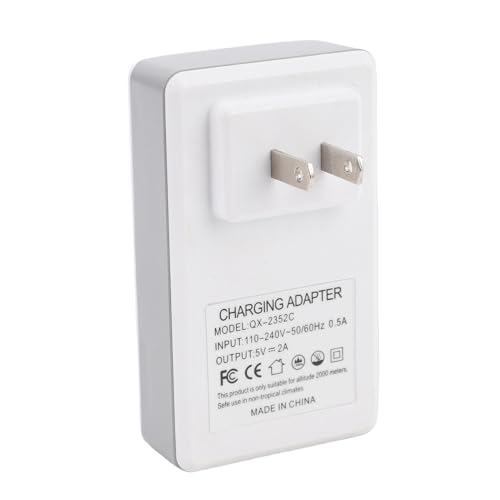
- 2600mAh battery for small 5V devices
- 2A USB output for cameras and accessories
- Lightweight design with automatic outage activation
Best For: Single low-power USB cameras, webcams, or LED panels
Multi-Output Studio Backup

- Five outputs from 5V USB to 24V POE
- 18W maximum power for compatible devices
- Built-in safety protection and battery indicator
Best For: Mixed-voltage cameras, routers, modems, and studio accessories
High-Capacity Camera Backup

- 10400mAh battery for extended backup
- 36W output with DC, USB, and POE options
- Includes nine connectors and five LED indicators
Best For: Longer backup for cameras, routers, IP systems, and mixed low-voltage gear
Versatile Multi-Voltage Backup

- 5V, 9V, 12V, and POE outputs
- Compact 36-watt design
- Battery indicator and safety protections
Best For: Multi-device low-voltage camera and studio setups
Simple USB Continuity Backup
- 2600mAh rechargeable battery
- 5V USB output up to 2A
- Automatic outage switchover
Best For: Single low-power USB cameras and accessories
High-Capacity Voltage Flexibility

- 10400mAh, 18Wh battery
- 5V, 9V, 12V, and POE outputs
- Can power two devices within 2A total
Best For: Longer backup for compatible multi-voltage camera setups
High-Capacity Pick – TalentCell Mini UPS
For camera backup power supplies for home studios, the TalentCell Mini UPS is a flexible choice when your setup uses 5V, 9V, or 12V DC equipment. Its 97.2Wh lithium-ion battery and multiple outputs can support cameras, LED panels, routers, and other small studio accessories during an outage.
Best For: Home studios needing extended backup for several low-wattage DC devices.
Pros:
- High stated capacity of 97.2Wh with a 27,000mAh battery rating.
- Provides four 12V outputs, one 9V output, and two USB 5V outputs.
- Includes short-circuit, over-current, and overcharge/discharge protection.
- Supplied with two DC cables and a 12.6V/2A charger.
Cons:
- Cannot continuously power devices exceeding 37W without rapidly draining the battery.
- Devices must use the included 5.5mm x 2.1mm DC connection or require a separate adapter.
The TalentCell stands out for capacity and output variety, but compatibility checks are essential before connecting studio equipment. It is better suited to low-power DC gear than high-draw computers or lighting systems.
Multi-Output Security Hub – EVERSECU 9-Channel UPS
Among camera backup power supplies for home studios, the EVERSECU is designed for installations with several 12V devices. Its metal cabinet and nine individually protected outputs make it practical for multiple cameras, PTZ equipment, access-control hardware, or other centralized DC loads.
Best For: Permanent multi-camera or multi-device studio security installations.
Pros:
- Offers nine 12V outputs with a total 5A, 60W rating.
- Individual PTC fuses and LED indicators help isolate output problems.
- Provides short-circuit, high-voltage, and over-current protection.
- Metal enclosure is suited to a fixed equipment installation.
Cons:
- 12V lead-acid backup battery is not included.
- It is less portable than compact lithium-ion UPS units.
- Designed around 12V equipment rather than mixed-voltage studio devices.
This unit is a stronger fit for a centralized camera system than a small desktop setup. Budget for a compatible 12V lead-acid battery and allow space for its metal cabinet.
Compact 5V Option – Fockety Mini UPS
The Fockety Mini UPS is a compact option for camera backup power supplies for home studios that use 5V equipment. Its automatic switchover can keep a compatible security camera, router, modem, or small accessory operating when household power is interrupted.
Best For: Small 5V cameras and networking devices where space is limited.
Pros:
- Compact 2,600mAh lithium-ion battery backup.
- Provides 5V output for compatible devices.
- Automatic switching helps maintain operation without a reboot.
- Includes overcurrent, overvoltage, overcharge, and overdischarge protection.
Cons:
- Limited to 5V devices and a stated 1.2A continuous output compatibility.
- Its smaller battery is less suited to high-draw studio equipment.
- Manufacturer warranty is listed as 90 days.
The Fockety is best viewed as a simple, space-saving backup for one compatible 5V device. Confirm your equipment’s voltage and current requirements before relying on it for a camera or accessory.
Versatile DC Backup – PECRON D39 DC UPS
For camera backup power supplies for home studios, the PECRON D39 offers a useful middle ground between a tiny router UPS and a larger battery pack. It combines 5V, 9V, and 12V DC outputs with USB-A and PoE connectivity for cameras, routers, monitors, and other compact equipment.
Best For: Small studios using mixed-voltage cameras, networking devices, and accessories.
Pros:
- 38.48Wh capacity with 5V, 9V, and 12V DC outputs.
- Includes a 5V/2.6A USB-A port and a PoE port.
- Automatic backup operation helps maintain connected equipment during outages.
- Six protection features include overcharge, deep-discharge, over-current, short-circuit, voltage, and thermal protection.
Cons:
- Its runtime is limited compared with higher-capacity battery systems.
- Output compatibility still depends on the connected device’s voltage, connector, and power needs.
- It is intended for smaller digital devices rather than high-power studio lighting.
The D39 is a practical choice when your setup needs more output flexibility than a basic 5V UPS. Its 38.48Wh capacity and listed 2-hour-33-minute runtime make it better suited to compact equipment than demanding studio loads.
Compact 5V Camera Backup – fosa USB 2A Mini UPS
For shoppers comparing camera backup power supplies for home studios, this compact fosa mini UPS is a straightforward option for compatible 5V USB equipment. Its 2A output and 2600mAh battery are suited to smaller cameras, webcams, LED panels, and related accessories.
Best For: Small 5V USB cameras, webcams, LED lighting, and other low-power studio accessories.
Pros:
- Supports devices drawing up to 2A with 5V DC output.
- Compact, lightweight design at approximately 121g.
- Automatically enters sleep mode when fully charged and activates during outages.
- Simple plug-in setup with a single USB output.
Cons:
- Its 2600mAh capacity may provide limited runtime for higher-draw equipment.
- Only offers one USB output and 5V output.
- Best suited to compatible low-power devices rather than larger studio systems.
This is a practical choice when a home studio needs basic backup for one small USB-powered camera or accessory. Check the device’s voltage, connector, and current requirements before buying.
Multi-Output Studio Backup – Mini DC UPS 18W
This mini DC UPS is a flexible pick among camera backup power supplies for home studios, especially when equipment uses different low-voltage inputs. It provides USB, 5V, 9V, 12V, and POE outputs, making it useful for cameras alongside routers, modems, and other compact gear.
Best For: Home studios with mixed 5V, 9V, 12V, or compatible POE devices that need one adaptable backup unit.
Pros:
- Offers five output options, including USB 5V/2A, DC 5V, 9V, 12V, and POE 15V/24V.
- Supports up to 18W of power for compatible equipment.
- Includes overcharge, deep-discharge, short-circuit, thermal, and overcurrent protection.
- LED indicators show remaining battery capacity.
Cons:
- Battery capacity and exact runtime are not specified in the supplied details.
- Device compatibility depends on matching the correct voltage, connector, and current.
- It has no stated warranty.
The multiple outputs make this model more versatile than a single-voltage USB backup, but careful matching is essential. It is a sensible option for a small studio setup with several types of low-voltage equipment.
High-Capacity Camera Backup – HEHSLZZ Mini UPS 36W
For longer backup needs, this 36W mini UPS stands out among camera backup power supplies for home studios with its 10400mAh battery and broad DC output range. It can support compatible 5V, 9V, 12V, USB, and POE equipment while providing battery indicators and multiple included connectors.
Best For: Studios needing extended backup for compatible security cameras, routers, IP cameras, and several low-voltage devices.
Pros:
- Large 10400mAh built-in battery with five LED capacity indicators.
- Supports up to 36W and offers 5V, 9V, 12V, USB, and 15V/24V POE outputs.
- Includes nine DC connectors for broader device compatibility.
- Provides overcharge, temperature, and short-circuit protection.
Cons:
- Compatibility still depends on the device’s voltage, connector, and current requirements.
- The RJ45 port operates at 100Mbps, which may not suit faster networking needs.
- Its larger 0.6kg form factor is less lightweight than a basic USB backup.
This is the strongest capacity-focused option in the group and offers useful flexibility for a more involved studio setup. Confirm the included connector and output specifications before connecting cameras or other equipment.
Versatile Multi-Voltage Backup – Compact DC UPS
For camera backup power supplies for home studios, this compact DC UPS is useful when you need flexible support for low-voltage equipment. It offers 5V, 9V, and 12V DC outputs, plus 15V and 24V POE options, making it suitable for security cameras and other small studio-adjacent devices.
Best For: Home studios using multiple low-power DC devices, cameras, routers, or LED equipment.
Pros:
- Supports multiple output voltages, including 5V, 9V, 12V, and POE options.
- Compact design with seven outlets and USB/DC connectors.
- Includes safeguards for overcharging, deep discharge, overheating, overcurrent, and short circuits.
- Battery indicator lights show remaining capacity.
Cons:
- Maximum power is listed at 36 watts, so it is not intended for high-draw studio equipment.
- It has no stated warranty.
Choose this model when voltage flexibility matters more than powering large lights, computers, or audio amplifiers for extended periods. Confirm your device’s voltage and current requirements before connecting it.
Simple USB Continuity Backup – WALFRONT Mini UPS
For camera backup power supplies for home studios, the WALFRONT Mini UPS is a straightforward option for 5V USB equipment. Its 2600mAh battery and automatic switchover can help keep a compatible camera, router, LED strip, or other low-power device operating during an outage.
Best For: Single 5V USB devices that need compact, automatic emergency power.
Pros:
- Provides a stable 5V USB output at up to 2A.
- Automatically switches to battery power during an outage.
- Compact 121-gram design with a flame-retardant PC casing.
- Includes over-current, over-voltage, over-charge, and over-discharge protection.
Cons:
- Only provides 5V output, limiting compatibility with higher-voltage devices.
- The 2600mAh capacity is smaller than the larger backup units in this roundup.
- Runtime depends on the connected device’s power consumption.
This is a practical pick for a modest USB-powered camera or accessory rather than a multi-device studio backup system. Check that your equipment accepts 5V USB power and stays within the 2A output limit.
High-Capacity Voltage Flexibility – 10400mAh Mini UPS
For camera backup power supplies for home studios, this 10400mAh mini UPS offers more battery capacity and broader voltage support than a basic USB backup. It can provide 5V, 9V, or 12V output at up to 2A, along with 15V and 24V POE outputs for compatible equipment.
Best For: Home studios needing longer backup potential for compatible cameras, routers, modems, or other low-power devices.
Pros:
- Large 10400mAh, 18Wh battery capacity.
- Supports 5V, 9V, and 12V outputs at 2A.
- Includes 15V and 24V POE output options at 1A.
- Can power two devices simultaneously when their combined current is 2A or less.
Cons:
- Two-device operation is limited by the 2A combined-current maximum.
- Requires careful voltage matching before use.
- Its supplied notes do not specify a runtime for particular camera loads.
The larger battery makes this a strong choice when backup duration is a priority, while the multi-voltage outputs improve compatibility. Verify connector polarity, voltage, and current requirements for each studio device before powering it.
How We Picked These Camera Backup Power Supplies for Home Studios
We focused on compact UPS and battery backup units that can suit common home-studio equipment, including cameras, routers, modems, security systems, and small PoE devices. Our comparison emphasizes output voltage options, maximum current or wattage, battery capacity, connector flexibility, charging design, and the practicality of each unit for a desk, rack, cabinet, or mobile setup.
Because power requirements vary widely, no single model is ideal for every camera system. Always confirm the device’s voltage, polarity, connector size, and current draw before connecting a backup supply.
Quick Comparison
| Best For | What to Look For |
|---|---|
| Single low-power camera | 5V or 9V output, USB compatibility, compact size |
| Router, modem, and camera | Multiple voltage settings and sufficient wattage |
| PoE or networked equipment | PoE support, correct voltage, and adequate current |
| Longer runtime | Larger watt-hour or milliamp-hour capacity |
| Several wired devices | Multiple outputs or a regulated cabinet-style supply |
Key Buying Factors for Camera Backup Power Supplies for Home Studios
Voltage, Polarity, and Connectors
Match the backup unit to the camera or accessory’s exact input requirements. Multi-voltage models are more versatile, but selectable outputs do not eliminate the need to verify polarity and plug dimensions.
Capacity and Runtime
Battery capacity indicates potential runtime, but actual performance depends on the connected load and conversion losses. Higher-capacity units are better for longer outages, while smaller 2600mAh models are easier to conceal and may be enough for a single low-draw device.
Output Power and Device Count
Check both the maximum wattage and the current available at the voltage you plan to use. A unit with several outputs may still be unsuitable if the combined load exceeds its rating. PoE equipment also requires compatible power delivery, not merely a matching voltage.
Installation and Safety
For permanent installations, look for regulated output, secure enclosures, ventilation, and a suitable battery connection. Keep lithium-ion units away from heat and moisture, and use the supplied charger or a manufacturer-approved replacement.
Who Should Buy Which Camera Backup Power Supplies for Home Studios?
Choose a compact USB or single-output mini UPS for one low-power camera, router, or modem where space is limited. A multi-voltage 10400mAh-class unit is a better fit for users who want more runtime or need to support changing equipment. Select a higher-capacity 27000mAh model when extended backup and broader output options matter most. For several wired security or studio devices, a regulated multi-channel cabinet-style supply may be the most practical choice. If your setup includes PoE cameras, prioritize a model explicitly designed for PoE and verify compatibility with the network switch or injector.