
The best camera cranes make it easier to create sweeping rises, reveals, and tracking shots without relying on a full-size production rig. The right setup balances reach, payload, portability, and control for your camera and lens combination.
This roundup compares compact mini jibs, foldable crane arms, long-reach systems, motorized heads, and heavy-duty support equipment so you can choose a setup that fits your workflow and shooting environment.
Best 10 Camera Cranes Picks for 2026
Compact Carbon-Fiber Pick

- 85-inch extendable carbon-fiber arm
- Supports up to 33 pounds
- Flexible tilt and accessory mounting
Best For: Portable, high-capacity jib work
Lightweight Stabilization Pick
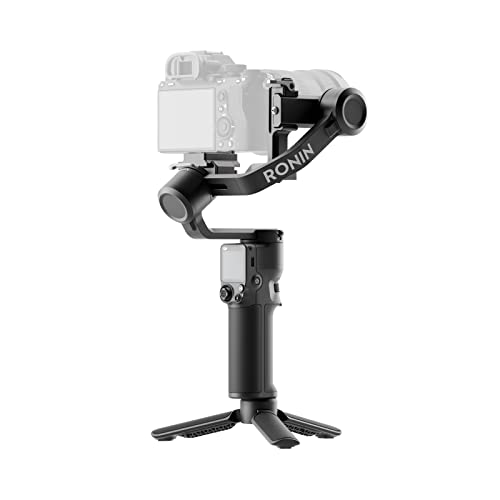
- Weighs about 795 grams
- Supports up to 2 kilograms
- Includes three-axis stabilization and vertical shooting
Best For: Travel and solo stabilized video
Long-Reach Production Pick

- 14-foot modular jib arm
- Supports up to 8 kilograms
- 270-degree platform tilt range
Best For: Professional elevated and sweeping crane shots
Maximum-Extension Carbon-Fiber Pick

- Extends to 16 feet
- Supports up to 20 pounds
- Designed for handheld gimbals
Best For: Long-reach gimbal-based camera moves
Professional Pick

- Supports up to 25kg / 55lb
- 100mm bowl with 75mm adapter
- Telescopic arm for sweeping shots
Best For: Studios and production teams needing substantial reach
Best for Everyday Use
IFOOTAGE M1 III Mini Jib Crane

- 85-inch carbon-fiber reach
- Supports up to 33lb
- Flexible tilt and mounting options
Best For: Videographers wanting a versatile mini jib
Remote-Control Upgrade
Proaim Gold Motorized Pan-Tilt Head

- Two-axis motorized pan and tilt
- Supports up to 7.5kg / 16.5lb
- Includes wired 12V joystick control
Best For: Adding remote movement to compatible camera jibs
Best Foldable Camera Crane

- Supports up to 33lb on a 100mm bowl
- Extends from 5.2 to 7.2 feet
- Folds to about 2.5 feet for transport
Best For: High-capacity location shoots requiring flexible jib angles
Best Versatile Camera Crane

- Supports cameras and heads up to 8kg
- Works with compatible gimbals and fluid heads
- Includes assisted tilt control and LCD mount
Best For: Portable productions using varied camera-head configurations
Best Camera Crane Stand

- Handles up to 198lb
- Adjusts from 51 to 83 inches
- Uses a 33mm mounting tube
Best For: Stable studio or location support for compatible heavy jibs
Compact Carbon-Fiber Pick – IFOOTAGE M1 III Mini Jib
For filmmakers who want the sweeping movement of camera cranes without a full-size setup, the IFOOTAGE M1 III offers an 85-inch reach in a foldable carbon-fiber design. It supports up to 33 pounds and includes useful mounting and tilt options for varied shooting angles.
Best For: Small production crews needing a portable jib for smooth vertical, horizontal, low-angle, and overhead-style movements.
Pros:
- Supports loads up to 33 pounds.
- 20-layer carbon-fiber square tube provides rigidity while keeping the arm foldable.
- Offers adjustable tilt, low-profile mounting, and 1/4-inch and 3/8-inch accessory threads.
- Includes two quick-release plates and a water bag.
Cons:
- Its 85-inch reach is shorter than that of full-size production jibs.
- At 13.2 pounds, it is portable but not an ultralight camera support.
The M1 III is a versatile choice when portability, high payload capacity, and accessory flexibility matter more than maximum crane reach.
Lightweight Stabilization Pick – DJI RS 3 Mini Gimbal
The DJI RS 3 Mini is a compact alternative to traditional camera cranes for creators who prioritize handheld mobility and stabilized movement. Weighing about 1.75 pounds, it supports camera-and-lens combinations up to 4.4 pounds and includes native vertical shooting.
Best For: Travel shooters, solo creators, and social-video production using compatible mirrorless or DSLR setups.
Pros:
- Lightweight 795-gram design is convenient for extended handheld shooting.
- Supports payloads up to 2 kilograms.
- Provides three-axis stabilization and native vertical shooting.
- Includes Bluetooth shutter control and a 1.4-inch full-color touchscreen.
Cons:
- Its 2-kilogram payload is substantially lower than that of dedicated jib arms.
- DJI Ronin app activation and full functionality require downloading the app outside Google Play because of a compatibility issue.
- It is not water resistant.
This is not a long-reach crane, but it is a practical choice when smooth camera movement, portability, and fast vertical content capture are more important than elevated sweeping shots.
Long-Reach Production Pick – Proaim 14ft Camera Crane
For dramatic elevated moves and shots over crowds or obstacles, the Proaim P-14 provides the reach expected from full-size camera cranes. Its modular arm can be configured at 14 or 10 feet and supports camera rigs, gimbals, pan-tilt heads, and fluid heads up to 8 kilograms.
Best For: Production teams shooting sweeping arcs, overhead footage, and elevated camera movements on professional sets.
Pros:
- 14-foot arm can provide up to 15 feet of height with a 5-foot stand.
- Supports rigs weighing up to 8 kilograms.
- 270-degree camera-platform tilt range enables creative and near-overhead angles.
- Two-arm construction, thrust roller bearings, monitor mounting, and carry bags support production use.
Cons:
- At 16 kilograms, it is considerably heavier than compact jib options.
- Requires substantial setup space and a suitable stand.
- Its large dimensions make transport less convenient.
The P-14 is built for reach and production flexibility rather than quick handheld operation, making it a strong fit for controlled shoots with crew and space for setup.
Maximum-Extension Carbon-Fiber Pick – Teris JQ50-II Mini Jib
The Teris JQ50-II combines a carbon-fiber build with an unusually long 16-foot extension for a mini jib. It supports loads up to 20 pounds and is designed for use with handheld gimbals, making it suitable for creators seeking extended camera movement without moving to a heavier full-size system.
Best For: Gimbal users who need long reach, moderate payload capacity, and a relatively lightweight jib arm.
Pros:
- Extends to 16 feet for broad, elevated camera movements.
- Supports loads up to 20 pounds.
- Lightweight carbon-fiber construction helps limit arm weight.
- Includes a counterweight rod for standard weight plates and cable-management accessories.
Cons:
- Standard weight plates are needed for counterbalancing and are not specified as included.
- Its 20-pound capacity is lower than the IFOOTAGE M1 III’s stated payload.
- The product is specifically designed around handheld gimbal use, which may limit setup flexibility.
The JQ50-II stands out for combining 16-foot reach with carbon-fiber construction, but buyers should plan carefully for counterbalancing and gimbal compatibility.
Professional Pick – Proaim Wave-2 10ft Jib Crane
For filmmakers who need substantial reach and payload capacity, the Proaim Wave-2 is a capable option among camera cranes. Its telescopic arm is designed for rising, lowering, sweeping, overhead, reveal, and wide motion shots with DSLR, gimbal, and studio camera setups.
Best For: Production teams, event videographers, studios, and filmmakers needing a larger jib for dynamic camera movement.
Pros:
- Supports up to 25kg / 55lb, according to the supplied product notes.
- Includes a 100mm bowl mount and 75mm bowl adapter for different head setups.
- Telescopic design supports flexible configurations for interviews, events, commercials, and creative productions.
- Compatible with cameras, camcorders, DSLRs, 3-axis gimbals, and pan-tilt heads.
Cons:
- Its 10ft jib format may require more setup space than a mini crane.
- The supplied specifications describe a substantial production-oriented system rather than a compact travel setup.
The Wave-2 stands out when reach and payload capacity matter more than portability. Verify your preferred camera head and mounting requirements before choosing it for a particular production.
Best for Everyday Use – IFOOTAGE M1 III Mini Jib Crane
The IFOOTAGE M1 III is a compact carbon-fiber choice for camera cranes, combining an 85-inch reach with a stated 33lb maximum load. Its adjustable platform and included mounting options support vertical, horizontal, low-angle, and upside-down camera movements.
Best For: Videographers and photographers seeking a relatively compact mini jib with flexible camera and accessory mounting.
Pros:
- Uses a 20-layer carbon-fiber square tube for rigidity and stability, per the supplied notes.
- Extends to 85 inches and supports up to 33lb.
- Offers adjustable platform tilt and a focus-shot range of -13 to 22 degrees.
- Includes quick-release options for 60mm and 75mm fluid ball heads, plus 1/4-inch and 3/8-inch accessory threads.
Cons:
- The listing identifies this item as 90% new, with a creased box.
- It is not water resistant.
- The 85-inch reach is shorter than a full-size 10ft jib.
This mini jib is appealing when flexible angles and a lighter carbon-fiber design are priorities. Buyers should account for the listed product condition and confirm compatibility with their camera, fluid head, and accessories.
Remote-Control Upgrade – Proaim Gold Motorized Pan-Tilt Head
The Proaim Gold is a motorized pan-tilt head for compatible camera cranes rather than a complete jib arm. It adds remotely controlled two-axis movement, making it useful for precise camera positioning, tracking shots, time-lapse work, and other crane-based filming.
Best For: Crews upgrading compatible jibs with wired remote pan and tilt control for DSLR, mirrorless, and compact cinema cameras.
Pros:
- Supports camera setups weighing up to 7.5kg / 16.5lb.
- Provides motorized two-axis pan and tilt movement.
- Includes a 12V wired joystick controller for remote operation.
- Supplied accessories include a 15m / 49ft control cable, power options, mounting screw, and storage case.
Cons:
- This is a pan-tilt head, not a complete camera crane or jib arm.
- Its 7.5kg payload is lower than the capacity of the Proaim Wave-2 jib listed above.
- Compatibility with the intended jib and camera setup should be verified before purchase.
For camera-crane operators who already have a compatible arm, the Gold can add controlled remote movement without replacing the entire system. Its payload limit makes careful camera and accessory weight checks essential.
Best Foldable Camera Crane – 7.2ft Wave Fold Jib
For camera cranes that need to travel between locations, the Proaim Wave Fold combines telescopic reach with a compact folding design. It extends from 5.2 to 7.2 feet, supports up to 15kg/33lb on a 100mm bowl, and accommodates both overslung and underslung setups.
Best For: Filmmakers who need a high-capacity jib with flexible mounting angles and easier transport.
Pros:
- 15kg/33lb payload supports cameras and gimbals.
- Telescopic 5.2- to 7.2-foot reach suits varied shot sizes.
- Switches between overslung and underslung configurations quickly.
- Folds to approximately 2.5 feet for transport and storage.
Cons:
- At 53 pounds, it is substantially heavier than the smaller jib option.
- The 100mm bowl adapter is excluded from the stated folded size.
- It is not water resistant.
This is a strong choice when payload capacity and setup flexibility matter more than minimizing equipment weight. The lockable pan and tilt controls and central fork are geared toward controlled, polished movements.
Best Versatile Camera Crane – Proaim 9ft Jib Arm
The Proaim 9ft Camera Crane Jib Arm is built for DSLR, mirrorless, camcorder, and compact video-camera setups. Its two-section aluminium arm supports up to 8kg/17.6lb and works with compatible gimbals, motorized pan-tilt heads, and fluid heads.
Best For: Small production crews seeking a portable jib with multiple head options and rear operator controls.
Pros:
- 9-foot arm provides reach for elevated shots, reveals, and sweeping moves.
- Universal front platform supports compatible gimbals and camera heads.
- Cable-assisted leveling helps maintain the camera-platform angle.
- Built-in 1/4-inch-20 mount accommodates a compatible LCD monitor.
Cons:
- Maximum payload is 8kg/17.6lb, lower than the Wave Fold model.
- Its two-section arm has a stated folded length of 7 feet.
- It is not water resistant.
Choose this jib when compatibility and operator control are priorities. The manual rear tilt handle, assisted leveling system, and monitor mount add practical flexibility, while the included carrying bag helps with organization.
Best Camera Crane Stand – Heavy-Duty Jib Support Stand
The Proaim Heavy-Duty Jib Stand provides the base support needed for compatible camera cranes. With a 33mm mounting tube, telescopic height adjustment from 51 to 83 inches, and a 90kg/198lb weight limit, it is designed for demanding studio and location setups.
Best For: Professional productions that need a stable, height-adjustable stand for a compatible jib crane.
Pros:
- Supports up to 90kg/198lb of production equipment.
- 33mm mounting tube fits a range of compatible jib systems.
- Telescopic column adjusts from 51 to 83 inches.
- Mid-level spreader, quick-lock adjustment, and rubber feet support stability.
Cons:
- This is a stand, not a complete camera crane or jib arm.
- Compatibility depends on a jib using a 33mm mounting tube.
- Its high-grade mild-steel construction weighs 5.6kg.
For heavy professional camera cranes, this stand is a practical foundation rather than an all-in-one jib solution. Verify the crane’s mounting requirement before buying, then use the adjustable height and stability features to position the rig for the shot.
How We Picked the Best Camera Cranes
We evaluated these Camera Cranes by looking at the factors that most affect real-world filming: maximum reach, payload capacity, construction materials, portability, mounting compatibility, and the type of camera movement each system supports. We also considered whether a crane is designed for handheld gimbals, pan-tilt heads, DSLR and mirrorless cameras, or heavier cinema configurations.
Because a crane arm is only as useful as its support system, this selection also includes compatible heads and a heavy-duty jib stand. Always verify the complete system’s weight rating rather than relying only on the rating of the arm itself.
Quick Comparison
- Best compact option: IFOOTAGE M1 III 85-inch Carbon Fiber Mini Jib Crane.
- Best for long reach: Teris JQ50-II, which extends to 16 feet and supports up to 20 pounds.
- Best foldable design: Proaim 7.2ft Wave Fold Jib Crane.
- Best for larger setups: Proaim 14ft Camera Crane Jib Arm.
- Best motorized control: Proaim Gold 2-Axis Motorized Pan Tilt Head.
- Best heavy-duty support: PROAIM Heavy-Duty Jib Stand.
Key Buying Factors for Camera Cranes
Reach and Operating Space
Longer arms create more dramatic movement but need additional clearance, counterbalance, and support. A compact 7- to 9-foot jib is often easier to use in studios, event venues, and small locations, while a 14- to 16-foot arm is better suited to large sets and outdoor productions.
Payload and Balance
Calculate the combined weight of the camera, lens, battery, cage, monitor, gimbal, and head. Stay below the manufacturer’s maximum rating, and leave practical margin for smooth operation. Counterweights and a rigid stand are essential for longer or heavier configurations.
Material and Portability
Carbon fiber can reduce the weight of a portable jib, while larger metal systems may prioritize rigidity and durability. Foldable or sectional designs are useful when transport and storage matter more than maximum reach.
Mounting and Control
Check whether the crane uses a 100mm bowl, 33mm mount, standard camera plate, or another interface. A motorized pan-tilt head can add precise remote movement, but it also increases system weight, power needs, and setup complexity. A gimbal may be the better choice when stabilization and flexible camera orientation are priorities.
Who Should Buy Which Camera Cranes?
Solo creators and travel filmmakers should prioritize a lightweight mini jib that can be assembled quickly. Wedding and event videographers may prefer a foldable 7- to 10-foot crane for striking venue reveals without carrying a full studio rig. Commercial and narrative productions can benefit from longer Proaim or Teris arms paired with a suitable pan-tilt head and dedicated stand. Studios and rental departments should focus on payload capacity, standardized mounting, replacement parts, and robust support hardware.
Before buying, confirm the crane’s folded and extended dimensions, required counterweights, stand compatibility, and total system weight. Those details determine whether the setup will be safe, practical, and genuinely useful on your next shoot.