
If you repair shoes regularly, the right press can improve bonding consistency, speed up workflow, and reduce rework. A good shoe sole press machine helps you apply even pressure for cleaner, more professional results.
Below, we break down 10 practical options for cobblers, repair shops, and hands-on makers who want dependable sole pressing tools in 2026.
Best 10 Shoe Sole Press Machine Picks for 2026
Best Manual Pick
Manual Shoe and Sole Pressure Bonding Device

- Manual pressing design for simple operation
- Up to 50 pairs per hour in suitable workflows
- Sized for leather soles and low flat heel shoes
Best For: Shoemakers and small repair shops needing a simple manual sole-pressing tool.
Best for Compact Workspaces
Shoe Edging Machine for Handmade Shoes

- Small steel frame suits tight benches and home shops
- Manual press gives good control over pressure and alignment
- Adjustable for sole thickness up to 15 mm
Best For: Cobblers and DIY repair users who need a compact manual sole press for light edging work.
Best for Small Spaces

- Compact steel build for limited workspaces
- Manual control for precise pressure adjustments
- Supports sole thickness up to 15mm
Best For: Home workshops and small repair stations needing a compact manual sole press.
Best for Adjustable Sole Pressure
Shoe Stretching Expander Repair Machine

- Adjustable screw pressure for better sole bonding
- Versatile for different shoe styles and materials
- Manual press helps flatten and finish edges neatly
Best For: Shoe repairers and makers who need a manual press for sole bonding and smoothing.
Best for Small Repair Spaces
Handmade Sole Edge Flattening Machine
- Solid steel build for everyday durability
- Manual pressure control for precise edging
- Compact footprint suits small workshops
Best For: Home repair setups and small stations that need a compact manual sole press.
Best for Small Workshops
Manual Shoe Sole Pressing Machine
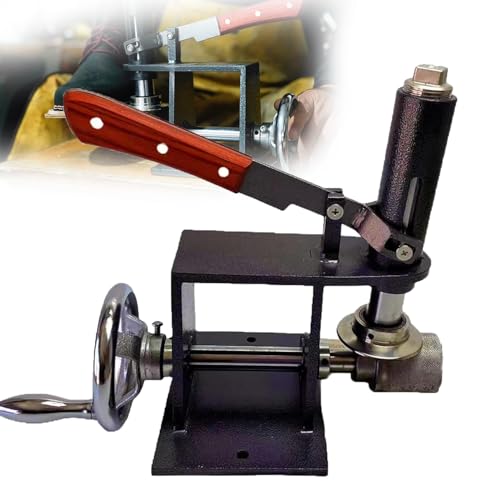
- Manual pressure control for precise sole edge work
- Compact steel frame for small repair spaces
- Fits sole thicknesses up to 15 mm
Best For: Small repair stations and DIY users who want a compact manual sole press.
Best for Fast Leather Repairs
Handmade Leather Sole Pressing Machine
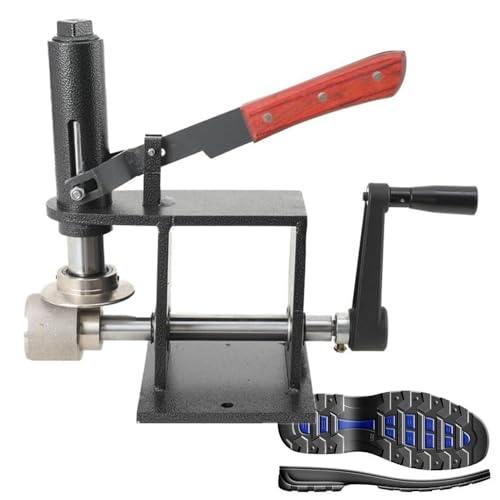
- Adjustable pressure for even, repeatable pressing
- Manual operation with ergonomic handwheels and wooden handle
- Works with leather, synthetics, and mixed shoe designs
Best For: Repair shops, shoemakers, and DIY users who need a straightforward manual press for sole work.
Best for Manual Control

- Manual pressure control for precise finishing
- Steel construction with a compact footprint
- Adjustable spacing for up to 15 mm soles
Best For: Shoemakers and DIY repair users who want hands-on control for sole edge flattening.
Best Simple Pick
Handmade Shoe Sole Edge Pressing Machine

- Manual operation for precise pressure control
- Adjustable for sole thickness up to 15 mm
- Compact steel build for small workspaces
Best For: Shoe repair shops and DIY users who want controlled manual pressing for sole edges.
Best Manual Pick – Manual Shoe and Sole Pressure Bonding Device
If you need a straightforward shoe sole press machine for small-batch shoe repair or light production, this manual pressing model keeps the setup simple. It is designed for leather uppers and low flat heels, with a claimed output of up to 50 pairs per hour in the right workflow.
Best For: Shoemakers or repair shops that want a manual sole-pressing solution for leather work and low flat heel shoes.
Pros:
- Manual design keeps operation simple and avoids powered complexity.
- Rated for up to 50 pairs per hour, which is solid for basic production.
- Compact footprint suits smaller workshops.
- Built for sole pressing on leather materials and low flat heel applications.
Cons:
- Manual pressing may be slower and more labor-intensive than powered machines.
- Limited to certain sole styles, so it is not ideal for all footwear types.
- Best suited to lighter-duty use rather than high-volume industrial lines.
This shoe sole press machine is a practical choice if you want an affordable, task-focused tool for core sole bonding jobs without extra features. It is most compelling for workshops that value simplicity and consistent manual control over automation.
Best for Compact Workspaces – Shoe Edging Machine for Handmade Shoes
SIMPLEusQ Shoe Edging Machine, Handmade Shoe Tool,Adjustable Sole Thickness,for Shoes, Repairer Shop
Check Price On AmazonIf you need a shoe sole press machine for light repair work, this compact manual model is built for small shops and home setups. Its steel construction, adjustable press spacing, and simple hand-driven operation make it a practical choice for edging and flattening shoe soles without taking up much bench space.
Best For: Cobblers, repair shops, and DIY users who want a compact, manually controlled press for adjusting sole edges and thickness.
Pros:
- Compact steel build fits easily into small work areas
- Manual control helps with pressure and placement accuracy
- Adjustable spacing works with sole thickness up to 15 mm
- Low-maintenance design is straightforward to assemble and use
Cons:
- Manual operation is slower than powered shop machines
- Limited to lighter-duty sole pressing tasks
- Not ideal for high-volume repair workflows
This shoe sole press machine makes the most sense for users who value control, simplicity, and a small footprint over automation. For occasional shoe edge pressing and sole flattening, it offers a practical hands-on setup at a manageable size.
Best for Manual Sole Pressing – Manual Shoe Sole Press Machine
If you need a compact shoe sole press machine for flattening leather trim and securing soles with more control, this manual press is built for straightforward workshop use. It focuses on even pressure, adjustable compression, and a simple hand-operated setup that suits small shoemaking or repair jobs.
Best For: Shoemakers and repair shops that want a manual, compact press for sole bonding, edge flattening, and neat finishing on a range of shoe styles.
Pros:
- Adjustable top screw helps set compression for cleaner sole attachment.
- Manual lever and handwheel design makes positioning and pressing simple.
- Works across different shoe styles and materials for versatile shop use.
- Compact metal build is suited to smaller work areas.
Cons:
- Manual operation is slower than powered press machines.
- Best suited to light workshop and repair tasks rather than high-volume production.
- At 4.8 kg, it is portable but still less convenient than ultra-light tools.
For buyers who want a practical, no-frills shoe sole press machine, this model offers the main essentials: adjustable pressure, even flattening, and consistent results without a complicated learning curve. It is a sensible fit if your priority is controlled hand pressing rather than automation.
Best for Small Spaces – Handmade Sole Edging Machine
If you need a shoe sole press machine for basic repair work, this compact manual unit is built for controlled edge pressing without taking over your workspace. Its steel construction, adjustable spacing, and 15mm sole thickness limit make it a practical fit for home use or a small repair bench.
Best For: Home cobblers, hobbyists, and small repair setups that want a manual, space-saving press for sole edge finishing.
Pros:
- Solid steel build feels sturdy and durable for regular use.
- Manual operation gives you precise control over pressure and timing.
- Compact footprint works well in tight workshops or home spaces.
- Adjustable design supports shoe edge pressing up to 15mm thickness.
Cons:
- Manual operation is slower than powered press machines.
- Designed mainly for sole edge work, not full-service shoe repair tasks.
- May be too limited for thicker or more industrial shoe materials.
Overall, this shoe sole press machine is a sensible choice if you value control, simplicity, and a small footprint over speed or heavy-duty automation. It’s a straightforward tool for clean edge finishing on handmade or repaired shoes.
Best for Adjustable Sole Pressure – Shoe Stretching Expander Repair Machine
If you want a practical shoe sole press machine for repair or light shoemaking work, this manual press is built to help flatten, bond, and finish soles with less effort. It offers adjustable pressure and a compact layout, making it a useful pick for shops or DIY users handling different shoe styles.
Best For: Shoe repairers and makers who need a manual press for sole bonding, edge flattening, and consistent finishing across multiple shoe types.
Pros:
- Adjustable screw pressure helps secure the sole and improve edge finish
- Works across different shoe styles and materials for broader use
- Manual design is straightforward and can speed up repetitive pressing tasks
- Useful for flattening trim after sewing to create smoother, more even results
Cons:
- Manual operation may be slower than powered shop equipment
- More suited to repair and small-batch work than high-volume production
- Compact build may limit use with very large or oversized footwear
This shoe sole press machine makes sense if you need a simple, adjustable tool for cleaner bonding and finishing without investing in a larger automated setup. It is especially appealing for users who value control over pressure and a versatile press for everyday repair work.
Best for Small Repair Spaces – Handmade Sole Edge Flattening Machine
If you need a compact shoe sole press machine for light-duty repair work, this manual model offers a simple, space-saving way to flatten and edge-press soles with more control than a powered setup. Its steel construction, adjustable spacing, and straightforward screw-and-handle operation make it a practical fit for careful handwork.
Best For: Home workshops, small repair stations, and users who want manual control over sole edge pressing without a large machine footprint.
Pros:
- Solid steel build feels durable and suited to regular use.
- Manual operation gives you precise control over pressure and timing.
- Adjustable design supports sole thicknesses up to 15 mm.
- Compact size is easier to fit into a small workspace.
Cons:
- Manual pressing takes more effort than electric alternatives.
- Better suited to light repair and edging than high-volume production.
This shoe sole press machine makes the most sense for buyers who value control, simplicity, and a compact footprint over speed. It’s a straightforward shop tool for flattening and edging soles when you only need dependable manual pressure.
Best for Small Workshops – Manual Shoe Sole Pressing Machine
If you need a practical shoe sole press machine for routine repair work, this manual model is built for controlled pressing without taking up much space. It gives you hands-on pressure adjustment, a compact steel frame, and a simple setup that suits home users or small repair stations.
Best For: Shoe repair hobbyists, small workshops, and anyone who wants a compact manual press for sole edge work.
Pros:
- Manual pressure control helps with precise sole edge pressing and flattening.
- Solid steel construction feels sturdy while staying compact for tight workspaces.
- Adjustable design makes it easier to fit different shoe edges and thicknesses up to 15 mm.
- Low-maintenance build with straightforward assembly for fast start-up.
Cons:
- Manual operation is slower than powered press machines.
- Limited to smaller-scale repair and workshop use, not high-volume production.
- At 6.96 kg, it is portable but not ultra-light.
This shoe sole press machine is a strong fit if you value control, durability, and a space-saving footprint over automation. It is especially appealing for basic sole pressing tasks where precision matters more than speed.
Best for Fast Leather Repairs – Handmade Leather Sole Pressing Machine
If you need a shoe sole press machine for quick repair work and consistent finishing, this manual model is built for controlled pressure on leather, synthetic blends, and mixed shoe designs. It’s designed to help create flatter seams, cleaner edges, and more efficient workflow without relying on complicated tools.
Best For: Shoemakers, repair shops, and DIY users who want a simple manual press for sole repair, trimming, and alteration work.
Pros:
- Adjustable pressure helps deliver even, repeatable results.
- Manual operation with ergonomic handwheels and a wooden handle feels straightforward to use.
- Helps speed up repetitive pressing tasks and improve workshop efficiency.
- Works across leather, synthetics, and mixed shoe styles.
Cons:
- Manual design is less convenient than powered shop equipment for heavy-volume production.
- Maximum 15 mm sole thickness limits very bulky materials.
- Best suited to repair and alteration work rather than full industrial automation.
This shoe sole press machine makes the most sense for hands-on repair work where consistency matters more than speed of automation. If you want a compact press that can improve finish quality while keeping setup simple, it’s a practical workshop tool.
Best for Manual Control – Shoe Sole Pressing Machine
If you want a straightforward shoe sole press machine for edge flattening and sole finishing, this compact manual unit is built for controlled pressure and neat results. Its steel construction, adjustable pressing spacing, and max 15 mm sole thickness make it a practical fit for repair work and small leather projects.
Best For: Shoemakers, cobblers, and DIY repair users who want hands-on control for flattening shoe sole edges and leather trim.
Pros:
- Manual pressing gives you precise control over pressure and timing.
- Sturdy steel build is suited to regular home or workshop use.
- Adjustable spacing helps it fit different sole edge widths and shapes.
- Compact design is easier to store than larger shop machines.
Cons:
- Manual operation is slower than powered pressing equipment.
- Maximum 15 mm thickness may limit thicker soles.
- Primarily aimed at edge flattening and finishing, not heavy-duty production.
This shoe sole press machine makes the most sense for buyers who value control, simplicity, and clean finishing over speed. For small repair jobs and leather crimping tasks, it offers a focused, no-frills approach that can deliver consistent results.
Best Simple Pick – Handmade Shoe Sole Edge Pressing Machine
If you want a hands-on shoe sole press machine for repair work, this manual model is built for controlled, consistent edge pressing. It uses a steel frame, compact footprint, and adjustable compression to help flatten and finish sole edges after sewing or trimming leather.
Best For: Shoe repair shops, cobblers, and DIY users who want precise manual pressure control for sole edge pressing and finishing.
Pros:
- Manual operation gives you direct control over pressure and timing
- Adjustable sole thickness support up to 15 mm adds flexibility
- Compact steel construction fits easily in small workspaces
- Designed to produce smooth, even finishes on leather and sole edges
Cons:
- Manual design takes more effort than powered alternatives
- Primarily suited to sole edge pressing, not general-purpose shoe repair
Overall, this shoe sole press machine is a practical pick if you value precise control, simple maintenance, and a space-saving build over automation. It’s especially appealing for small shops that need reliable edge pressing without the complexity of a powered system.
How We Picked These Shoe Sole Press Machine Options
We focused on the features that matter most in real repair work: adjustable pressure, build quality, ease of operation, and whether the machine fits small shops or home workshops. We also favored tools that support common shoe repair tasks such as sole bonding, edge flattening, and pressing during alteration work.
Quick Comparison
Most of these picks are manual tools, which makes them simpler, lower cost, and easier to maintain than powered equipment. If you need versatility and a smaller footprint, a manual Shoe Sole Press Machine is often the better fit. If your workload is heavier, prioritize sturdier construction and more consistent pressure control over convenience features.
Key Buying Factors for a Shoe Sole Press Machine
Pressure Control
Look for adjustable pressure so you can match the tool to the material. Softer uppers, delicate leather, and thicker rubber soles all respond better when you can fine-tune compression.
Sole Thickness Capacity
Check the maximum sole thickness the machine can handle. This matters if you work on boots, thick fashion soles, or layered repairs that need extra clearance.
Workspace Size
Compact tools are useful in small repair counters, while larger machines may offer more stability. Measure your bench space before buying, especially if the tool will stay set up full time.
Ease of Use and Maintenance
A practical Shoe Sole Press Machine should be straightforward to operate, with minimal setup and few moving parts that need regular adjustment. Manual designs often win here because they are simpler to keep in service.
Build Materials
Metal frames, solid pressing surfaces, and durable contact points usually last longer and hold alignment better. That translates into more consistent results over time.
Who Should Buy Which Shoe Sole Press Machine?
If you are a hobbyist or occasional repair user, choose a compact manual model that is easy to store and simple to learn. If you run a shoe repair shop, look for stronger adjustment control and a more rigid frame to support repeat work. For leather workers and alteration specialists, pick a machine that handles pressing, flattening, and edge finishing without taking up too much bench space.
In short, the best choice depends on your workload, shoe materials, and available space. A well-matched Shoe Sole Press Machine should feel stable, control pressure accurately, and make everyday repairs more consistent.
