
If you repair shoes regularly, the right machine can save time, improve stitch consistency, and deliver stronger results. A good shoe sole stitching machine is especially useful for cobbling, patching, and general leather repair.
Below, we focus on practical buying factors so you can choose a model that matches your workload, skill level, and budget.
Best 10 Shoe Sole Stitching Machine Picks for 2026
Best for Manual Control
Leather Cobbler Stitching Machine
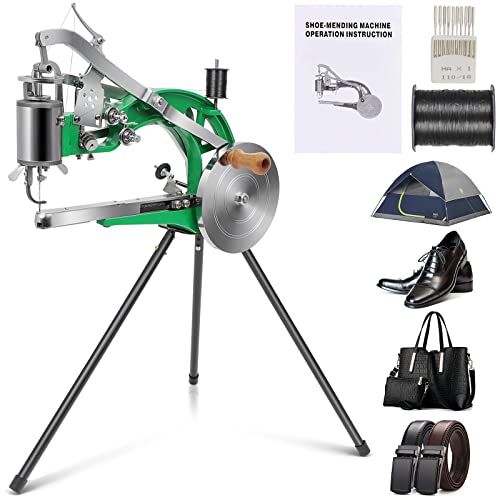
- Manual drive offers precise stitch control
- Works with nylon or cotton thread
- Compact alloy frame suits small home spaces
Best For: DIY users who want hands-on shoe and leather repair control at home.
Best for Hand-Crank Control
Shoe Sole Cutting Tool for Leather & Rubber

- Manual hand-crank control for precise cutting
- Steel build with compact footprint
- Cuts leather, rubber, boots, and bags up to 8mm
Best For: Handmade shoe makers and leather crafters who want manual control for small-space cutting tasks.
Best Budget
IRONWALLS Hand Leather Cobbler Machine

- Manual stitching offers precise speed and tension control.
- Works on shoes, leather goods, canvas, and heavy fabric.
- 360-degree rotating head helps with boots and circular seams.
Best For: DIY repairers and hobbyists who want hands-on control for shoe and leather stitching.
Best for Heavy Hand-Control
2021 Cobbler Sewing Machine 110V 250W

- Stainless steel base for steadier repair work
- Smoother shaft design aims to reduce friction
- Electric assist plus manual operation for thicker materials
Best For: Hands-on buyers repairing shoes, leather goods, and other heavy materials.
Best for Heavy-Duty Hand Stitching
BEAMNOVA Leather Stitching Machine

- Manual cobbler machine for shoes, boots, and leather repairs
- Free-standing tripod base with open-arm access
- Includes 10 needles and nylon thread for immediate use
Best For: Cobblers, leatherworkers, and DIY repair users who need a manual machine for thick materials.
Best for Heavy-Duty Leather Repairs
Electric Cobbler Sewing Machine

- Supports leather, shoes, bags, clothes, and quilts
- Up to 0.48 inches of sewing thickness
- Updated spindle shape aims for smoother operation
Best For: Home repair users and small shops that need a versatile cobbler machine for thick materials.
Best for Multi-Material Repairs
Manual Leather Shoe Cobbler Stitching Machine

- Supports nylon and cotton thread
- Adjustable stitch length and needle spacing
- Can sew in multiple directions
Best For: DIY repair users who need a flexible manual machine for shoes, leather, and mixed-material mending.
Best for Hand Mending
10-Bearings Shoe Repair Hand Sewing Machine

- Manual, no-electric operation for portable repairs
- Works on shoes, bags, clothes, and leather
- Simple assembly with tested factory output
Best For: DIY repair users who want a manual cobbler machine for small shoe and leather jobs.
Best for DIY Repairs
Hand Cobbler Shoe Repair Machine

- Stitches shoes, bags, raincoats, and leather goods
- Manual iron build is compact and durable
- Easy to assemble, move, and maintain
Best For: DIY users and small repair shops needing a compact manual cobbler machine.
Best for Manual Control – Leather Cobbler Stitching Machine
If you want a practical shoe sole stitching machine for occasional repairs and mixed-material sewing, this manual cobbler machine is built for straightforward, hands-on use. Its compact aluminum-alloy frame, dual cotton/nylon thread support, and ability to handle shoes, bags, clothes, and tents make it a flexible option for home workbenches.
Best For: DIY users who want manual control for repairing shoes, leather goods, and other heavy fabrics at home.
Pros:
- Manual operation gives you fine control over stitch strength and placement
- Supports nylon or cotton thread for a wide range of repair tasks
- Compact, durable alloy build is easy to store and move
- Useful for shoes, zippers, cloth, leather bags, and tents
Cons:
- Manual drive takes practice and is slower than powered machines
- Assembly and setup may require some adjustment before it stitches smoothly
- Not ideal for high-volume or professional repair shops
As a shoe sole stitching machine, this model makes the most sense for buyers who value control, versatility, and a low-space footprint over speed. It’s a solid fit for light-duty home repair work, but less suited to users who want a fully automated setup.
Best for Hand-Crank Control – Shoe Sole Cutting Tool for Leather & Rubber
If you want a straightforward shoe sole stitching machine alternative for cutting soles and leather parts by hand, this manual steel cutter is built for controlled, repeatable work. It suits small workshops and home makers who need accurate cuts on leather and rubber without investing in a powered unit.
Best For: Handmade shoe makers, leather crafters, and small-shop users who want manual control and reliable cutting on leather or rubber up to 8mm thick.
Pros:
- Manual hand-crank operation gives you good control over pressure and cut accuracy.
- Steel construction feels sturdy and durable for regular use.
- Compact design is practical for home workshops and tight spaces.
- Works with leather, rubber, boots, bags, and other leather goods.
Cons:
- Manual operation is slower than motorized cutting equipment.
- Requires careful assembly to get the best cutting results.
- Best suited to cutting tasks, not full stitching workflows.
For buyers who mainly need precise material prep, this shoe sole stitching machine-style tool offers a simple, low-maintenance way to cut consistent shapes. It makes the most sense if you value control, compact size, and affordable entry into leather and rubber cutting.
Best Budget – IRONWALLS Hand Leather Cobbler Machine
If you want a practical shoe sole stitching machine for DIY repairs, the IRONWALLS leather cobbler gives you manual control, sturdy metal construction, and enough versatility to handle shoes, bags, canvas, and heavy fabric. It is a good fit for users who value accuracy over automation and want a tool that can stitch thicker materials without relying on electricity.
Best For: DIY repairers, cobblers, and hobbyists who want hands-on control for stitching shoes and heavy materials.
Pros:
- Manual operation gives you fine control over speed and stitch placement.
- Handles a wide range of materials, including leather, canvas, cotton, and nylon line.
- 360-degree rotating foot and needle help stitch tall boots and full circles more easily.
- Heavy iron and aluminum build feels durable and workshop-ready.
Cons:
- Requires assembly before first use.
- Manual design means more effort than an electric machine for longer jobs.
- Not ideal if you want a plug-and-play option with minimal setup.
Overall, this shoe sole stitching machine makes sense if you need a durable, no-power repair tool and are comfortable working manually. It is less convenient than electric models, but the control and material range make it useful for careful repair work.
Best for Heavy Hand-Control – 2021 Cobbler Sewing Machine 110V 250W
If you need a shoe sole stitching machine for occasional leather repairs and cobbler-style work, this ColouredPeas 2021 model offers a sturdy stainless steel base, a 250W corded motor, and manual control for thicker materials. It’s designed to handle shoes, bags, belts, and similar items, with a max sewing thickness of 0.48 inches.
Best For: Buyers who want a hands-on shoe repair machine with electric assistance for lighter stitching and manual control when materials get tough.
Pros:
- Stainless steel base adds stability for repair work
- Upgraded shaft and spindle aim for smoother operation
- Electric assist can improve efficiency on lighter tasks
- Works on leather, shoes, bags, clothes, and quilts
Cons:
- Electric mode is limited and may not handle thick leather well
- Handmade finish may show visible hammer marks
- Mixed reviews suggest it’s better for niche use than daily heavy-duty production
As a shoe sole stitching machine, this one makes the most sense for users who value manual control and a traditional cobbler setup over fully automated performance. The upgraded base and smoother shaft are useful, but buyers should expect a more hands-on experience than a true high-output industrial machine.
Best for Heavy-Duty Hand Stitching – BEAMNOVA Leather Stitching Machine
If you need a practical shoe sole stitching machine for cobbler-style repairs and thick leather projects, the BEAMNOVA is built for hand-operated control rather than speed. Its metal body, free-standing tripod base, and open-arm design make it useful for reaching shoe uppers, boot edges, bags, and other awkward seams.
Best For: Cobblers, leatherworkers, and DIY repair users who want a manual machine for shoes, boots, bags, and other heavy materials.
Pros:
- Heavy-duty metal construction with an upgraded coating for better durability
- Free-standing tripod setup, so no workbench installation is required
- Open arm design helps with narrow, curved, and hard-to-reach stitching areas
- Includes 10 needles and nylon thread so you can start right away
Cons:
- Manual operation takes more effort than an electric machine
- Better suited to repair work than fast-volume production
- Larger floor-standing footprint than compact benchtop tools
As a shoe sole stitching machine, this BEAMNOVA model makes the most sense for users who value reach, control, and tough-material capability over automation. It is a solid fit for repair shops and hands-on makers who need a dependable manual stitcher for leather and other thick fabrics.
Best Manual Stitcher – Leather Sewing Machine, Manual Cobbler
If you need a practical shoe sole stitching machine for home repairs, this manual cobbler setup is built for hands-on work without needing electricity. Its aluminum alloy frame, 360-degree rotating needle/foot assembly, and support for nylon or cotton thread make it a flexible option for stitching shoes, bags, belts, and other leather goods.
Best For: DIY users, cobblers, and small repair shops that want a compact hand-powered machine for shoe and leather stitching.
Pros:
- Hand-powered design works anywhere and stays compact for small workspaces.
- 360-degree rotation helps stitch in different directions without constantly repositioning the shoe.
- Handles multiple materials, including leather, cloth shoes, rubber shoes, and belts.
- Detachable stand makes storage and setup more flexible.
Cons:
- Manual operation takes more effort than electric alternatives.
- Assembly and lubrication are needed before first use.
- Best suited to repair work rather than high-volume production.
As a shoe sole stitching machine, this model stands out more for portability and versatility than speed, making it a sensible pick if you want a durable, low-noise tool for occasional repairs and varied material work.
Best for Heavy-Duty Leather Repairs – Electric Cobbler Sewing Machine
If you need a practical shoe sole stitching machine for repairs on leather shoes, bags, and other thick materials, this electric cobbler machine is built for utility rather than polish. It supports nylon or cotton thread, handles up to 0.48 inches of sewing thickness, and the updated spindle design is meant to reduce friction for smoother operation.
Best For: Home users, small repair shops, and DIY cobblers who want a versatile machine for stitching soles, uppers, and heavy materials.
Pros:
- Handles a wide range of materials, including leather, rubber leather, cloth, bags, and quilts
- Max sewing thickness of 0.48 inches suits many common repair jobs
- Improved shaft and spindle design helps the machine run more smoothly
- Can be paired with a motor to boost productivity
Cons:
- Assembly and oiling are needed before it runs at its best
- Single customer review data is limited, so long-term reliability is harder to gauge
- May feel basic compared with more automated shoe repair machines
This shoe sole stitching machine is a solid fit if you want a compact, manual-style cobbler setup that can handle mixed repair work without overcomplicating the process. It looks best suited to buyers who value versatility and repair capability over premium refinement.
Best for Multi-Material Repairs – Manual Leather Shoe Cobbler Stitching Machine
If you need a practical shoe sole stitching machine for repairs beyond just footwear, this manual cobbler unit is built for flexible mending on leather, canvas, rubber shoes, bags, and even raincoats. It supports nylon and cotton thread, and the turnable foot makes it easier to stitch in different directions once properly assembled.
Best For: DIY users, small repair shops, or anyone who wants a manual shoe sole stitching machine for varied repair jobs on shoes and leather goods.
Pros:
- Works with nylon and cotton thread for different repair needs
- Adjustable needle spacing and stitch length for more control
- Can sew in multiple directions, which helps on curved areas and soles
- Comes with a simple setup and protective packaging
Cons:
- Manual operation takes more effort than powered machines
- Requires careful setup before it sews reliably
- Some buyers may find the build and finish more basic than expected
This shoe sole stitching machine is a solid fit if you want a versatile, hands-on repair tool rather than a high-speed production machine. Its strength is adaptability: once adjusted correctly, it can handle a wide range of stitching tasks across shoes and other materials.
Best for Hand Mending – 10-Bearings Shoe Repair Hand Sewing Machine
If you want a manual shoe sole stitching machine for occasional repairs and multi-material mending, this ColouredPeas cobbler machine is built for practical at-home use. It’s designed to sew leather, nylon, cotton, and common garment materials, making it a flexible option for shoes, bags, clothes, and heavier household textiles.
Best For: DIY users who want a hand-powered, multi-purpose shoe repair machine for small repair jobs, shoe soles, and basic leather stitching.
Pros:
- Manual design works without electricity, so it’s usable anywhere.
- Handles a wide range of repair materials, including leather, nylon, cotton, and fabric.
- Factory-tested and comes with assembly instructions for simpler setup.
- Durable iron-and-aluminum build with bearings for smoother operation.
Cons:
- Handmade finish may show marks and won’t look as polished as mass-molded machines.
- Requires oiling and maintenance to prevent rust and keep movement smooth.
- Lower review score suggests it may not suit buyers wanting a premium, foolproof machine.
This shoe sole stitching machine makes the most sense for buyers who value versatility and manual control over convenience extras. It’s a straightforward cobbler-style tool for repairs, but it does need basic upkeep and a little patience to get the best results.
Best for DIY Repairs – Hand Cobbler Shoe Repair Machine
If you want a practical shoe sole stitching machine for home repairs and light workshop use, this hand-operated cobbler model is built for stitching shoes, bags, and other leather goods with nylon or cotton thread. It’s a compact pick that focuses on versatility, low maintenance, and the ability to reach awkward spots that larger machines can miss.
Best For: DIY users, cobblers, and small shops that need a manual shoe repair machine for shoes, leather goods, and cloth materials.
Pros:
- Works with nylon or cotton thread across shoes, bags, raincoats, and leather goods
- Manual iron body design is sturdy, compact, and easy to move
- Simple assembly and low maintenance make it approachable for everyday repairs
- Arm design helps stitch tight or hard-to-reach areas
Cons:
- Manual operation takes more skill and effort than an electric machine
- Needs lubrication and careful setup to sew smoothly
- Best suited to repairs and light-duty work rather than high-volume production
As a shoe sole stitching machine, this model makes the most sense for buyers who value hands-on control and need a flexible repair tool rather than a fully automated setup. It’s a strong fit if you mainly want to mend footwear and leather items without dedicating much space or budget.
How We Picked the Best Shoe Sole Stitching Machine
We focused on machines that are commonly used for cobbler work, shoe repair, and leather stitching, with attention to build quality, manual versus electric operation, and versatility across shoes, leather, canvas, and similar materials. We also considered setup complexity, stitch control, and whether the machine is better suited to occasional home repairs or heavier shop use.
Quick Comparison
In this category, the biggest differences are power source, portability, and workload capacity. Manual models are usually simpler, more affordable, and better for small repair tasks. Electric versions can be faster and less tiring, especially for repeated work, but may need more space and a steadier setup. If you need a Shoe Sole Stitching Machine for varied materials, check needle compatibility and line type before buying.
Key Buying Factors for a Shoe Sole Stitching Machine
Operation Type
Choose manual if you want control, portability, and low maintenance. Choose electric if speed and reduced hand fatigue matter more. For mixed-use shops, an electric or hybrid setup often offers the best balance.
Material Compatibility
Make sure the machine can handle the thickness and type of materials you plan to sew. Shoe soles, leather uppers, rubber, canvas, and bags may all require different tension and needle behavior.
Stitch Quality and Tension Control
Consistent stitches matter more than raw power. Look for stable thread feed, adjustable tension, and enough precision for neat repairs on curved or tight areas.
Durability and Stability
Heavier frames, stable bases, and quality bearings help improve accuracy and reduce vibration. That is especially important if you’ll use the machine often.
Included Accessories
Needles, thread options, stands, and extra tools can add real value, especially if you are getting started and want fewer separate purchases.
Who Should Buy Which Shoe Sole Stitching Machine?
Home users and beginners: A manual machine is usually the easiest way to start and keeps costs lower.
Small repair shops: A sturdier manual or compact electric machine is ideal if you want flexibility without a large footprint.
High-volume users: An electric Shoe Sole Stitching Machine is the better fit when speed, repeatability, and reduced effort matter most.
Mixed-material repair work: Pick a model that handles leather, canvas, and light rubber work without frequent adjustments.
In short, match the machine to your repair volume, material range, and comfort with setup. That will help you choose a model that feels useful from day one and remains practical over time.