
Choosing a tabletop pottery kiln is really about balancing size, firing needs, and control. The right model should fit your workspace, handle your clay and glaze projects, and reach the temperatures your work requires.
This roundup focuses on compact electric kilns and furnace-style units that are suited to home studios, small-batch ceramics, and related high-heat crafts.
Best 10 Tabletop Pottery Kiln Picks for 2026
Best for Fast Heating & Precision Control
1500W Tabletop PID Muffle Furnace

- Heats to 800°C in under 40 minutes
- Digital PID control with ±1°C display accuracy
- Compact 6"x6"x8" chamber for small batches
Best For: Makers who want a compact tabletop pottery kiln for rapid firing and precise temperature control.
Best Microwave Option
Crabcut Large Microwave Kiln Kit

- Includes kiln paper and heat-resistant gloves
- Compact for small glass, jewelry, and mini pottery projects
- Fast microwave firing for quick craft sessions
Best For: Beginners and hobbyists making small glass-fusing and tiny pottery projects.
Best for Metal Clay & Casting
VEVOR 1500W Desktop Electric Kiln

- 1500W power with up to 1200°C heating
- PID digital control for steadier temperatures
- Compact tabletop design for mixed-use studios
Best For: Makers who need a versatile desktop furnace for pottery-adjacent projects and casting.
Best for High-Heat Studio Work
2000W Electric Kiln for Pottery at Home
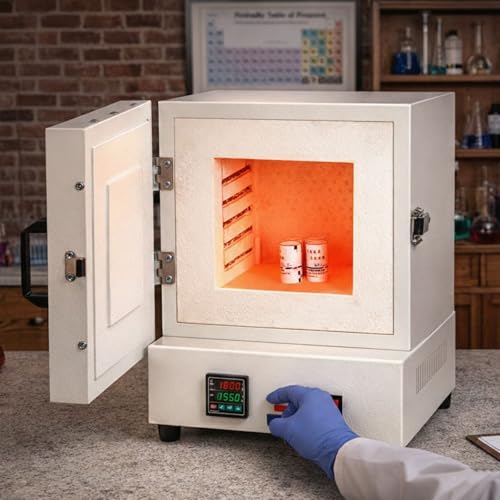
- Wide 0–2102℉ / 1150℃ digital temperature range
- Four-sided heating for more even firing
- Compact chamber for small batch studio work
Best For: Home makers who need one compact kiln for pottery, jewelry, burnout, and other high-heat jobs.
Best for Versatile Crafting

- PID digital control for accurate temperature management
- 1500W power with even four-sided heating
- Works for pottery, glaze, jewelry, and metal casting
Best For: Makers who want one compact kiln for ceramics, jewelry, and small metal projects.
Best for Uniform Heating
2000W Electric Kiln for Pottery at Home
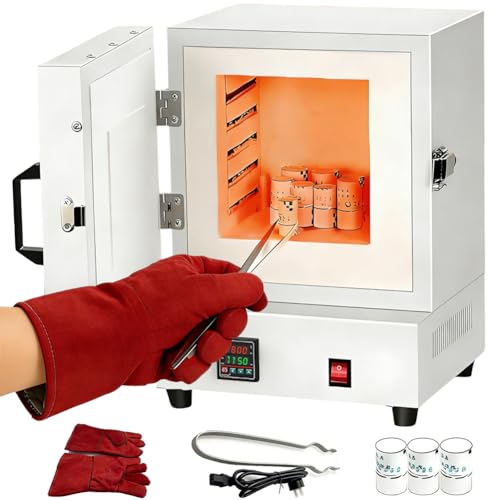
- 4-sided heating for more even firing
- 0 to 1150℃ range suits ceramics and glass
- Compact chamber for small-batch projects
Best For: Hobbyists who want a compact kiln for pottery, glazing, and small jewelry or glass projects.
Best for Programmable Firing
VEVOR 1500W Programmable Electric Kiln

- Up to 9 ramp stages for precise firing control
- 1500W heating for faster, more even performance
- Works for pottery, metal clay, wax casting, and more
Best For: Hobbyists and small-shop users who want a compact, programmable kiln for pottery and mixed-material projects.
Best for Fast Firing
1500W Benchtop Kiln with PID Control

- Rapid 800°C heat-up in under 40 minutes
- PID digital control for precise firings
- Compact chamber for jewelry, clay, and glass
Best For: Potters and jewelry makers who need a fast-heating tabletop kiln for small batches.
Best for High-Heat Projects

- 1200°C max temperature for pottery, glass, and jewelry
- Digital controller with 1°C resolution
- Compact top-opening chamber fits tabletop setups
Best For: Makers who want a compact high-temperature kiln for pottery, glass, wax, and jewelry projects.
Best for Precision Heating
2000W Electric Kiln for Home Pottery

- 0–1150°C digital control with real-time monitoring
- 2000W power and four-sided heating for even results
- Compact chamber for small-batch pottery, glass, and jewelry
Best For: Makers who want a compact, multi-purpose kiln with precise digital control for pottery, metal clay, and small casting jobs.
Best for Fast Heating & Precision Control – 1500W Tabletop PID Muffle Furnace
If you need a tabletop pottery kiln that heats quickly and gives you tight temperature control, this 1500W electric kiln is a strong fit. Its compact 6″x6″x8″ chamber, four-sided heating, and digital PID controller make it practical for small ceramic pieces, metal clay, glass fusing, and burnout work.
Best For: Makers who want a compact tabletop pottery kiln for rapid firing, small batch work, and precise digital temperature control.
Pros:
- Reaches 800°C (1472°F) in under 40 minutes for fast project turnaround
- PID controller offers accurate, repeatable temperature settings with live monitoring
- Triple-layer insulation helps protect the workspace and retain heat efficiently
- 6″x6″x8″ chamber fits small pottery, molds, jewelry, and casting projects
Cons:
- Too small for larger pottery pieces or higher-volume ceramic production
- Better suited to specialty firing than all-purpose studio use
This tabletop pottery kiln stands out more for speed, control, and versatility than raw capacity, so it makes the most sense for artists working on smaller projects. If that matches your studio needs, it offers a compelling mix of compact size and professional-style firing control.
Best Microwave Option – Crabcut Large Microwave Kiln Kit
If you want a compact tabletop pottery kiln for small glass and ceramic projects, this microwave kiln kit is a practical place to start. It includes the kiln, 50 sheets of kiln paper, and heat-resistant gloves, so you can begin experimenting with fusing and mini craft firing without buying extras right away.
Best For: Beginners and hobbyists who want an affordable, compact kiln setup for small glass fusing, jewelry, and tiny pottery-style projects.
Pros:
- All-in-one kit includes kiln paper and gloves for safer, easier setup
- Compact size fits small pendants, charms, and mini ceramic pieces
- Fast microwave heating can complete projects in about 6–8 minutes
- Ceramic-fiber construction is made for repeated small-batch crafting
Cons:
- Only suitable for small projects, not full-size pottery
- Requires a microwave, so it is less flexible than a standalone electric kiln
- Learning curve can still exist for getting consistent fusing results
This is a smart pick if your goal is a tabletop pottery kiln-style solution for small creative work rather than larger ceramic firing. It trades capacity for convenience, making it a good fit for occasional use, beginner practice, and tight spaces.
Best for Metal Clay & Casting – VEVOR 1500W Desktop Electric Kiln
If you want a tabletop pottery kiln that can also handle casting and small-scale heat work, this VEVOR desktop furnace brings strong power, PID temperature control, and a compact footprint. It’s a practical pick for artists who need one machine for clay-related glazing, metal clay, wax casting, and tempering tasks.
Best For: Makers who need a versatile desktop furnace for pottery-adjacent projects, jewelry casting, and controlled heat treatment.
Pros:
- 1500W heating with up to 1200°C capability for faster melt and heat cycles
- PID digital control helps maintain more consistent temperatures
- Compact tabletop design works well for home studios and workshops
- Useful for wax casting, metal clay, glazing, and tempering tasks
Cons:
- Not a dedicated full-size pottery kiln for larger ceramic loads
- Better suited to small projects than batch production
- Weight and size may still be bulky for very tight workspaces
This is a versatile tabletop pottery kiln option if your priorities include precision, multi-use capability, and desktop convenience over maximum chamber size. It’s especially appealing for makers who want a compact furnace that can support both creative and technical heat-treatment work.
Best for High-Heat Studio Work – 2000W Electric Kiln for Pottery at Home
If you need a tabletop pottery kiln that can do more than basic clay firing, this 2000W muffle furnace is built for high-heat studio tasks like ceramic work, wax burnout, metal clay, and small batch casting. The digital controller and four-sided heating make it easier to hold steady temperatures for projects that need consistency.
Best For: Home potters, jewelry makers, and makers who want one compact kiln for ceramics, burnout, and small heat-treatment jobs.
Pros:
- 0–2102℉ / 1150℃ digital control supports a wide range of firing and heat-treating tasks.
- Four-sided surround heating helps improve temperature consistency across the chamber.
- Compact 16 x 16 x 13.8 cm cavity is useful for small batch work without taking over a studio.
- Versatile enough for pottery, glass fusing, jewelry casting, and lab-style projects.
Cons:
- Small chamber size limits larger pottery pieces and bigger production runs.
- At 44.1 pounds, it is not especially easy to move often.
- More of a multi-use muffle furnace than a traditional hobby tabletop pottery kiln.
Overall, this is a strong pick if you want a tabletop pottery kiln with real high-temperature range and flexibility for mixed-material studio work. It fits best when precision and versatility matter more than large ceramic capacity.
Best for Versatile Crafting – Garvee 1500W Electric Kiln
If you want a tabletop pottery kiln that can do more than basic ceramic firing, the Garvee Electric Kiln stands out for its mix of fast heat-up, digital control, and multi-use capability. It’s aimed at hobbyists who need a compact unit for pottery, glaze work, jewelry making, metal casting, and small DIY projects.
Best For: Makers who want one tabletop kiln for ceramics, jewelry, and small metalwork projects at home.
Pros:
- PID digital temperature control helps maintain steady, accurate firing
- 1500W heating and four-sided heat distribution support faster, more even results
- Includes gloves and tongs for immediate use out of the box
- Dual cooling features help manage heat and extend service life
Cons:
- 48.5-pound weight makes it less portable than lighter tabletop units
- Designed for small-scale work, not large pottery pieces
- Best suited to users comfortable with higher-heat craft applications
For buyers who need a tabletop pottery kiln that can handle mixed-use creative work, this Garvee model offers a strong balance of control, speed, and flexibility. It’s especially appealing if you want a compact kiln that can move between ceramics and metal-focused projects without needing a separate machine.
Best for Uniform Heating – 2000W Electric Kiln for Pottery at Home
If you want a tabletop pottery kiln that prioritizes even heating and simple temperature control, this 2000W electric unit is a practical pick for home studios. Its four-sided surround heating, digital display, and compact chamber make it easier to manage small ceramic, glass, and jewelry projects without taking up much space.
Best For: Hobbyists and small-batch makers who need a compact kiln for pottery, glazing, wax casting, and light metalwork at home.
Pros:
- 4-sided surround heating helps reduce hot spots and uneven firing.
- 0 to 1150℃ temperature range supports ceramics, glass fusing, and metal melting tasks.
- 2000W heating and sealed furnace design help it heat up efficiently.
- Compact 6.3 x 6.3 x 5.4 in chamber works well for small batches.
Cons:
- Small interior limits larger pottery pieces and higher-volume work.
- More of a specialty workshop tool than a general-purpose kiln.
- Weight and size may still be a factor for very tight workspaces.
Overall, this tabletop pottery kiln is a solid fit if you care more about controlled heat and versatility than maximum chamber size. It’s especially appealing for makers who split their time between ceramics, jewelry, and other small heat-processing jobs.
Best for Programmable Firing – VEVOR 1500W Programmable Electric Kiln
If you need a tabletop pottery kiln that can handle more than basic warming or simple clay projects, this VEVOR model stands out for its multi-stage programming and 1200°C max heat. It’s a practical pick for makers who want tighter control over firing cycles, metal clay work, glaze testing, and small-batch craft production.
Best For: Hobbyists and small-shop users who want a compact, programmable kiln for pottery, metal clay, wax casting, and mixed-media projects.
Pros:
- Up to 9 programmable ramp stages for more precise firing and heat treatment
- 1500W power with embedded heating elements for faster, more even heating
- Includes tongs and heat-proof gloves, so it’s ready for basic setup out of the box
- Versatile enough for ceramics, jewelry work, metal tempering, and wax casting
Cons:
- At 38.6 pounds, it’s not especially easy to move around
- Digital controls add flexibility, but the learning curve may be more than a simple kiln
- Better suited to small desktop jobs than larger pottery pieces
Overall, this tabletop pottery kiln makes the most sense if you value programmable control and multi-use capability over pure simplicity. It’s a strong fit for makers who need one compact furnace that can support several different materials and firing styles.
Best for Fast Firing – 1500W Benchtop Kiln with PID Control
If you want a compact tabletop pottery kiln that heats quickly and gives you tight control over results, this 1500W benchtop unit is built for small studio work. It reaches 800°C in under 40 minutes, uses four-sided heating for more even firings, and adds PID digital control for repeatable clay, glaze, and jewelry projects.
Best For: Potters, jewelry makers, and DIY artists who need a fast-heating tabletop kiln for small-batch firing, casting, and glass work.
Pros:
- Heats to 800°C quickly for efficient studio sessions
- Digital PID control helps dial in accurate temperatures
- Four-sided heating supports more even firing results
- Compact 6″ x 6″ x 8″ chamber suits benchtop use
Cons:
- Small chamber limits larger pottery pieces
- Not the right choice for high-volume production work
- Best suited to small projects rather than full-size ware
As a tabletop pottery kiln, this model makes the most sense for makers who value speed, precision, and a small footprint over large capacity. It’s a practical fit for home studios that need one compact furnace to handle ceramics, enameling, metal clay, and glass fusing.
Best for High-Heat Projects – PYY 1500W Digital Kiln
If you need a compact tabletop pottery kiln that can also handle glass fusing, jewelry, and small metalwork, this PYY model offers a strong mix of heat output and simple digital control. Its 1200°C max temperature and 1500W heating system make it more versatile than many entry-level desktop kilns, while still staying small enough for home use.
Best For: Makers who want a compact high-temperature kiln for pottery, glass, wax, and jewelry projects.
Pros:
- Reaches up to 2200°F/1200°C for a wide range of small-scale firing tasks
- Digital controller with 1°C resolution helps you set and monitor firings precisely
- Top-opening, 150 × 150 × 140 mm chamber is practical for tabletop use
- Includes safety-focused features like timed shutoff and over-temperature protection
Cons:
- Small chamber limits it to jewelry, miniatures, and compact pottery pieces
- Requires a well-ventilated, fire-resistant setup and careful operation
- Not the best choice if you need a larger kiln for frequent batch firing
Overall, this tabletop pottery kiln stands out for buyers who want real high-temperature capability without moving up to a full-size studio unit. It is a good fit if you value versatility, digital control, and a space-saving footprint more than large firing capacity.
Best for Precision Heating – 2000W Electric Kiln for Home Pottery
If you need a tabletop pottery kiln that prioritizes temperature accuracy, fast heat-up, and flexible use for small projects, this 2000W model is worth a look. It reaches up to 1150°C and uses four-sided heating for more even firing, making it a practical pick for jewelry, glass, ceramics, and other compact studio tasks.
Best For: Makers who want a compact, multi-purpose kiln with precise digital control for pottery, metal clay, and small casting jobs.
Pros:
- Digital control with real-time temperature monitoring and a wide 0–1150°C range
- 2000W heating and sealed door design help it heat quickly and reduce heat loss
- 16 × 16 × 13.8 cm chamber suits small-batch firing and tabletop studio use
- Includes heat-resistant gloves and tongs for immediate setup
Cons:
- Too small for larger pottery pieces or production-scale firing
- More specialized than a simple hobby kiln, so there is a learning curve
- Mainly aimed at small workpieces rather than full dinnerware sets
As a tabletop pottery kiln, this one stands out more for precision and versatility than raw capacity. It makes the most sense for users who want reliable, high-temperature control in a compact footprint for mixed creative or workshop tasks.
How We Picked the Best Tabletop Pottery Kiln
We focused on Tabletop Pottery Kiln options that make sense for home users and small studios: compact footprints, usable chamber capacity, clear digital controls, and temperature ranges appropriate for clay work and related firing tasks. We also looked for models with practical safety features, stable construction, and straightforward operation.
Quick Comparison
Use the comparison section above to narrow choices by maximum temperature, controller type, wattage, and whether the unit is better suited to ceramics, glaze work, jewelry, glass, or metal-related tasks. In general, higher wattage can mean faster heat-up, while programmable controllers offer more consistency for repeatable results.
Key Buying Factors for a Tabletop Pottery Kiln
Maximum Temperature
Match the kiln’s top temperature to your materials. For clay and glaze work, make sure the unit can reach the firing range your projects require with some margin to spare.
Interior Size and Shape
A compact Tabletop Pottery Kiln should still accommodate your tallest or widest pieces. Check internal dimensions, not just external size, if you plan to fire mugs, tiles, small sculptures, or test batches.
Controller Type
Digital PID or programmable controllers are a major advantage for consistent results. They help maintain more accurate firing schedules than basic manual setups, especially if you need repeatable heat ramps and holds.
Power and Electrical Requirements
Wattage affects how quickly the kiln heats and how well it holds temperature. Also confirm whether your workspace supports the required outlet and circuit load before buying.
Materials and Build Quality
Look for durable exterior construction, quality insulation, and heat-resistant components. A well-built unit will be more efficient, more stable, and easier to use over time.
Who Should Buy Which Tabletop Pottery Kiln?
If you are a beginner or hobbyist, prioritize a simple digital model with easy controls and a modest chamber size. If you want more consistent ceramic results, choose a programmable Tabletop Pottery Kiln with multi-stage temperature settings. Makers who also work with glass, jewelry, or metal casting may prefer a versatile high-heat unit that can handle multiple materials, even if it is less specialized for pottery alone.
If your main goal is reliable home use, the safest bet is the kiln that best matches your project size, power setup, and firing temperature needs rather than the one with the highest maximum temperature on paper.