
The best camera drone systems for photographers combine dependable flight control with sharp video, stable footage, and practical features such as GPS return-to-home and automated flight modes.
We selected 10 options ranging from lightweight DJI drones to larger GPS models with long advertised flight times, helping you match camera quality, portability, safety features, and budget to your shooting style.
Best 10 Camera Drone Systems for Photographers Picks for 2026
Best Lightweight Pick

- Under 249 g with 4K video and a 3-axis gimbal
- Two batteries provide up to 62 minutes of stated flight time
- 10 km transmission, GPS Return to Home, and QuickShots
Best For: Beginners and travelers wanting a portable 4K drone with extra battery life
Best Obstacle Avoidance

- 4K camera with 3-axis gimbal and electronic stabilization
- 360° LiDAR obstacle detection supports safer assisted flight
- Up to 47 minutes of stated flight time and a built-in-screen controller
Best For: Beginners who want automated flight help and collision-detection features
Best Long-Flight Camera Features

- Claimed 6K photos, 18MP stills, and 4K/30fps video
- 3-axis brushless gimbal with GPS smart flight modes
- Up to 70 minutes of stated total flight time
Best For: Outdoor photographers prioritizing still resolution and extended sessions
Best Budget DJI Starter
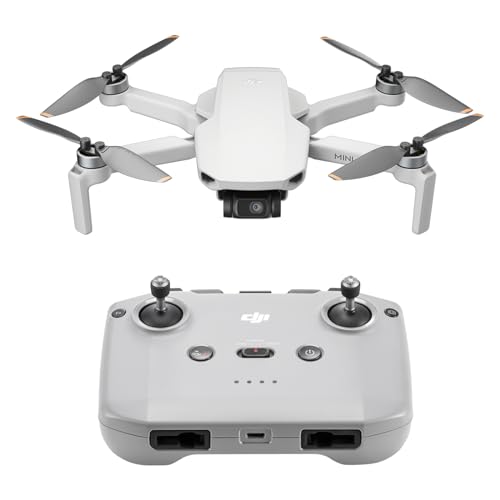
- Lightweight design with 4K video and a 3-axis gimbal
- 12MP stills with DNG/JPEG support and 10 km transmission
- GPS Return to Home and QuickShots simplify beginner flying
Best For: New pilots wanting an affordable, compact DJI 4K drone
Long-Range Feature Pick

- 4K camera with 3-axis gimbal and EIS
- Up to 90 minutes with two batteries
- Tablet controller and GPS creative flight modes
Best For: Long-range aerial shooting and feature-focused users
Beginner Creative Pick

- Adjustable 4K camera with 5GHz FPV
- Automated Follow Me and Waypoint modes
- Foldable under-250g design with two batteries
Best For: First-time users creating automated outdoor shots
Phone-Free GPS Pick

- 4.5-inch built-in screen; no phone required
- Adjustable 4K camera with GPS flight modes
- Two batteries offer up to 60 minutes total flight
Best For: Beginners and travelers wanting a phone-free controller
Long-Range Creator Option
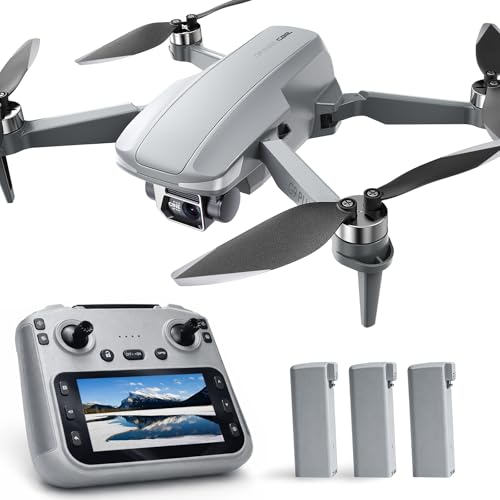
- 4.5-inch HD screen and 3,280-foot stated range
- Three batteries provide up to 90 minutes total
- EIS, GPS, Circle Fly, and Follow Me modes
Best For: Creators planning longer outdoor shooting sessions
Portable Beginner Favorite

- Phone-free 4.5-inch screen controller
- Adjustable 4K camera and GPS auto return
- Two batteries provide about 60 minutes total
Best For: Beginners wanting simple, portable aerial photography
Best Lightweight Pick – DJI Mini 4K Fly More Combo
For photographers seeking camera drone systems for photographers that are easy to carry and simple to operate, this DJI Mini 4K combo offers a practical starting point. Its 4K camera, 3-axis gimbal, GPS features, and two-battery setup support longer, steadier shooting sessions.
Best For: Beginners and travelers who want a lightweight 4K drone with extended flight time.
Pros:
- Under 249 g with beginner-friendly takeoff, landing, hovering, and GPS Return to Home.
- 4K video, 12MP stills, and 3-axis gimbal stabilization support smooth aerial footage.
- Two included batteries provide up to 62 minutes of stated maximum flight time.
- 10 km HD video transmission and QuickShots expand shooting options.
Cons:
- The DJI Fly app must be downloaded from DJI’s website rather than Google Play.
- The included controller uses a connected phone for viewing and app-based control.
This is a strong value-oriented system for photographers who prioritize portability, straightforward controls, and stabilized 4K footage. The combo’s extra battery makes it more practical for field work than the single-battery version.
Best Obstacle Avoidance – DCX Volo X EZ AI Drone
This DCX Volo X EZ AI is one of the more feature-focused camera drone systems for photographers, combining a 4K camera with AI-assisted flight and 360-degree obstacle detection. Its built-in-screen controller and long-flight battery are useful for pilots who want a more self-contained setup.
Best For: Beginners who value obstacle avoidance, automated flight assistance, and a controller with an integrated screen.
Pros:
- 4K camera with 3-axis gimbal and electronic image stabilization for smoother aerial footage.
- LiDAR-powered 360° obstacle detection is designed to help avoid collisions in tight spaces.
- Up to 47 minutes of stated flight time from the upgraded 6000mAh battery.
- AI features include Follow Me and automatic Precision Return-to-Home.
Cons:
- The camera’s foam padding must be removed before the first use to avoid restricting gimbal movement.
- The supplied notes do not specify still-image resolution or a removable-storage format.
With its smart controller, obstacle sensing, and night-oriented features such as a spotlight and Smart Night Mode, the Volo X EZ AI targets convenience more than manual camera customization. It is a sensible choice for newer pilots who want assistance during flight.
Best Long-Flight Camera Features – Bwine F7GIM 6K Photo Drone
Photographers comparing camera drone systems for photographers may appreciate the Bwine F7GIM’s emphasis on still-image resolution, long sessions, and GPS shooting modes. It combines claimed 6K photos, 4K/30fps video, a 3-axis brushless gimbal, and up to 70 minutes of total stated flight time across two flights.
Best For: Outdoor photographers who want high-resolution stills, extended battery coverage, and automated flight paths.
Pros:
- 18MP camera supports claimed 6K photos and 4K 30fps video.
- 3-axis brushless gimbal is designed to stabilize footage in wind and during faster flight.
- Follow, orbit, cruise-control, and waypoint modes support planned aerial shots.
- Two 35-minute flights provide up to 70 minutes of stated total flight time.
Cons:
- The digital transmission system requires a wired connection rather than Wi-Fi.
- Use of a MicroSD card is recommended, and Mac users may need to format it as MS-DOS (FAT).
- The supplied notes do not describe a built-in display on the remote controller.
The F7GIM stands out for photographers who care about still resolution and longer shooting windows. Its many smart modes and included case add field convenience, though the wired phone connection requires a little more setup than some alternatives.
Best Budget DJI Starter – DJI Mini 4K
The single-battery DJI Mini 4K is a straightforward option for photographers beginning to explore camera drone systems for photographers. It delivers 4K video, a 3-axis gimbal, GPS Return to Home, and QuickShots in a compact package designed for accessible aerial shooting.
Best For: Beginners seeking an affordable, lightweight DJI drone for occasional 4K photography and video.
Pros:
- Under 249 g and designed for easy takeoff, landing, hovering, and beginner operation.
- 4K video, 12MP stills, DNG/JPEG support, and 3-axis gimbal stabilization suit basic aerial workflows.
- 10 km HD transmission and stated Level 5 wind resistance support outdoor flying.
- QuickShots provide automated Helix, Dronie, Rocket, Circle, and Boomerang movements.
Cons:
- Only one battery is included, limiting shooting time to the stated 31-minute battery capacity.
- The DJI Fly app must be downloaded from DJI’s website because it is unavailable on Google Play.
This version offers the core Mini 4K imaging and flight features without the added batteries of the combo package. It is a sensible entry point for new pilots, especially those who prefer to add accessories later.
Long-Range Feature Pick – AE86 Pro Max 4K Drone
For photographers seeking camera drone systems for photographers with extended range and advanced flight features, the Bingchat AE86 Pro Max combines a 4K camera, 3-axis gimbal, EIS, GPS flight modes, and a large tablet-style controller. Its payload-release feature and obstacle-avoidance system add versatility beyond basic aerial photography.
Best For: Photographers who want long flights, a large-screen controller, and a broad set of creative and safety features.
Pros:
- 4K video camera with a 3-axis gimbal, EIS, 110-degree field of view, and 20x digital zoom.
- Two included batteries provide up to 90 minutes of stated flight time.
- Tablet controller supports Google Play apps, social media, and media playback.
- GPS features include follow-me, interest-point flight, surround shooting, and automatic return home.
Cons:
- The extensive feature set may be more than beginners need.
- Safety guidance recommends keeping the drone away from trees.
- The supplied notes emphasize 4K video rather than a high-resolution still-photo specification.
This is a feature-rich option for photographers who value endurance and control-screen convenience. Consider it when payload release, multiple shooting modes, and long-range operation matter as much as straightforward image capture.
Travel Photography Pick – Ruko U11MINI 4K
The Ruko U11MINI is a compelling choice among camera drone systems for photographers who travel light. It pairs a 1/2-inch 48MP CMOS sensor with 8K photos, 4K/30fps video, a 3-axis brushless gimbal, and a foldable under-249g design.
Best For: Travel photographers and beginners who prioritize image quality, portability, and extended battery time.
Pros:
- 1/2-inch 48MP sensor supports 8K photos and 4K/30fps video.
- 3-axis gimbal and EIS help produce smoother footage.
- Three batteries provide up to 96 minutes of stated flight time.
- Under-249g foldable body includes a carrying case and GPS auto return.
Cons:
- The stated 20,000-foot transmission range depends on conditions and an unobstructed connection.
- Its beginner-focused design may offer less specialized control than larger professional systems.
With its large sensor, high-resolution still capture, stabilization, and lightweight format, the U11MINI offers a balanced package for photographers who need a capable drone that is easy to pack and use.
Beginner Creative Pick – HK55 GPS 4K Drone
For shoppers comparing camera drone systems for photographers on a budget or at the beginner level, this foldable GPS quadcopter focuses on easy automated shooting. Its adjustable 4K camera, 5GHz FPV transmission, Follow Me, Waypoint Flight, Point of Interest, and Gesture Selfie modes support hands-free creative capture.
Best For: New drone users who want automated shooting modes for hiking, sports, camping, and everyday outdoor footage.
Pros:
- Electrically adjustable 4K camera supports flexible viewing angles.
- Follow Me, Waypoint Flight, Point of Interest, and Gesture Selfie simplify creative shots.
- GPS auto return helps respond to low power, signal loss, or out-of-range conditions.
- Foldable under-250g design includes a storage case and two batteries.
Cons:
- Two batteries provide a stated 32 minutes of total flight time, less than the other listed options.
- The notes do not specify a gimbal or high-resolution still-photo capability.
- Its emphasis is on beginner-friendly automation rather than advanced camera controls.
This drone makes the most sense for casual photographers who want simple automated compositions and easy portability. It is a practical entry point, but users pursuing stabilized professional footage may prefer a model with a specified gimbal.
Phone-Free GPS Pick – PRAGYM HC019 4K Drone
For photographers looking for camera drone systems for photographers without adding a smartphone to the setup, the PRAGYM HC019 combines a built-in 4.5-inch controller screen with a 4K camera and GPS flight features. Its adjustable lens, foldable design, and dual-battery setup make it practical for casual travel and outdoor shooting.
Best For: Beginners and travelers who want phone-free FPV viewing, GPS assistance, and extended flying time.
Pros:
- Built-in 4.5-inch screen removes the need for a phone or app.
- Adjustable 90-degree 4K camera supports flexible aerial framing.
- Two batteries provide up to 60 minutes of combined flight time.
- GPS return modes, Follow Me, Waypoint Flight, and Point of Interest add versatility.
Cons:
- The stated 60-minute flight time requires swapping between two batteries.
- Optical Flow positioning is intended for indoor hovering rather than GPS navigation.
The HC019 is a well-rounded entry point for aerial photography practice, especially if a dedicated controller screen is more convenient than phone-based controls. Its 220 g weight and foldable body also suit portable outdoor use.
Long-Range Creator Option – CHUBORY G9 Pluto 4K GPS Drone
The CHUBORY G9 Pluto is one of the more feature-heavy camera drone systems for photographers in this group, pairing a 4.5-inch HD controller display with GPS, EIS, and a claimed 3,280-foot control range. Three batteries and an included 32GB SD card make it ready for longer outdoor sessions.
Best For: Creators who prioritize extended sessions, a long stated control range, and built-in intelligent flight modes.
Pros:
- Built-in 4.5-inch HD display provides live FPV viewing without a phone.
- Three batteries are rated for up to 90 minutes of combined flight time.
- GPS, Auto Return, Circle Fly, and Follow Me support varied shooting approaches.
- Includes a 32GB SD card and a foldable, under-249g design.
Cons:
- The supplied details list the video capture resolution as 2K despite the product title’s 4K claim.
- No charger is included, according to the listed components.
- The 90-minute figure is total time across three batteries, not one continuous flight.
With EIS, a 90-degree adjustable camera, and a generous battery bundle, the G9 Pluto is appealing for longer creative outings. Buyers should verify the camera’s actual recording resolution and plan for the missing charger.
Portable Beginner Favorite – sllcll HC018 4K GPS Drone
The sllcll HC018 is a practical choice among camera drone systems for photographers who want straightforward operation and a dedicated viewing screen. It includes a 4.5-inch controller display, a 4K adjustable camera, GPS return functions, and a 4GB SD card for getting started quickly.
Best For: Beginners and casual photographers seeking a compact drone with phone-free control and simple automated flight features.
Pros:
- Built-in screen supports live viewing without smartphone pairing or app downloads.
- 90-degree adjustable 4K camera helps vary the shooting angle.
- GPS offers one-key, low-battery, and signal-loss return modes.
- Two batteries provide approximately 60 minutes of combined flight time.
Cons:
- The advertised 60 minutes requires using both included batteries.
- At 220 g, it is under 249 g but is not the lightest option in this selection.
- Its included storage is a 4GB SD card, which may fill quickly with high-resolution footage.
The HC018 balances beginner-friendly controls with useful creative modes such as Tap Fly, Point of Interest, Waypoint Fly, and gesture photography. It is a sensible portable option for learning aerial shooting without relying on a phone.
How We Picked These Camera Drone Systems for Photographers
We focused on the features that most directly affect aerial photography: camera resolution, gimbal or electronic stabilization, flight reliability, transmission range, battery capacity, portability, and ease of control. We also considered useful tools such as GPS positioning, auto return-to-home, obstacle avoidance, subject-following modes, waypoint flight, and optical-flow hovering.
Advertised specifications can vary by environment, flight mode, wind, and local regulations. Treat claimed transmission distances and total flight times as best-case figures, and confirm what is included in each package before buying.
Quick Comparison
| Best For | Look For | Strong Match From This Roundup |
|---|---|---|
| Travel photography | Under-249-gram design, foldable body, compact batteries | DJI Mini 4K models |
| Stable video | Three-axis gimbal and reliable transmission | DJI Mini 4K Combo or Bwine F7GIM |
| Long shooting sessions | Multiple batteries and high claimed flight time | Ruko or multi-battery GPS models |
| Beginner-friendly flying | GPS, auto return, optical flow, and simple controls | GPS foldable drones with screen controllers |
| Safer automated flight | Obstacle sensing and intelligent flight modes | DCX Volo X EZ AI |
Key Buying Factors for Camera Drone Systems for Photographers
Camera and Stabilization
A high-resolution label does not guarantee better images. A three-axis mechanical gimbal generally provides smoother video than software stabilization alone, while sensor size, lens quality, dynamic range, and usable manual controls matter for still photography. Check whether “8K” or “6K” refers to photos, video, or an interpolated mode.
Weight, Portability, and Regulations
Sub-249-gram drones are especially attractive for travelers because they are easy to pack and may have simpler registration requirements in some regions. Rules differ by country and can still include limits on altitude, location, line of sight, and commercial use, so check local aviation guidance before flying.
Flight Safety and Control
GPS positioning, automatic return-to-home, low-battery warnings, and stable hovering reduce pilot workload. Obstacle avoidance can add protection, but it is not a substitute for visual line of sight or careful route planning. A controller with a built-in screen may be convenient, while phone-based systems are often lighter and easier to update.
Batteries and Real-World Endurance
Compare included batteries rather than relying only on a headline flight-time figure. Wind, cold temperatures, payload, and aggressive flying reduce endurance. Spare batteries, charging hubs, replacement props, and an available service network can be more valuable than a small increase in camera resolution.
Who Should Buy Which Camera Drone Systems for Photographers?
Choose a DJI Mini 4K model if portability, dependable stabilization, and a compact sub-249-gram design are your priorities. The Combo package is the better fit for longer outings when it includes additional batteries and charging accessories.
Choose the DCX Volo X EZ AI if obstacle avoidance and automated assistance are more important than minimizing size. Choose the Bwine F7GIM if you want a gimbal-equipped option with strong advertised photo and video resolution.
Choose a Ruko or GPS screen-controller drone if you value long advertised endurance, a dedicated display, and beginner-oriented flight features. These larger models can suit backyard practice, scenic footage, and casual family use, but verify camera stabilization and app support before purchase.
For the best result, prioritize stable footage, trustworthy controls, and spare-battery availability over inflated resolution claims. The right system is the one you can transport easily, fly legally, and operate confidently in the conditions where you plan to shoot.