
Turning a spare room into a productive home studio takes more than a desk. The right wall system can organize equipment, improve acoustics, define work zones, and make the room feel finished.
We compared modular workflow panels, room-divider systems, self-adhesive acoustic tiles, and decorative wood slat panels to help you choose a practical solution for your layout, sound needs, and budget.
Best 10 Home Office Wall Systems for Home Studios Picks for 2026
Flexible Studio Zoning

- 70-by-70-inch modular divider
- PET and frosted acrylic panel options
- Integrated cable management
Best For: Dedicated home studios needing configurable separation
Decorative Acoustic Treatment
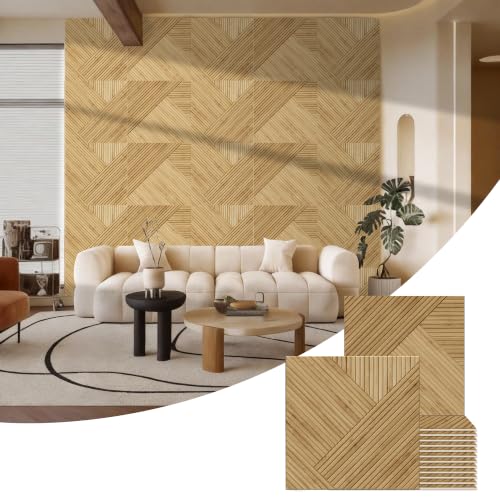
- Six large 23.6-inch panels
- High-density polyester construction
- Wood-grain decorative finish
Best For: Studios needing broad, stylish sound absorption
Collaborative Studio Divider
Luxor Modular Wall with Whiteboard

- 53-by-70-inch starter wall
- Built-in whiteboard and cable tray
- Connects to add-on walls
Best For: Studios combining workspace separation and planning
Budget-Friendly Sound Treatment

- 18 self-adhesive 12-inch tiles
- Covers 17.4 square feet
- Cuttable brick-style polyester design
Best For: Small studios needing decorative echo reduction
Flexible Studio Partition

- Rearrangeable straight or 90-degree layouts
- PET panels absorb 85% of passing ambient noise
- Frosted acrylic preserves natural light
Best For: Flexible home studio zoning and visual separation
Warm Acoustic Finish

- Four panels cover 31 square feet
- Felt backing helps reduce echoes
- Fluted walnut design adds decorative texture
Best For: Decorative acoustic treatment in recording and podcast rooms
Warm Acoustic Upgrade

- Four-panel set covers about 31 sq. ft.
- Polyester fiber, MDF, and wood veneer construction
- Cuttable; installs with adhesive or screws
Best For: Customizable acoustic treatment for warm-looking home studio walls
High-Coverage Sound Control

- Six panels cover about 46.8 sq. ft.
- Stated NRC rating of 0.75
- Includes screw kit for basic-tool installation
Best For: Broad acoustic coverage in modern home studios and offices
Full-Height Feature Wall
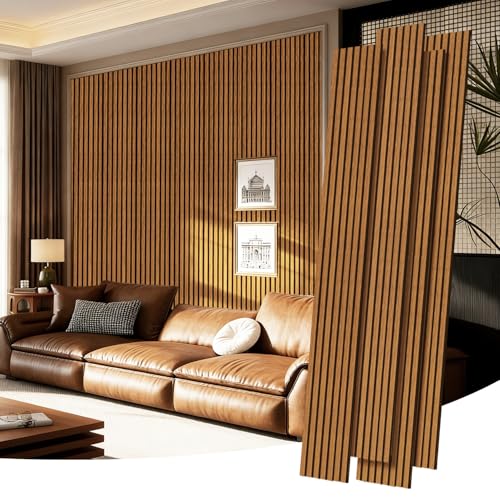
- Tall 92.5-inch panels suit vertical feature walls
- Four-pack covers about 28.3 sq. ft.
- Low-VOC MDF and polyester felt construction
Best For: Vertical studio accents and tall DIY acoustic treatments
Flexible Studio Zoning – Workflow Wall Panels
For home office wall systems for home studios, the Stand Up Desk Store Workflow Wall Panels provide a substantial modular setup for dividing and organizing a workspace. The 70-by-70-inch system combines configurable panels, integrated cable management, and options for reducing visual and acoustic distractions.
Best For: Home studios that need a configurable work zone, cable organization, and partial sound and visual separation.
Pros:
- Modular panels can be arranged in a straight line or at a 90-degree angle.
- PET fabric panels absorb 85% of the ambient noise that passes through them, according to the supplied specifications.
- Frosted acrylic panels reduce visual distractions while allowing natural light through.
- Includes integrated cable management and a five-year limited warranty.
Cons:
- The 70.5-pound system is substantial and may require careful setup.
- Its 70-by-70-inch footprint may be too large for compact studios.
This is a strong choice when you want a freestanding, reconfigurable studio divider rather than decorative sound-treatment tiles. Its larger size and modular design make it better suited to dedicated rooms with space for a defined work zone.
Decorative Acoustic Treatment – BUBOS Wood-Grain Panels
These BUBOS panels are a practical option for home office wall systems for home studios when acoustic treatment and visual polish matter equally. The six large polyester panels use a wood-grain print and are designed to reduce mid-to-high frequency reflections and flutter echoes.
Best For: Recording, voice, video-call, and gaming spaces that need broad wall coverage with a decorative finish.
Pros:
- Six large 23.6-by-23.6-inch panels provide nearly 24.5 square feet of stated coverage.
- High-density polyester is described as odorless, impact-resistant, and resistant to crumbling.
- Wood-grain styling can complement modern offices, studios, and home theaters.
- Offers adhesive installation plus trace-free wall-nail mounting for certain surfaces.
Cons:
- The supplied information focuses on sound absorption rather than complete soundproofing.
- Adhesive installation may not suit every wall surface despite the alternate mounting method.
Choose these when you want a finished, furniture-friendly look instead of exposed foam. The large format can reduce visible seams and installation time, while the polyester construction is positioned for long-term everyday use.
Collaborative Studio Divider – Luxor Modular Wall with Whiteboard
The Luxor Modular Room Divider is suited to home office wall systems for home studios that need a defined workstation plus a surface for planning or notes. Its 53-by-70-inch starter wall combines a whiteboard, configurable PET and frosted acrylic panels, and built-in cable management in a sturdy floor-mounted frame.
Best For: Home studios used for collaborative work, teaching, brainstorming, or focused work that benefits from a whiteboard.
Pros:
- Whiteboard surface supports note-taking, ideation, and project planning.
- PET and frosted acrylic panels can be arranged to balance privacy and openness.
- Starter wall connects to add-on walls at different angles.
- Aluminum frame, steel feet, cable management, and a five-year limited warranty support practical office use.
Cons:
- The starter wall is a single 53-by-70-inch unit, so larger layouts require add-on walls.
- Its floor-mounted design needs adequate floor space rather than simple wall installation.
This system makes the most sense when your studio serves more than one purpose. It provides room separation and organization while adding a writable planning surface, though expanding the layout will require additional compatible walls.
Budget-Friendly Sound Treatment – Brick Acoustic Panels
For a flexible approach to home office wall systems for home studios, this 18-pack of brick acoustic panels adds sound absorption without requiring a large divider structure. The self-adhesive polyester tiles cover 17.4 square feet and can be cut or arranged into custom patterns.
Best For: Small recording studios, offices, streaming spaces, and home theaters needing accessible wall-mounted echo reduction.
Pros:
- High-density polyester panels are designed to absorb reflections and echo.
- Self-adhesive backing supports installation without additional tools.
- Brick styling provides a decorative alternative to plain acoustic treatment.
- Individual tiles can be cut and arranged into different shapes.
Cons:
- The 18-piece pack covers 17.4 square feet, less than the larger panel systems in this roundup.
- Removing the adhesive requires heating the panels with a hair dryer to help protect the wall.
- These are sound-absorbing panels, not a complete room-divider system.
This is the simplest pick for treating a limited wall area or creating a patterned accent. It works well when you want lightweight, tool-free installation and decorative coverage, but larger studios may need multiple packs.
Flexible Studio Partition – Modular Wall System
For home office wall systems for home studios, this modular partition is a practical choice when you need to separate work areas without committing to a permanent wall. Its 70-by-70-inch layout can be arranged in a straight line or at a 90-degree angle, making it useful for evolving studio setups.
Best For: Home studios that need flexible room division, visual separation, and some ambient-noise reduction.
Pros:
- Rearrangeable modular design supports multiple configurations.
- PET fabric panels absorb 85% of ambient noise that passes through them.
- Frosted acrylic panels reduce visual distractions while allowing natural light through.
- Integrated cable-management trays help keep cords off the floor.
Cons:
- At 66.1 pounds, it is less convenient to move than lightweight wall panels.
- The 70-by-70-inch footprint may require substantial floor space.
- It is a partition system rather than a conventional wall-mounted acoustic treatment.
This is the most versatile option of the three for creating a defined studio zone. Choose it when layout flexibility and separation matter more than a decorative wall finish.
Warm Acoustic Finish – Walnut Wood Slat Panels
These walnut slat panels bring a more finished architectural look to home office wall systems for home studios. The four-panel set covers 31 square feet and combines a fluted wood design with acoustic felt backing to help reduce echoes.
Best For: Recording studios, podcast rooms, offices, and media spaces that need decorative acoustic treatment.
Pros:
- 31-square-foot coverage suits accent walls or broader room treatment.
- Acoustic felt backing absorbs sound waves and helps reduce echoes.
- 3D fluted walnut design adds texture and visual warmth.
- Can be mounted with screws, nails, or construction adhesive.
Cons:
- Installation hardware is not included.
- The 28.9-pound package may require careful handling during mounting.
- Panels are less easily reconfigured once attached to the wall.
For a studio where appearance matters alongside sound control, this is the strongest decorative option. Plan the layout and mounting method in advance because the installation is more permanent than adhesive-mounted tiles.
Easy Studio Backdrop – Textured Acoustic Panels
For an affordable, low-effort approach to home office wall systems for home studios, this six-pack offers a lightweight decorative backdrop. The grooved polyester-fiber panels can be arranged into continuous lines or creative layouts and mounted with the included adhesive dots.
Best For: Home office backdrops, creative studios, and renters who want lightweight decorative wall treatment without drilling.
Pros:
- Six 23.6-by-23.6-inch panels provide a 6-by-4-foot treatment area.
- Included double-sided adhesive dots enable tool-free installation.
- Grooved texture offers a more decorative alternative to plain acoustic foam.
- Odorless polyester fiber is designed for indoor use.
Cons:
- Adhesive mounting may provide less stability than screws or nails.
- The panels are described as soundproofing decor, so they should not be treated as full room soundproofing.
- Coverage is smaller than the walnut four-panel set.
This is the simplest pick for adding texture behind a desk or creative workstation. It favors fast installation and flexible styling over the heavier-duty acoustic treatment or room separation offered by the other options.
Warm Acoustic Upgrade – TONOR Walnut Wall Panels
For home office wall systems for home studios, the TONOR four-pack combines a walnut wood veneer look with acoustic construction. Its polyester fiber and MDF layers are designed to improve room acoustics, while the panels can be cut and installed with adhesive or screws.
Best For: Home studios and offices needing a warm, customizable partial-wall acoustic treatment.
Pros:
- Uses high-density polyester fiber, MDF, and solid wood veneer for sound damping and a refined appearance.
- Four panels cover approximately 31 square feet.
- Can be cut to size and installed with adhesive or screws.
- Includes 35 screws for each two panels; the four-pack includes 70 screws.
Cons:
- Cutting and wall preparation are still required for a custom installation.
- The panel design may be more suitable for feature walls or targeted treatment than full-room coverage.
Choose this set when visual warmth and flexible installation matter as much as acoustic improvement. The walnut finish and cut-to-fit format make it practical for shaping a studio wall around desks, equipment, or other fixed features.
High-Coverage Sound Control – VEVOR Walnut Slat Panels
Among home office wall systems for home studios, the VEVOR six-pack stands out for its stated NRC 0.75 rating and broad coverage. The walnut slat design pairs high-density polyester fiber and MDF with a three-sided wood veneer for a polished, quieter workspace.
Best For: Home studios, offices, and other rooms needing broad acoustic coverage with a modern walnut finish.
Pros:
- Stated NRC rating of 0.75 for noise reduction and sound absorption.
- Six panels cover approximately 46.8 square feet.
- Combines polyester fiber, MDF, and three-sided wood veneer.
- Includes a screw kit and is designed for installation with basic tools.
Cons:
- The six-panel package weighs 40.6 pounds, so handling may require extra care.
- Installation is non-pasted and requires tools or separate mounting preparation.
This is the strongest fit of the three for buyers prioritizing stated acoustic performance and coverage. Its larger package can make planning easier for a wider studio wall, while the walnut slats help keep the treatment visually integrated.
Full-Height Feature Wall – Teak 3D Slat Panels
For home office wall systems for home studios, this teak four-pack offers a tall, narrow format suited to feature walls or partial treatments. The 3D slats and polyester felt backing are designed to reduce echo and ambient noise while adding texture and a professional finish.
Best For: Tall feature walls, vertical studio accents, and DIY acoustic upgrades where low-VOC materials are a priority.
Pros:
- Each panel measures 92.5 by 11 inches, creating a full-height visual effect.
- Four panels cover approximately 28.3 square feet.
- High-density MDF and polyester felt construction is described as durable and low VOC.
- Can be installed with adhesive or screws.
Cons:
- The four-pack covers less area than the larger VEVOR package.
- At 92.5 inches long, the panels may require careful measuring and handling.
- The supplied notes do not specify an NRC rating.
Consider this set when wall height and design impact are more important than maximum coverage. Its slim, tall panels can create a clean studio backdrop, while the felt-backed slat construction provides practical echo and ambient-noise reduction.
How We Picked the Best Home Office Wall Systems for Home Studios
We focused on how each option performs in a real home studio rather than treating every wall panel as interchangeable. Our comparison considers coverage, installation method, sound-control potential, modularity, appearance, and suitability for equipment-heavy workspaces.
Modular systems were assessed for their ability to organize tools, accessories, and work zones. Acoustic panels were considered for reducing reflections and excess room echo, while decorative slat and wood-look products were evaluated for combining visual warmth with sound absorption. We also considered whether a product is better suited to a permanent installation, a rental-friendly upgrade, or a flexible room divider.
Quick Comparison
- Best for organized workflows: Modular workflow wall panels with configurable storage and accessories.
- Best for flexible zoning: Freestanding or expandable divider systems that separate a desk, recording area, or meeting space.
- Best for reducing echo on a budget: Self-adhesive acoustic tiles and compact decorative panels.
- Best for a finished studio look: Walnut and wood-look slat panels that add texture while helping soften reflections.
- Best for broad wall coverage: Larger-format panel packs with fewer seams and faster installation.
Key Buying Factors for Home Office Wall Systems for Home Studios
Acoustic Performance
Most products in this category absorb or diffuse some sound; they do not fully soundproof a room. Look for thicker panels or products with a substantial acoustic backing if your priority is reducing voice reflections, monitoring bounce, or general room echo. For recording, combine wall treatment with rugs, curtains, and strategic placement rather than covering one wall at random.
Coverage and Layout
Calculate the square footage before buying. Check each panel’s dimensions and total pack coverage, then leave room for outlets, windows, doors, and monitor placement. Large panels install quickly, while smaller tiles make it easier to create patterns around existing features.
Installation and Reversibility
Self-adhesive panels are convenient but may affect paint or drywall when removed. Slat panels and modular systems typically need more planning, hardware, or a suitable mounting surface. If you rent, confirm the attachment method and consider removable mounting solutions where appropriate.
Function Beyond Appearance
A decorative panel will not automatically provide storage or cable management. Choose a workflow wall when you need organization, a divider when you need zoning, and acoustic treatment when sound control is the main goal. Also check whether accessories, shelves, hooks, or replacement panels are available.
Who Should Buy Which Home Office Wall Systems for Home Studios?
Choose a modular workflow wall if your studio supports frequent changes, multiple tools, or a standing-desk setup. Choose a room-divider system if you need to separate work from living space without building a permanent wall. Choose acoustic tiles for a lower-cost way to treat selected reflection points or improve a video-call background. Choose wood slat panels if visual design matters as much as moderate acoustic improvement and you want a polished feature wall.
Before ordering, measure the wall, identify your first-reflection points, verify the mounting requirements, and decide whether you need organization, privacy, sound absorption, or mainly an upgraded backdrop. That shortlist will make it easier to select the right Home Office Wall Systems for Home Studios without overspending on features you will not use.