
A well-sealed studio door can make a noticeable difference to noise control, temperature stability, and recording-room comfort. The right seal closes air gaps without making the door difficult to operate.
This roundup compares ten premium studio door seals, including acoustic kits, kerf-fit strips, silicone profiles, rubber gaskets, and aluminum compression systems. Use the guide below to match the seal design to your door and the size of the gap.
Best 10 Premium Studio Door Seals Picks for 2026
Studio Soundproofing Pick

- Treats up to four standard doors
- Includes seals and a door sweep
- Designed to reduce sound through door gaps
Best For: Studios and multi-door soundproofing projects
Flexible Surface-Sealing Pick
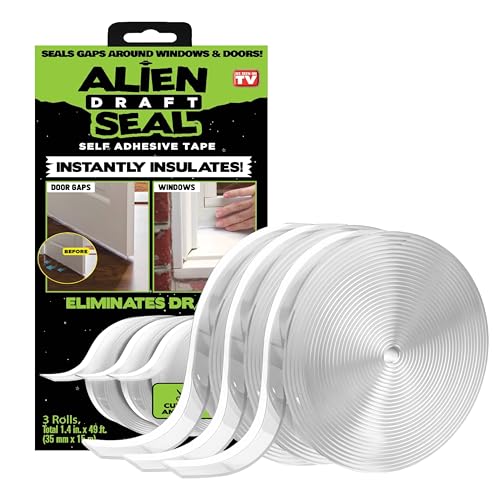
- Includes 49 feet of transparent tape
- Flexible, moisture-resistant silicone
- Works on many smooth surfaces
Best For: Discreet sealing around studio doors and windows
Adhesive-Free Studio Pick

- Includes 26 feet of seal
- Push-in installation needs no adhesive
- Fits 0.35- to 0.59-inch slots
Best For: Kerf-slot studio doors needing a removable seal
Replacement Door-Edge Pick
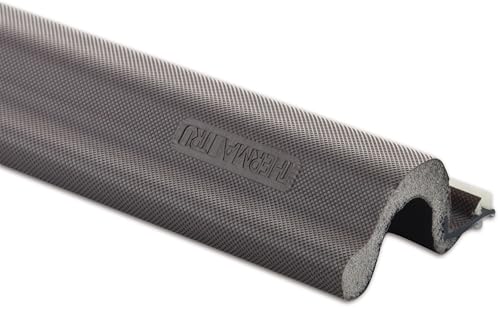
- Designed for compatible Therma-Tru doors
- Provides an 81-inch replacement strip
- Compression vinyl supports insulation and noise reduction
Best For: Lock-side replacement on specified Therma-Tru doors
Clean Kerf Replacement
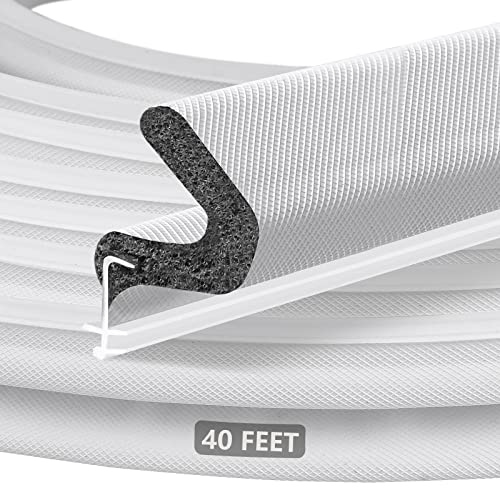
- Press-in fit for 1/8-inch kerfs
- Covers 1/4–1/2-inch gaps
- PE-covered PU foam construction
Best For: Grooved exterior door frames
Secure Silicone Coverage

- Two adhesive faces for added hold
- Flexible, clear silicone strip
- 20 feet with a 1.38-inch width
Best For: Clear sealing on exterior and garage doors
Premium Aluminum Pick

- Complete header-and-jamb kit for standard doors
- Durable anodized aluminum casing
- Adjustable neoprene compression seal
Best For: Home studios and exterior entry doors needing a permanent seal
Flexible Kerf Choice
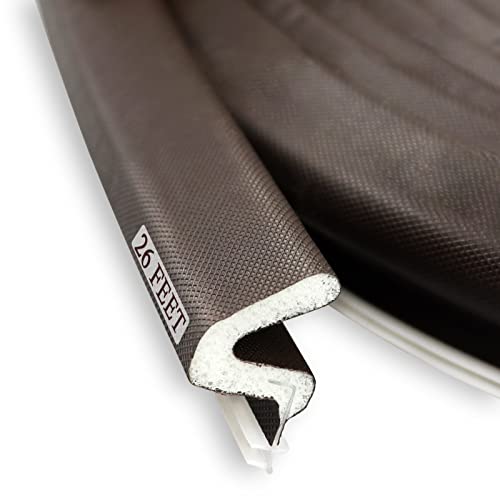
- 26 feet of cut-to-size material
- No-adhesive slot installation
- Resilient PU foam with PVC flange
Best For: Compatible kerf door and window frames
Large-Gap Solution

- 40 feet for extensive coverage
- Designed for larger 3/10- to 7/8-inch gaps
- Includes four supplemental gaskets
Best For: Large-gap doors with compatible kerf grooves
Studio Soundproofing Pick – Audimute Large Door Seal Kit
Audimute Soundproofing Acoustic Door Seal Kit - Door Sweep and Seal - (Large Size)
Check Price On AmazonFor premium studio door seals aimed at reducing sound transfer, the Audimute kit combines perimeter seals with a door sweep. Its included materials are designed to cover up to four standard-size doors and address gaps where sound can enter or escape.
Best For: Studios, apartments, and rooms with multiple standard doors needing a sound-focused sealing kit.
Pros:
- Includes two 50-foot door seals and one 25-foot door sweep.
- Designed to treat up to four standard-size doors.
- Easy to install and made from polyurethane.
Cons:
- The kit is intended for standard-size doors, so coverage may require checking before purchase.
- It addresses door gaps but does not replace broader room acoustic treatment.
This is the most complete option in the group for a multi-door studio project, especially when both the sides and bottom of doors need attention.
Flexible Surface-Sealing Pick – Alien Draft Seal
For premium studio door seals that can also handle windows and other smooth surfaces, the Alien Draft Seal provides 49 feet of transparent silicone tape. Its flexible flap is designed to close gaps while remaining moisture resistant and visually unobtrusive.
Best For: Studio doors or windows where transparent, adhesive-backed sealing material is preferred.
Pros:
- Provides 49 feet across three rolls.
- Flexible silicone resists creasing and hardening.
- Adheres to surfaces including painted wood, glass, metal, ceramic, fiberglass, and plastic.
- Can be measured and cut for doors, windows, and other gap-sealing uses.
Cons:
- Adhesive installation is less suitable if you want a no-residue or removable solution.
- The notes emphasize draft and gap sealing rather than dedicated studio soundproofing.
This is a versatile choice when discreet appearance and broad surface compatibility matter more than a dedicated door-sweep design.
Adhesive-Free Studio Pick – Ravinte Q-Shaped Door Seal
The Ravinte Q-shaped strip is a practical option among premium studio door seals when you want an adhesive-free installation. Its high-density foam core is designed to block light, drafts, dust, water, and some noise when fitted into compatible door grooves.
Best For: Doors with 0.35- to 0.59-inch kerf slots where a push-in seal is preferred.
Pros:
- Provides 26 feet of weather stripping.
- Installs by pushing into compatible grooves without adhesive.
- Designed to block light and help reduce drafts and noise.
- Flexible foam fits the specified 0.35- to 0.59-inch slot range.
Cons:
- Requires a compatible kerf slot, so door measurements are important.
- It may not work on doors without the required groove or recess.
Choose this model for a clean, replaceable installation, provided your studio door matches the listed kerf dimensions.
Replacement Door-Edge Pick – Therma-Tru 81-Inch Door Seal
This Therma-Tru replacement strip is a specialized option for premium studio door seals, intended for the lock side of compatible Fiber-Classic, Smooth Star, and steel doors. Its compression vinyl seal is designed to improve insulation and noise reduction along the door edge.
Best For: Compatible Therma-Tru entry doors with a bull-nose edge and a damaged or worn lock-side seal.
Pros:
- Supplied as a single 81-inch replacement piece.
- Kerf-applied installation fits into the top and sides of the jamb.
- Compression material springs back after the door opens.
- Foam-filled construction has a protective jacket for moisture and wear resistance.
Cons:
- Compatibility is limited to specified Therma-Tru door types and edge profiles.
- It is a single replacement piece rather than a complete multi-door kit.
This makes the most sense as a targeted replacement for a compatible entry door, not as a universal studio seal for any door frame.
Flexible Gap Coverage – 50-Foot D-Shape Rubber Seal
For larger gaps, this 50-foot D-shaped rubber strip is a practical option among premium studio door seals. Its 6 mm thickness suits gaps from 2.5 to 5.5 mm, while the included scissors make sizing straightforward.
Best For: Door or window frames with measured gaps in the recommended range, especially when you need a long roll for multiple projects.
Pros:
- Includes 50 feet of self-adhesive rubber stripping and tailor scissors.
- Designed to help reduce drafts, dust, outside sound, and temperature transfer.
- Flexible material is intended to resist freezing and cracking in extreme temperatures.
- Can also be used for furniture, cabinets, speakers, and other applications.
Cons:
- Requires careful gap measurement before purchase.
- Needs about 24 hours after installation for the adhesive to become very firm.
- The black finish may not suit every door or frame.
This is a versatile, high-quantity choice when a self-adhesive seal and coverage for larger gaps matter most. Confirm the gap dimensions and allow the adhesive to set before regular use.
Clean Kerf Replacement – 40-Foot White Door Seal
This press-in kerf seal is a strong candidate for premium studio door seals when the frame already has a compatible groove. Its PE-covered PU foam construction compresses and rebounds to help maintain a snug seal.
Best For: Pre-cut kerf frames with 1/8-inch slots and closed-door gaps measuring 1/4 to 1/2 inch.
Pros:
- Provides 40 feet of material that can be cut for multiple doors.
- Press-in design avoids adhesive and is suited to replacing worn or pet-damaged seals.
- Flexible foam helps reduce drafts, light leaks, outside noise, and energy loss.
- The white finish works well with many light-colored frames.
Cons:
- Only fits frames with compatible 1/8-inch kerf slots.
- It is not self-adhesive.
- Installation requires removing the old seal and cleaning the groove first.
Choose this model when your door frame has the correct kerf channel and you want a replaceable press-in seal. Measuring both the groove and door gap is essential before ordering.
Secure Silicone Coverage – Clear T-Shaped Door Seal
With two adhesive faces and flexible clear silicone, this T-shaped strip offers a stable approach to premium studio door seals. Its wider 1.38-inch profile is designed to attach along the door side and front while blending with different door colors.
Best For: Exterior or garage entry doors where a clear, flexible seal and two-sided adhesive hold are preferred.
Pros:
- Two adhesive surfaces provide a more secure hold during everyday use.
- Flexible silicone conforms to door gaps and may help reduce drafts, dust, and outside noise.
- Clear design blends with various door colors.
- The 20-foot strip is easy to measure and cut to length.
Cons:
- Requires a clean, dry mounting surface for installation.
- Adhesive may need brief warming with a hair dryer in cold weather.
- Gap size and mounting surface must be checked before ordering.
This is a useful choice when appearance and adhesive stability are priorities. Its T-shaped profile and wider coverage make accurate positioning especially important during installation.
Premium Aluminum Pick – Compression Seal Kit
For premium studio door seals that also handle exterior conditions, this aluminum compression kit offers a permanent frame-mounted solution. It includes one header seal and two jamb seals for a standard single door, with a neoprene bulb designed to compress against the door and help reduce drafts, dust, water, insects, and outside noise.
Best For: Home recording studios, entry doors, garages, and homeowners seeking a durable alternative to adhesive foam strips.
Pros:
- Complete 84 x 36-inch kit covers the top and sides of a standard door.
- Anodized aluminum casing is designed to retain its shape and finish through daily use.
- Neoprene bulb and extra lip help accommodate warped or uneven doors.
- Slotted screw holes allow fit adjustment during installation.
Cons:
- Requires screw installation rather than a peel-and-stick application.
- Designed for standard single-door frames, so unusual sizes may need additional planning.
This is the most substantial option in the group for a studio or entry door where long-term durability and adjustable compression matter more than the quickest installation.
Flexible Kerf Choice – 26-Foot Brown Seal
This kerf-style option is a practical choice when your door frame already has a compatible slot. The 26-foot roll uses a V-shaped PU foam seal with a PE cover and PVC flange, giving you plenty of material to cut for different door sizes without relying on adhesive.
Best For: Slotted wooden, sliding, screen, or glass doors, as well as windows and cabinets with compatible 1/4- to 9/16-inch grooves.
Pros:
- Generous 26-foot length can cover different-sized doors.
- Kerf installation requires no adhesive and can be cut with scissors.
- Resilient V-shaped foam is designed to recover after compression.
- PU, PE, and PVC construction offers tear and abrasion resistance.
Cons:
- Requires a door-frame slot within the stated compatible range.
- Brown coloring may not suit every studio or interior finish.
Choose this seal when compatibility with a kerf groove is already confirmed and you want a simple, cut-to-length installation for general draft, dust, and noise reduction.
Large-Gap Solution – 40-Foot Kerf Seal
For premium studio door seals intended for a larger or less uniform gap, this 40-foot kerf strip provides extra coverage and a widened sealing profile. Its V-shaped design has a droplet-shaped extension, while the PE surface, PU foam core, and PVC card slot are intended to support flexible, durable installation.
Best For: Doors with compatible grooves and larger gaps measuring roughly 3/10 to 7/8 inch, provided the frame groove matches the specified dimensions.
Pros:
- 40-foot length provides ample material for large doors or multiple applications.
- Designed to address wind, dust, water, light, and noise around door gaps.
- Extended V-shape helps broaden the sealing area.
- Includes four extra foam gaskets for cushioning or difficult door-closing situations.
Cons:
- Requires a compatible notched door-frame groove.
- Measurements should be checked carefully before purchase and installation.
- Black finish may be less discreet on light-colored frames.
This is the coverage-focused pick for larger gaps, but its fit depends heavily on measuring both the groove and the door gap before ordering.
How We Picked the Best Premium Studio Door Seals
We focused on door-sealing products that can address common studio problems: sound leakage, drafts, light gaps, dust, and inconsistent door contact. The selection includes adhesive-backed seals for simple retrofits, kerf-style replacements for compatible door frames, door sweeps for bottom gaps, and compression seals for more demanding installations.
We also considered usable length, profile shape, material, installation method, gap coverage, and likely compatibility with interior, exterior, and entry doors. Because a seal’s performance depends heavily on correct sizing, products were assessed as solutions for different door conditions rather than ranked by price alone.
Quick Comparison
| Seal type | Best for | Installation | Key consideration |
|---|---|---|---|
| Acoustic kit with sweep | Studios needing broad perimeter coverage | Adhesive or hardware-based | Check door thickness and sweep clearance |
| Kerf foam or silicone | Doors with an existing kerf channel | Push-fit replacement | Confirm channel and profile dimensions |
| D-shaped rubber or foam | General-purpose gap sealing | Self-adhesive | Surface must be clean and flat |
| Compression aluminum seal | Heavy-duty entry-door sealing | Screws or fitted hardware | Requires careful alignment |
| Door sweep | Gaps beneath the door | Adhesive or mounted | Measure the threshold gap first |
Key Buying Factors for Premium Studio Door Seals
Measure the Gap and Door Profile
Measure the visible gap at the top, sides, and bottom with the door closed. A seal that is too thin may leave leaks, while one that is too thick can prevent the latch from engaging or make the door hard to close. For kerf products, identify the channel width and depth before ordering.
Choose the Right Material
Silicone generally offers flexibility and long-term resilience. EPDM and other rubber compounds can provide durable compression and weather resistance. Foam is easy to install and useful for moderate gaps, but it may compress permanently over time. Aluminum compression systems are more substantial and can suit entry doors when a precise, durable installation is possible.
Seal the Entire Perimeter
Sound and air can pass through the smallest unsealed section. A perimeter gasket alone will not fix a large bottom gap, so pair it with a compatible sweep or threshold solution when necessary. Avoid blocking ventilation or emergency egress routes in rooms that require them.
Consider Installation and Reversibility
Adhesive seals are convenient for renters and quick upgrades, but they need a clean, dry surface and may leave residue. Kerf replacements look neater when compatible with the frame. Screw-mounted systems take more effort but can provide better long-term stability on frequently used doors.
Who Should Buy Which Premium Studio Door Seals?
- For a recording or rehearsal room: Choose an acoustic door kit that combines perimeter sealing with a bottom sweep.
- For a door with a kerf channel: Select a correctly sized kerf foam or silicone strip for the cleanest replacement.
- For a simple draft and light-gap fix: Use self-adhesive D-shaped rubber or flexible flap weather stripping.
- For a heavy exterior or entry door: Consider an aluminum compression seal or a purpose-made replacement gasket.
- For a large or uneven bottom gap: Prioritize a door sweep and verify threshold clearance before installing it.
The best Premium Studio Door Seals are the ones that fit consistently around the entire door without interfering with normal operation. Measure first, match the profile to the frame, and treat the bottom gap as a separate sealing problem when needed.