
Smooth handheld video no longer requires a full-size rig. The best portable camera gimbals combine compact designs with electronic stabilization, making them useful for travel, vlogging, family videos, and social content.
This roundup covers phone gimbals, pocket cameras with built-in stabilization, and lightweight camera gimbals for interchangeable-lens systems. Compare the options below, then use the buying guide to match features, size, and camera compatibility to your shooting style.
Best 10 Portable Camera Gimbals Picks for 2026
Best Pocket Camera

- 1-inch sensor with 4K/120fps recording
- 3-axis stabilization and ActiveTrack 6.0
- Compact 179-gram design with rotating screen
Best For: Travelers and first-time vloggers
Best Budget Phone Gimbal

- Foldable 0.79-pound smartphone stabilizer
- Detachable remote with 32.81-foot range
- 11-hour battery and AI tracking modes
Best For: Beginners and smartphone vloggers
Best Creator Bundle
DJI Osmo Pocket 3 Creator Combo
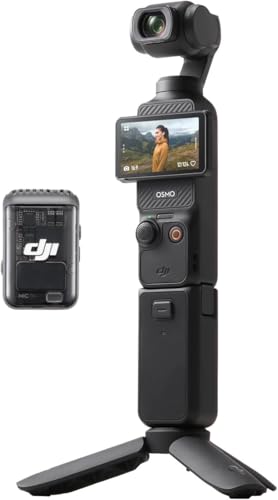
- 1-inch sensor and 4K/120fps video
- Includes DJI Mic 2 transmitter and battery handle
- 3-axis stabilization with ActiveTrack 6.0
Best For: Creators building a complete compact vlogging kit
Best Phone Gimbal Features

- 3-axis stabilization with 360-degree pan rotation
- Built-in extension rod and tripod
- 10-hour battery with phone charging
Best For: Mobile vloggers and livestreamers wanting integrated tracking and lighting
Starter Pocket Camera

- 4K video and 75MP photos
- 330° rotating lens for solo vlogging
- Wi-Fi and beginner-friendly accessory kit
Best For: Beginners and casual travel vloggers
Phone Gimbal Pick

- Three-axis stabilization for smartphones
- ActiveTrack 7.0 subject tracking
- Foldable 300g design with built-in tripod
Best For: Mobile creators and solo smartphone filmmakers
Pro Pocket Gimbal Camera

- 8K HDR video with dual Leica lenses
- Three-axis stabilization and AI tracking
- Detachable touchscreen with up to 4-hour battery life
Best For: Advanced vloggers and mobile filmmakers
Best Lightweight Camera Gimbal
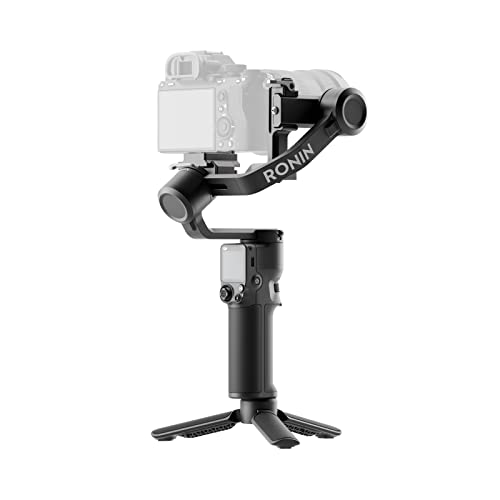
- 795g body supports up to 2kg of equipment
- Native vertical shooting for social content
- Three-axis stabilization with touchscreen controls
Best For: Travel filmmakers using compatible interchangeable-lens cameras
Best Pocket Vlogging Gimbal Camera

- 5K video and 80MP still photos
- Face tracking with 330° horizontal rotation
- Lightweight pocket design with Wi-Fi
Best For: Casual vloggers and travelers wanting an all-in-one camera
Best 4K Pocket Gimbal Camera

- 1-inch CMOS sensor with 4K/120fps video
- Three-axis gimbal stabilization in a 281g body
- Master Follow tracking and 10-bit X-Log modes
Best For: Creators seeking cinematic pocket video with editing flexibility
Best Pocket Camera – DJI Osmo Pocket 3
The DJI Osmo Pocket 3 is a strong choice for shoppers seeking portable camera gimbals in an all-in-one form. Its 1-inch CMOS sensor, 4K/120fps recording, rotating touchscreen, and integrated 3-axis mechanical stabilization make it well suited to travel, vlogging, and everyday handheld filming.
Best For: First-time vloggers and travelers who want a compact stabilized camera with strong video quality and subject tracking.
Pros:
- 1-inch sensor supports detailed 4K/120fps video and improved low-light footage.
- Integrated 3-axis stabilization helps produce smooth footage while walking or moving.
- ActiveTrack 6.0, fast focusing, and a 2-inch rotating screen simplify solo shooting.
- Compact 179-gram design and up to 166 minutes of battery life suit travel.
Cons:
- It is not water resistant.
- The listed package does not include the expanded Creator Combo accessories.
This is a practical pick when you want a dedicated pocket camera rather than a phone accessory. D-Log M and 10-bit color also give more flexibility for post-production, while direct support for two DJI Mic 2 or Mic Mini transmitters can streamline audio.
Best Budget Phone Gimbal – hohem iSteady X3 SE
The hohem iSteady X3 SE is a practical option among portable camera gimbals for smartphone users. It combines 3-axis stabilization, a foldable design, a detachable remote, and app-based creative tools in a beginner-friendly package for mobile video.
Best For: Smartphone vloggers, solo travelers, and beginners who want an affordable stabilizer with remote shooting and tracking features.
Pros:
- iSteady 8.0 3-axis stabilization helps smooth footage during jogging or jumping.
- Detachable magnetic remote works from up to 32.81 feet away.
- Foldable 0.79-pound design is convenient for travel and storage.
- Up to 11 hours of operation and a 0.66-pound payload support extended shoots.
Cons:
- Its 0.66-pound payload may limit compatibility with especially heavy phone setups.
- Advanced shooting modes depend on the Hohem Joy app.
For casual creators, the X3 SE keeps setup approachable while still offering AI tracking, gesture control, portrait-to-landscape switching, and creative templates. The included tripod and storage pouch add useful value for mobile shooting.
Best Creator Bundle – DJI Osmo Pocket 3 Creator Combo
The DJI Osmo Pocket 3 Creator Combo is a premium all-in-one choice for portable camera gimbals and compact video production. It pairs the Pocket 3’s 1-inch sensor, 4K/120fps recording, 3-axis stabilization, and ActiveTrack 6.0 with a DJI Mic 2 transmitter, battery handle, and mini tripod.
Best For: Content creators who want improved audio, longer shooting flexibility, and a more complete vlogging setup.
Pros:
- 1-inch CMOS sensor records 4K video at up to 120fps.
- 3-axis mechanical stabilization and ActiveTrack 6.0 support smooth, centered footage.
- Creator Combo includes a DJI Mic 2 transmitter, battery handle, and mini tripod.
- D-Log M and 10-bit color provide added grading flexibility.
Cons:
- It is not water resistant.
- The expanded bundle may be more equipment than casual users need.
This bundle makes the most sense when audio and shooting flexibility matter as much as camera size. The included accessories reduce the need to assemble a separate vlogging kit, while the rotatable 2-inch screen supports both horizontal and vertical recording.
Best Phone Gimbal Features – DJI Osmo Mobile 8
The DJI Osmo Mobile 8 is a feature-rich option for shoppers comparing portable camera gimbals for phones. Its 3-axis stabilization, 360-degree pan rotation, built-in extension rod, tripod, native tracking, and 10-hour battery target vloggers and mobile livestreamers.
Best For: Phone users who want hands-free tracking, flexible shooting angles, and integrated lighting and audio capabilities.
Pros:
- 3-axis stabilization helps smooth action shots and daily vlogs.
- Native tracking works with integrated audio and lighting capabilities.
- Built-in extension rod and tripod support selfies, group shots, and low angles.
- 10-hour battery can charge the phone while filming.
Cons:
- At 370 grams, it is heavier than the hohem smartphone gimbal listed here.
- The DJI Mimo app is not available through Google Play and requires downloading from DJI’s official website.
The Osmo Mobile 8 is a good fit when versatility matters more than the smallest folded footprint. Its 360-degree pan rotation and integrated accessories make it useful for travel, family events, live streaming, and creative low-angle footage.
Starter Pocket Camera – Easy 4K Vlogging Camera
If you want a simple entry point into portable camera gimbals and stabilized content creation, this compact vlogging camera is designed for beginners. It combines 4K video, 75MP photos, a wide-angle lens, and a 330° rotating lens for solo recording.
Best For: Beginners, travel vloggers, and creators who want a pocket-sized camera with built-in solo-vlogging features.
Pros:
- Records 4K video and captures 75MP photos.
- 330° rotating lens helps with self-recording and framing.
- Compact kit includes a mini tripod, 16GB microSD card, wrist strap, and carrying bag.
- Built-in Wi-Fi supports wireless transfers to a smartphone.
Cons:
- Uses digital rather than mechanical image stabilization.
- Battery life is listed at approximately 1.5 hours.
- It is not water resistant and does not include a flash.
This is a practical beginner kit rather than a dedicated three-axis gimbal. Choose it for convenience, simple controls, and solo shooting; consider a true mechanical gimbal if maximum walking stability is your priority.
Phone Gimbal Pick – DJI Osmo Mobile 7
The DJI Osmo Mobile 7 is a dedicated option for portable camera gimbals when your smartphone is your primary camera. Its three-axis stabilization, foldable body, built-in tripod, and subject tracking are suited to handheld filming, livestreaming, and solo content creation.
Best For: iPhone and Android users who want smooth smartphone footage, automated tracking, and a lightweight setup.
Pros:
- Three-axis gimbal stabilization is designed to keep phone footage smooth.
- ActiveTrack 7.0 helps follow moving subjects.
- Foldable design includes a built-in tripod and weighs 300 grams.
- Offers up to 10 hours of operation and can charge a phone via USB-C.
Cons:
- Phone compatibility and maximum supported weight should be checked before purchase.
- The DJI Mimo app must be downloaded from DJI’s official website rather than Google Play, according to the supplied notes.
- The tracking kit is sold separately.
For creators who already have a capable phone, this is the most direct gimbal choice in the lineup. Its portability, tracking, and long operating time make it especially useful for solo shooting, though app setup is an important consideration for Android users.
Pro Pocket Gimbal Camera – Insta360 Luna Ultra
The Insta360 Luna Ultra is a premium-style pocket option among portable camera gimbals, pairing three-axis mechanical stabilization with dual Leica lenses, an advanced sensor setup, and 8K HDR recording. Its detachable touchscreen and AI tracking also support flexible solo-vlogging workflows.
Best For: Serious vloggers and filmmakers who want high-resolution video, optical zoom, low-light capability, and a compact stabilized camera.
Pros:
- Captures up to 8K30fps HDR video with Dolby Vision.
- Dual Leica lenses provide a 1-inch main sensor, telephoto capability, and up to 12× zoom range.
- Three-axis mechanical stabilization and AI tracking help keep footage smooth and subjects centered.
- Detachable 2-inch OLED touchscreen supports remote preview and control up to 20 meters away.
Cons:
- Its advanced feature set may be more than casual creators need.
- Professional recording modes such as 10-bit I-Log may require a more involved editing workflow.
- Storage uses microSD media, which is not included in the listed built-in media.
This is the strongest choice here for image quality and creative control. It makes sense for creators who will use its 8K capture, zoom, stabilization, and log workflow; casual users may prefer a simpler phone gimbal or beginner camera.
Best Lightweight Camera Gimbal – DJI RS 3 Mini
The DJI RS 3 Mini is a strong choice among portable camera gimbals for creators who want three-axis stabilization without carrying a full-size rig. At 795g, it supports camera-and-lens combinations up to 2kg and offers native vertical shooting for social content.
Best For: Travel filmmakers and hybrid-camera users who need a lightweight gimbal with broad compatibility and vertical shooting.
Pros:
- Lightweight 795g design is easier to hold during extended shoots.
- Supports payloads up to 2kg, accommodating a range of camera and lens combinations.
- Includes native vertical shooting, Bluetooth shutter control, and a 1.4-inch color touchscreen.
- Third-generation RS stabilization is designed for smooth low-angle and flashlight-mode footage.
Cons:
- Requires the DJI Ronin app for activation and full functionality.
- The DJI Ronin app is not currently available through Google Play and must be downloaded from DJI’s website.
- It is not water resistant.
Choose the RS 3 Mini if portability, interchangeable-camera support, and social-ready vertical framing matter more than having the smallest possible camera system.
Best Pocket Vlogging Gimbal Camera – 5K Dual-Axis Pocket Camera
This compact model combines a pocket camera with a dual-axis gimbal, making it a convenient alternative to larger portable camera gimbals for casual vlogging. It records 5K video, captures up to 80MP photos, and includes face tracking, Wi-Fi, and a rotating touchscreen.
Best For: Beginners, travelers, and solo vloggers who want an all-in-one camera with built-in stabilization and simple framing tools.
Pros:
- Dual-axis gimbal, six-axis gyroscope, and electronic stabilization work together to reduce shake.
- Automatic 330-degree horizontal and 120-degree vertical rotation supports flexible shooting.
- Face tracking, a 90-degree rotating screen, and Wi-Fi support solo content creation.
- Compact 0.18kg body includes a tripod and 32GB memory card.
Cons:
- Its built-in dual-axis system is less versatile than a dedicated three-axis interchangeable-camera gimbal.
- Battery life is listed at over 90 minutes, which may require spare batteries for longer sessions.
- It is not water resistant.
This pocket camera is best when convenience and integrated recording features are priorities. It is a practical pick for spontaneous videos, short travel clips, and hands-free vlogging.
Best 4K Pocket Gimbal Camera – Xtra Muse
The Xtra Muse is a pocket-sized option for shoppers comparing portable camera gimbals with integrated video capture. Its 1-inch CMOS sensor, three-axis gimbal stabilizer, and 4K recording at up to 120fps are designed for smoother, more cinematic footage in a compact handheld format.
Best For: Mobile creators who want stabilized 4K video, subject tracking, and more control over color grading.
Pros:
- 1-inch CMOS sensor records 4K video at up to 120fps.
- Three-axis optical gimbal stabilization helps smooth footage while moving.
- Master Follow face/object tracking helps keep the subject centered.
- 10-bit X-Log color modes provide additional post-production flexibility.
Cons:
- It is a dedicated compact video camera rather than a gimbal for interchangeable cameras.
- The listed battery life is 161 minutes, so extended shoots may still benefit from charging preparation.
- It is not water resistant.
The Xtra Muse stands out for creators who want a self-contained pocket camera with stronger stabilization and video-oriented features than a basic handheld camera. Its 1-inch sensor and X-Log modes are especially useful for more deliberate editing workflows.
How We Picked These Portable Camera Gimbals
We selected products across the main portable stabilization categories: smartphone gimbals, pocket cameras with integrated gimbals, action-oriented compact cameras, and lightweight mirrorless-camera systems. We considered stabilization design, portability, video resolution, tracking and rotation features, compatibility, controls, battery practicality, and the overall usefulness of each kit.
Because these products serve different users, the best choice is not necessarily the one with the highest resolution. A compact phone gimbal may be more convenient for everyday clips, while a dedicated pocket camera can offer better image quality and faster setup. A mirrorless gimbal can provide greater creative control but requires more equipment and balancing.
Quick Comparison
| Type | Best For | Main Advantage | Key Trade-Off |
|---|---|---|---|
| Phone gimbal | Travel and social video | Uses a phone you already own | Dependent on phone cameras and app support |
| Pocket gimbal camera | Fast, stabilized 4K recording | Small all-in-one setup | Less lens flexibility |
| Compact vlogging camera | Simple handheld shooting | Dedicated controls and storage | Features and image quality vary widely |
| Mirrorless gimbal | Creators using interchangeable lenses | Greater camera flexibility | Heavier, larger, and slower to configure |
Key Buying Factors for Portable Camera Gimbals
Stabilization and Movement Modes
Three-axis stabilization is generally the most versatile choice for walking footage, pans, tilts, and controlled tracking shots. Check whether the gimbal offers follow, lock, and first-person modes, as well as a usable joystick and quick mode switching.
Camera Compatibility and Payload
Phone gimbals need a secure clamp and suitable operating-system support. For camera gimbals, confirm the payload limit, body dimensions, lens clearance, and compatibility with your exact camera. A heavier lens can make an otherwise compatible setup difficult to balance.
Video Quality and Tracking
Resolution, frame rate, sensor size, autofocus, and low-light performance matter more than stabilization alone. Tracking can be valuable for solo creators, but verify whether it works through the device, a dedicated app, or an optional accessory.
Portability, Battery, and Controls
Look for a folded size that fits your bag, a comfortable grip, fast startup, and battery life suited to your sessions. Built-in screens, detachable modules, extension rods, microphones, and fill lights can improve convenience, but they may add weight or cost.
Who Should Buy Which Portable Camera Gimbals?
Choose a phone gimbal if you already have a recent iPhone or Android phone and want the simplest upgrade for walking footage, travel clips, or livestream-style content.
Choose a pocket gimbal camera if you prioritize quick setup, consistent stabilization, and a small all-in-one device. These are especially practical for travel, family recording, and creators who do not want to manage a phone mount.
Choose a compact vlogging camera if you want dedicated recording controls, a separate camera battery, or a more traditional camera workflow while keeping the kit small.
Choose a mirrorless gimbal if you already own a compatible Canon, Sony, Nikon, or Fujifilm camera and need lens flexibility or a more cinematic setup. Expect more balancing, charging, and carrying effort than with the other Portable Camera Gimbals.