
If you’re a video creator, you know how essential smooth shots are for a professional look. Choosing the right camera stabilizer can make all the difference in your filming experience. From compact gimbals to versatile handheld options, there are various models to fit your needs and budget. What features should you prioritize? Let’s explore the top choices that can elevate your videography skills.
DJI RS 3 Mini 3-Axis Gimbal Stabilizer for Cameras
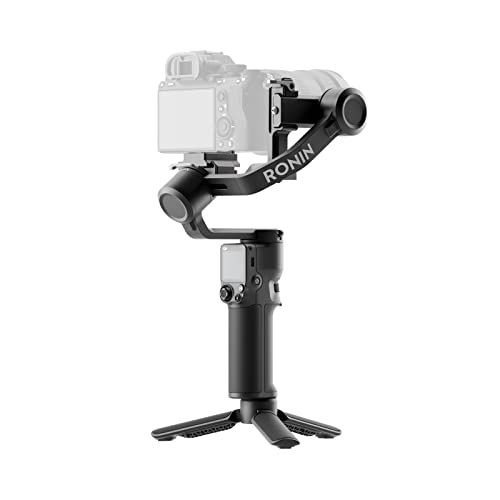
If you’re a video creator looking for a lightweight and portable stabilizer, the DJI RS 3 Mini 3-Axis Gimbal is an excellent choice. Weighing just 795g, it’s super easy to carry around, making it perfect for travel. It supports cameras up to 2 kg, giving you versatility with brands like Canon and Sony. The 3rd-Gen RS Stabilization Algorithm guarantees your shots are smooth, whether you’re shooting horizontally or vertically, thanks to the quick-release plate. Plus, Bluetooth shutter control makes capturing moments effortless. With positive user feedback and a compact design, this gimbal could elevate your video creation game considerably.
Best For: Video creators seeking a lightweight and portable stabilizer for smooth shooting with various camera brands.
Pros:
- Ultra-compact design makes it ideal for travel and extended shooting sessions.
- Excellent stabilization thanks to the 3rd-Gen RS Stabilization Algorithm, ensuring smooth footage.
- Bluetooth shutter control allows for effortless photo and video capture without manual adjustments.
Cons:
- Limited payload capacity (up to 2 kg), which may not support heavier camera setups or accessories.
- Some users report challenges with balancing heavier configurations, requiring careful weight management.
- May not be suitable for full-frame cameras or extensive accessories compared to the RS 3 model.
3-Shoe Camera Stabilizer Expansion Cage Mount for Vlogging
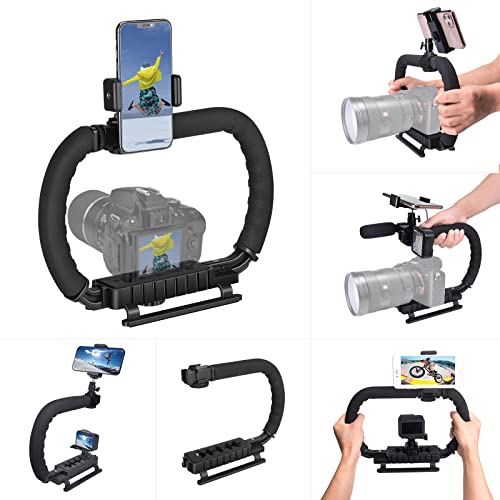
For vloggers seeking to elevate their video quality, the 3-Shoe Camera Stabilizer Expansion Cage Mount stands out as an essential tool. This versatile rig is compatible with a wide range of devices, including GoPro, DSLR, and mirrorless cameras. Crafted from lightweight yet durable ABS material, its ergonomic design features a detachable handle that helps reduce strain during long shoots. The detachable ball head phone clip enhances recording efficiency, while the 3-shoe extension kit lets you easily attach microphones and fill lights. Perfect for enthusiasts and professionals alike, this mount considerably boosts your filming stability and overall production quality.
Best For: Photography enthusiasts, professional photographers, and filmmakers seeking enhanced video quality and stability in their shooting experiences.
Pros:
- Lightweight and durable ABS material makes it easy to carry without sacrificing sturdiness.
- Ergonomic design with a detachable handle reduces lumbar strain during extended shooting sessions.
- Versatile compatibility with a wide range of cameras and devices, including GoPro, DSLR, and mirrorless models.
Cons:
- Limited to specific camera models; may not suit all brands or older models.
- Additional accessories like microphones and lights are not included and must be purchased separately.
- Learning curve for beginners to effectively use all features, such as the detachable ball head phone clip.
Zeadio Handheld Stabilizer with Smartphone Video Cage Rig

The Zeadio Handheld Stabilizer with Smartphone Video Cage Rig is a game-changer for video creators seeking versatility and stability. This rig’s triple cold-shoe handle grip allows you to shoot at various angles, ensuring high-quality videos. It’s compatible with all cameras, action cameras, DSLRs, and smartphones, fitting seamlessly with a 1/4-20 thread interface. The removable wireless shutter enhances your shooting experience, while its design offers stability during extreme sports like skateboarding or skiing. Plus, with the triple shoe mount, you can attach video lights, flashes, or microphones simultaneously, making it ideal for low-angle filming. Get ready for smooth shots every time!
Best For: Video creators looking for a versatile and stable rig for shooting high-quality footage with various camera types.
Pros:
- Multifunctional design allows for versatile recording angles and high-quality videos.
- Compatible with all cameras and smartphones, making it a versatile option for different users.
- Triple shoe mount enables simultaneous attachment of multiple accessories like lights and microphones for enhanced filming capabilities.
Cons:
- Bulkiness may be an issue for users seeking a lightweight option for portability.
- Learning curve for beginners in achieving optimal stabilization and shooting techniques.
- Limited adjustment options for specific camera models may restrict usability for some users.
DJI Osmo Mobile SE 3-Axis Phone Gimbal

Content creators seeking to elevate their video quality will find the DJI Osmo Mobile SE 3-Axis Phone Gimbal an ideal companion. Weighing just 12.4 ounces, it’s portable and perfect for travel. Its 3-axis stabilization guarantees smooth footage, while ActiveTrack 6.0 provides precise subject tracking for vlogs. You’ll appreciate the magnetic phone clamp for quick setup and the ability to switch between landscape and portrait modes effortlessly. The DJI Mimo app enhances your experience with remote control features and creative editing tools. With a robust battery life, this gimbal is a fantastic choice for anyone wanting to improve their mobile filmmaking.
Best For: Content creators and vloggers looking for an affordable and portable solution to enhance their video quality and stabilization.
Pros:
- Excellent 3-axis stabilization for smooth footage during movement.
- Portable and foldable design makes it easy to carry for travel and outdoor filming.
- Effective ActiveTrack 6.0 technology for precise subject tracking.
Cons:
- DJI Mimo app can be slow to connect, leading to potential delays.
- Initial learning curve for new users may require some practice.
- Compatibility issues may arise with larger phone cases, such as Otterbox.
NEEWER Camera Video Cage Kit (Compatible with DSLR and Camcorder)

Designed with versatility in mind, the NEEWER Camera Video Cage Kit is perfect for photography enthusiasts and filmmakers using DSLRs or camcorders. Weighing just 10 ounces, it’s compatible with major brands like Canon, Nikon, and Sony. Enjoy stable shooting with ergonomic dual handgrips and a silicone top handle for low-angle shots. The integrated dual-rod base supports various accessories, thanks to multiple threaded holes. Constructed from durable aircraft-grade aluminum, it guarantees strength without the bulk. Users appreciate its easy assembly and professional look, making it a reliable choice for achieving smoother video without breaking the bank.
Best For: Photography enthusiasts and filmmakers looking for an affordable solution to stabilize their DSLR or camcorder shots.
Pros:
- Ergonomic dual handgrips and silicone top handle provide stability for various shooting angles.
- Constructed from lightweight yet durable aircraft-grade aluminum for easy handling without sacrificing strength.
- Multiple threaded holes allow for versatile accessory mounting, enhancing overall functionality.
Cons:
- Some users report issues with tightening knobs for sliding rods, affecting performance.
- While it reduces shakiness, it is not a full stabilizer and may not eliminate all movement.
- Limited to users who own compatible DSLR or camcorder brands, which may exclude some potential customers.
FLYCAM 5000 Handheld Video Camera Stabilizer (FLCM-CMFT-KIT)

For professional videographers seeking high-quality stabilization, the FLYCAM 5000 Handheld Video Camera Stabilizer (FLCM-CMFT-KIT) stands out with its impressive payload capacity of up to 5kg (11lb). Constructed from high-grade CNC aluminum, it guarantees durability while maintaining a lightweight design. The comfort vest distributes weight, preventing fatigue during long shoots, though it may lead to overheating. Users report jerk-free stability even on rough terrain, enhancing your filming experience. Initial balancing can be tricky, so you might need some external guidance. Overall, it’s a solid investment for serious creators looking to elevate their video production quality.
Best For: Professional videographers and serious creators looking for high-quality stabilization for their video production.
Pros:
- Constructed from durable high-grade CNC aluminum, ensuring longevity and lightweight handling.
- Provides jerk-free stability for smooth filming, even on rough terrain.
- Comfort vest design helps distribute weight, reducing fatigue during extended shoots.
Cons:
- Initial balancing can be challenging, requiring external guidance for best results.
- The vest may lead to overheating during long filming sessions.
- Some users have noted the presence of plastic components as a drawback.
AFUNTA Pro Handheld Video Camera Stabilizer (Compatible with GoPro, Canon, Nikon, Sony)

If you’re a video creator looking for an affordable yet effective stabilization solution, the AFUNTA Pro Handheld Video Camera Stabilizer is an excellent choice. Compatible with GoPro, Canon, Nikon, and Sony cameras, it supports setups up to 2.1 lbs. Weighing just 0.704 ounces, it’s lightweight and easy to handle. The gimbal mechanism guarantees smooth motion, though some shake may occur during use. Balancing can take time, so practicing with tutorials is recommended. While it may not match higher-end models in performance, many users find it satisfactory for everyday shooting, especially for those on a budget seeking stable shots.
Best For: Video creators on a budget looking for a lightweight and versatile stabilizer for their GoPro, Canon, Nikon, or Sony cameras.
Pros:
- Affordable: Provides an effective stabilization solution without breaking the bank.
- Lightweight Design: Weighs only 0.704 ounces, making it easy to handle for extended periods.
- Universal Compatibility: Fits a variety of cameras and smartphones, allowing for versatile use.
Cons:
- Build Quality Issues: Some users report concerns about durability, including handle breakage.
- Balancing Takes Time: Requires practice and time to set up properly, which may be challenging for beginners.
- Limited Weight Capacity: Best suited for lighter setups, as balancing heavier DSLRs and longer lenses can be difficult.
DJI RS 4 Gimbal Stabilizer for DSLR and Mirrorless Cameras

The DJI RS 4 Gimbal Stabilizer stands out as an ideal choice for video creators seeking to elevate their craft, thanks to its impressive payload capacity of 3kg (6.6lbs) that accommodates a wide range of DSLR and mirrorless cameras. With its 2nd-Gen Native Vertical Shooting feature, you can switch from horizontal to vertical effortlessly. The joystick control allows for customizable shooting modes, ensuring you capture smooth shots every time. Its lightweight design and Teflon-coated axis arms enhance balancing, while the included battery grip extends your runtime considerably. Despite some minor issues, users praise its build quality and performance.
Best For: The DJI RS 4 Gimbal Stabilizer is best for video creators and filmmakers looking for a reliable and versatile stabilizing solution for their DSLR and mirrorless cameras.
Pros:
- Exceptional payload capacity of 3kg (6.6lbs), accommodating a variety of camera types.
- Effortless transition between horizontal and vertical shooting with 2nd-Gen Native Vertical Shooting feature.
- Lightweight design and Teflon-coated axis arms enhance balancing and maneuverability.
Cons:
- Some users report issues with motors entering sleep mode, impacting performance.
- The requirement of the DJI Ronin App for activation may limit accessibility due to current compatibility issues.
- Concerns over reliability have been expressed by a portion of the user base.
Zeadio Camera Smartphone Stabilizer, Handheld Video Rig for All Cameras and Smartphones

With its versatile compatibility, the Zeadio Camera Smartphone Stabilizer is perfect for video creators looking to enhance their handheld shooting experience. Weighing just 1.14 pounds, this rig supports all cameras, camcorders, and smartphones, making it an excellent choice for various setups. You can easily switch between single-hand and both-hand modes to reduce shake, while the low-angle shooting feature offers creative flexibility. Plus, the built-in mounting options allow for attachments like microphones and lights. While it’s praised for stability and value, be cautious with heavier equipment due to potential fragility. Overall, it’s a solid option for budget-conscious creators.
Best For: Budget-conscious video creators seeking a versatile handheld stabilizer for their cameras and smartphones.
Pros:
- Easy to switch between single-hand and both-hand modes for reduced camera shake.
- Built-in mounting options for microphones and lights enhance shooting versatility.
- Lightweight design makes it portable and easy to handle.
Cons:
- Concerns about material quality and potential durability issues.
- May struggle with heavier camera setups due to fragility.
- Some users reported limitations in weight capacity.
GENS Handheld Camera Stabilizer Grip for DSLR and Video Cameras
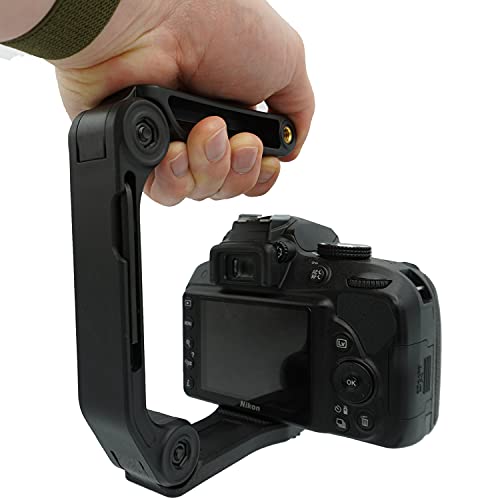
For video creators seeking stability and precision in their shots, the GENS Handheld Camera Stabilizer Grip stands out as an essential tool. Weighing just 5.2 oz, it supports up to 10 lbs of camera gear, making it versatile for DSLR, mirrorless, and video cameras. Its adjustable U-shaped design stabilizes your shots, especially during low-angle action sequences. The textured pad enhances grip, preventing shake for professional results. Compatible with multiple brands like Sony and Canon, it also features extra threaded inserts for accessories. Plus, its foldable design guarantees easy storage, backed by a 10-year warranty for peace of mind.
Best For: Video creators and filmmakers looking for stability and precision in their shots.
Pros:
- Lightweight: At just 5.2 oz, it’s easy to carry for extended shooting sessions.
- Versatile Compatibility: Works with a wide range of cameras, including DSLR, mirrorless, and smartphones with the right adapters.
- Adjustable Design: The U-shaped handle offers customizable camera positioning and stabilization for various shooting angles.
Cons:
- Weight Limit: While it supports up to 10 lbs, heavier camera setups may require additional stabilization equipment.
- Adapters Sold Separately: Compatibility with smartphones and action cameras requires purchasing additional adapters.
- Limited Built-in Accessories: While it has extra threaded inserts, it doesn’t come with any additional accessories like lights or microphones.
Factors to Consider When Choosing a Camera Stabilizer for Video
When choosing a camera stabilizer, you need to think about several key factors. Consider the weight and portability, as well as how much gear it can support. It’s also vital to guarantee compatibility with your equipment and evaluate the stabilization technology features and ease of setup.
Weight and Portability
Choosing a camera stabilizer involves weighing its weight and portability, as these factors can considerably impact your shooting experience. Lighter models are generally more portable, making them easier to carry during extended shoots. For example, the DJI RS 3 Mini weighs just 795g in portrait mode, perfect for on-the-go filmmakers. Portable stabilizers like the DJI Osmo Mobile SE feature compact designs that simplify transport, essential for spontaneous moments or outdoor filming. A lightweight stabilizer can greatly reduce fatigue, allowing for more comfortable handling and longer shooting sessions. However, remember the balance between weight and payload capacity; your stabilizer should be light enough for easy transport while still robust enough to support your camera without compromising stability.
Payload Capacity Considerations
Payload capacity is a critical factor that can make or break your video shoots. It indicates the maximum weight your stabilizer can support, guaranteeing stability for heavier camera setups or additional accessories. When choosing a stabilizer, select one with a payload capacity that exceeds the combined weight of your camera and any mounted gear, like lenses, microphones, or lights. Most stabilizers offer capacities from 2 kg (4.4 lbs) to 5 kg (11 lbs), with higher options suited for professional equipment. Exceeding the recommended capacity can compromise stabilization performance and even damage your gear. Always consider the total weight, including battery packs and attachments, to verify your chosen stabilizer can handle the load effectively.
Compatibility With Equipment
Ascertaining your camera stabilizer is compatible with your equipment is essential for ideal performance. Start by checking if the stabilizer supports your camera type, whether it’s a DSLR, mirrorless, or action camera. You’ll also want to verify the payload capacity; many stabilizers can handle up to 2 kg (4.4 lbs) or more, so make sure it can accommodate your camera and any accessories. Look for adjustable mounting options like 1/4-20 threaded inserts for versatility with different devices. Additionally, review the stabilizer’s design to ascertain it fits your specific gear dimensions and shooting style. Finally, confirm that accessories, such as cold-shoe mounts for microphones or lights, are compatible to enhance your filming capabilities.
Stabilization Technology Features
When you’re on the hunt for a camera stabilizer, considering the stabilization technology features is essential for achieving professional-quality footage. Look for systems like 3-axis gimbals, which compensate for pitch, yaw, and roll, guaranteeing smoother shots. Advanced algorithms, such as the 3rd-Gen RS Stabilization Algorithm, continuously adjust to camera movements and vibrations, enhancing stability during shoots. Bluetooth Shutter Control can streamline your workflow by automatically reconnecting to your camera, making capturing moments effortless. Additionally, vertical shooting capabilities allow for quick shifts between landscape and portrait orientations, perfect for social media. Finally, check the weight capacity, typically between 2 kg and 5 kg, to confirm your stabilizer can support your camera and accessories without sacrificing stabilization quality.
Ease of Setup
After considering the stabilization technology features, you’ll want to focus on how easy it is to set up your camera stabilizer. Look for models with quick-release features that let you shift between shooting modes effortlessly. Clear assembly instructions or online instructional videos can make the setup process smoother, saving you valuable time. Choose stabilizers designed for easy balancing, especially if you’re using heavier camera rigs; this will streamline your initial setup. Intuitive controls and user-friendly interfaces are essential for making quick adjustments without needing extensive technical knowledge. Finally, evaluate the stabilizer’s weight and portability—lighter, more compact designs typically offer easier setup and transportation, allowing you to focus on capturing those smooth shots.
Build Quality and Durability
Build quality and durability are essential factors to contemplate when choosing a camera stabilizer for video. Look for materials like aircraft-grade aluminum or high-grade CNC aluminum, as they enhance durability and resist wear during shoots. An ergonomic design with foam-padded grips and adjustable handles is vital for comfort during long filming sessions. Pay attention to weight management; a stabilizer should evenly distribute weight to prevent fatigue. Additionally, features like Teflon-coated axis arms reduce friction, enabling smoother operation. Finally, consider a foldable design, which enhances portability and storage convenience, keeping your stabilizer protected and easy to transport for on-the-go shooting. A robust and user-friendly stabilizer will elevate your filming experience.
Accessory Mounting Options
A sturdy camera stabilizer not only guarantees smooth footage but also enhances your filming capabilities through effective accessory mounting options. Look for stabilizers with multiple shoe mounts, allowing you to attach external devices like microphones and lights simultaneously. This flexibility improves your video quality and versatility. Integrated threaded holes (1/4” and 3/8”) are essential for mounting additional equipment, accommodating various shooting setups. Consider models with detachable handles or grips for easier access to accessory connections while shooting. Ascertain compatibility with a wide range of camera types and brands, so you can use your existing gear without extra adapters. Finally, prioritize designs with quick-release features to streamline your workflow during filming sessions.