
The best telephoto camera lenses bring distant subjects closer, whether you photograph wildlife, field sports, travel scenes, or family events. The right choice depends on your camera mount, reach, autofocus needs, and available light.
Our selection spans compact mirrorless zooms, long-reach Canon RF options, Sony APS-C glass, affordable DSLR lenses, and a phone-compatible tele-macro attachment. Use the guide below to match features and limitations to your shooting style.
Best 10 Telephoto Camera Lenses Picks for 2026
Compact RF Reach
Canon RF100-400mm F5.6-8 IS USM

- 100-400mm zoom range
- Up to 5.5 stops of optical stabilization
- Compact design with Nano USM autofocus
Best For: Canon EOS R users seeking portable wildlife and outdoor reach
Lightweight Sony Zoom
Tamron 70-300mm F/4.5-6.3 Di III RXD

- 70-300mm telephoto range
- Lightweight, portable design
- Moisture-resistant construction
Best For: Sony E-mount users who value portability and close-up flexibility
Maximum RF Reach
Canon RF200-800mm F6.3-9 IS USM

- 200-800mm super-telephoto zoom
- Optical image stabilization
- Compatible with RF1.4x and RF2x extenders
Best For: Canon RF wildlife and sports photographers needing extreme reach
APS-C G-Series Reach
Sony E 70-350mm F4.5-6.3 G OSS
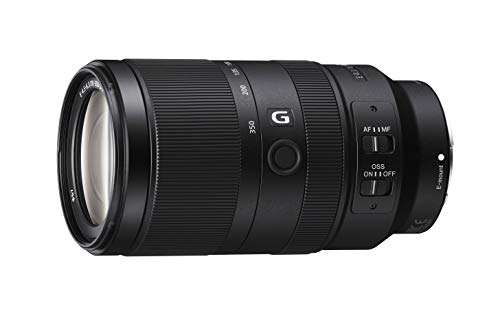
- 105-525mm full-frame equivalent range
- Lightweight 22-ounce design
- Optical SteadyShot and XD linear motor AF
Best For: Sony APS-C users wanting portable, stabilized super-telephoto reach
Best Phone Lens

- 10X telephoto and macro modes
- Lightweight universal clip-on design
- Multilayer-coated 12-element optics
Best For: Concerts, travel, and smartphone close-ups
Best Canon RF Zoom

- 75-300mm telephoto zoom range
- Servo AF and pupil detection
- Portable 1.1-pound construction
Best For: Canon RF sports and wildlife photography
Best Complete DSLR Bundle
Canon EOS Rebel T7 Super Telephoto Kit

- 24.1MP APS-C DSLR camera
- Includes 420-800mm manual telephoto lens
- Comes with extensive accessories and storage
Best For: Budget-conscious beginners building a full photography kit
Classic Reach

- 75-300mm 4:1 telephoto zoom
- Autofocus for Canon EF DSLRs
- No image stabilization
Best For: Canon EF DSLR users seeking an affordable telephoto zoom
Renewed Value

- 75-300mm telephoto zoom range
- DC autofocus motor
- 90-day limited warranty
Best For: Canon SLR users prioritizing value and basic telephoto reach
Proven Simplicity

- 4x 75-300mm telephoto zoom
- Canon EF-mount autofocus
- One-year limited warranty
Best For: Canon DSLR owners wanting simple, supported telephoto reach
Compact RF Reach – Canon RF100-400mm F5.6-8 IS USM
For photographers comparing telephoto camera lenses for Canon EOS R mirrorless cameras, the Canon RF100-400mm offers a practical balance of reach, portability, and stabilization. Its 100-400mm zoom range suits wildlife, outdoor sports, and distant subjects without the bulk of a larger super-telephoto lens.
Best For: Canon EOS R users who want a compact, stabilized telephoto zoom for travel, wildlife, and outdoor action.
Pros:
- Versatile 100-400mm zoom range in a compact, lightweight design.
- Optical stabilization provides up to 5.5 stops of shake correction, or up to 6 stops with compatible EOS R cameras featuring IBIS.
- Nano USM autofocus is designed for fast, smooth, and quiet focusing.
- Close-focusing capability reaches 0.41x maximum magnification at 400mm.
Cons:
- Its F5.6-8 aperture is relatively slow, particularly at the long end.
- Compatible only with Canon RF-mount mirrorless cameras.
- It is not listed as water resistant.
This is a strong everyday telephoto option when manageable size and image stabilization matter more than a bright aperture. It is especially appealing for Canon RF shooters who need flexible reach without stepping up to a much heavier lens.
Lightweight Sony Zoom – Tamron 70-300mm F/4.5-6.3 Di III RXD
The Tamron 70-300mm is one of the more portability-focused telephoto camera lenses for Sony E-mount mirrorless systems. It provides a useful range for portraits, travel, and outdoor subjects while keeping the design lightweight and adding moisture-resistant construction.
Best For: Sony full-frame or APS-C mirrorless users who prioritize portability and flexible telephoto reach.
Pros:
- 70-300mm range covers portraits, travel, and distant outdoor subjects.
- Lightweight design makes telephoto shooting easier to carry.
- Supports close-up shooting with a listed 1:5.1 magnification at the telephoto end.
- Moisture-resistant construction adds practical protection for outdoor use.
Cons:
- It does not include image stabilization.
- The F4.5-6.3 maximum aperture is not especially bright.
- Designed for Sony E-mount cameras only.
Choose this lens when low weight and a broad, useful zoom range are higher priorities than built-in stabilization or a fast aperture. Its close-focusing performance also gives it added flexibility for detail-oriented subjects.
Maximum RF Reach – Canon RF200-800mm F6.3-9 IS USM
For photographers who need serious distance, the Canon RF200-800mm is a super-telephoto zoom built around reach. Among these telephoto camera lenses, its 800mm endpoint is particularly suited to wildlife, nature, and outdoor sports, while the four-times zoom range helps frame subjects without changing lenses.
Best For: Canon RF users photographing wildlife, nature, and outdoor sports from a distance.
Pros:
- Powerful 200-800mm zoom range reaches distant subjects.
- Compatible with Canon RF1.4x and RF2x extenders at all focal lengths.
- Optical design is optimized for high image quality across the zoom range.
- Designed as a comparatively compact and lightweight option for an 800mm lens.
Cons:
- At 4.5 pounds, it is substantially heavier than compact telephoto zooms.
- The F6.3-9 aperture is relatively slow, especially at 800mm.
- It is not listed as water resistant.
This lens makes the most sense when maximum focal-length flexibility is the priority. It offers exceptional reach for the Canon RF system, but buyers should plan for its greater weight and slower aperture compared with shorter telephoto zooms.
APS-C G-Series Reach – Sony E 70-350mm F4.5-6.3 G OSS
The Sony E 70-350mm G lens is a compact choice among telephoto camera lenses for Sony APS-C cameras. Its 5x zoom provides a full-frame-equivalent range of 105-525mm, while Optical SteadyShot stabilization and a quiet XD linear motor support handheld shooting and subject tracking.
Best For: Sony APS-C photographers who want lightweight super-telephoto reach for wildlife, travel, and outdoor action.
Pros:
- 5x 70-350mm zoom delivers a 105-525mm full-frame equivalent range on APS-C.
- Lightweight 22-ounce design is easy to handle.
- Optical SteadyShot image stabilization supports handheld shooting.
- XD linear motor provides fast, precise, and quiet autofocus and tracking.
Cons:
- Compatible with Sony APS-C E-mount cameras rather than full-frame systems.
- The F4.5-6.3 aperture is relatively slow.
- Its reach and design are optimized specifically for the APS-C format.
This is a particularly convenient option for Sony APS-C owners who want substantial reach without carrying a large lens. Its stabilization, low weight, and autofocus design make it well suited to mobile outdoor photography.
Best Phone Lens – APEXEL 10X Tele-Macro Pro
The APEXEL 10X Tele-Macro Pro is a compact option for shoppers comparing telephoto camera lenses for smartphones. Its dual-lens design combines 10X telephoto reach with a macro mode, while the universal clip-on setup works with many iPhone, Android, and Samsung Galaxy models.
Best For: Concerts, travel, outdoor exploration, and close-up phone photography.
Pros:
- Combines 10X telephoto and macro photography in one lens.
- 12-element optical design with multilayer coating helps reduce glare and distortion.
- Lightweight 5.12-ounce design clips onto compatible smartphones without tools.
Cons:
- Manual focus may require extra setup for fast-moving subjects.
- No image stabilization is included.
- Compatibility depends on proper alignment with the phone camera.
This is a convenient choice when portability matters more than interchangeable-camera performance. Its two-in-one design gives phone photographers more flexibility without adding much bulk.
Best Canon RF Zoom – Canon RF75-300mm F4-5.6
Canon RF75-300mm F4-5.6, Telephoto Zoom Lens, Compatible with EOS R Series Mirrorless Cameras, Black
Check Price On AmazonThe Canon RF75-300mm F4-5.6 is an approachable telephoto zoom lens for Canon RF mirrorless cameras. Its broad focal-length range helps frame distant sports and wildlife subjects, while longer focal lengths create background compression and blur.
Best For: Canon RF users photographing sports, wildlife, and distant subjects.
Pros:
- 75-300mm range provides useful reach for subjects that are difficult to approach.
- Servo AF and pupil detection support focusing at the telephoto end.
- Portable 1.1-pound design is relatively light for this zoom range.
Cons:
- No image stabilization is included.
- Maximum aperture narrows to f/5.6 at the long end.
- It is compatible with Canon RF mirrorless cameras rather than a broad range of mounts.
For Canon RF owners who want substantial reach without moving to a heavier professional zoom, this lens offers a practical balance of range and portability. A tripod or other support may be useful in lower light because stabilization is not built in.
Best Complete DSLR Bundle – Canon EOS Rebel T7 Super Telephoto Kit
This renewed Canon EOS Rebel T7 bundle is aimed at buyers who want a complete starter setup built around telephoto camera lenses. Alongside the T7 DSLR and 18-55mm kit lens, it includes a manual 420-800mm super-telephoto lens, accessories, storage, power extras, and a sling backpack.
Best For: Beginners and value-focused photographers who need a camera, long lens, and accessories in one package.
Pros:
- Includes a 24.1MP APS-C DSLR with optical stabilization on the standard zoom lens.
- 420-800mm manual telephoto lens offers substantial reach for distant subjects.
- Large 42-piece package includes memory cards, filters, tripod, bag, chargers, battery, and remote.
- Built-in Wi-Fi, Full HD video, and optical viewfinder add practical versatility.
Cons:
- The 420-800mm lens uses manual focus and has a fixed f/8.3 aperture.
- The T7 shoots at up to 3 frames per second, limiting action capture.
- As a renewed bundle, included accessories and seller warranty should be reviewed carefully.
This package offers impressive reach and extensive extras for the price, but the super-telephoto lens is best suited to patient subjects and good lighting. Its manual operation makes it less convenient for fast-moving wildlife or sports.
Classic Reach – Canon EF 75-300mm III
The Canon EF 75-300mm f/4-5.6 III is a straightforward telephoto camera lens for Canon EF-mount DSLR users who want flexible framing from a 4:1 zoom range. Its autofocus motor, Super Spectra coating, and 4.9-foot minimum focus distance make it suitable for everyday distant-subject photography.
Best For: Canon EF DSLR owners seeking an affordable, general-purpose telephoto zoom.
Pros:
- Versatile 75-300mm focal-length range
- Autofocus with a Canon EF mount
- Super Spectra coating and 58mm filter compatibility
- Relatively light 1.1-pound design
Cons:
- No image stabilization
- Maximum aperture narrows from f/4 to f/5.6 across the zoom range
- Closest focusing distance is 4.9 feet
This lens offers useful reach without a complicated feature set. Because it lacks stabilization and has a modest maximum aperture, it is best suited to well-lit shooting and users comfortable managing camera stability themselves.
Renewed Value – Canon EF 75-300mm III Renewed
Canon EF 75-300mm f/4-5.6 III Telephoto Zoom Lens for Canon SLR Cameras, 6473A003 (Renewed)
Check Price On AmazonThis renewed Canon EF 75-300mm f/4-5.6 III is a value-focused option among telephoto camera lenses for Canon SLR cameras. It combines a 75-300mm zoom range with a DC autofocus motor, smoother zooming, and a 4.9-foot minimum focus distance.
Best For: Canon SLR users who want a renewed telephoto zoom with a limited-cost entry point.
Pros:
- Flexible 75-300mm focal-length range
- DC autofocus motor and Canon EF mount
- Smoother zooming mechanism
- Compact 16.8-ounce listed weight and 58mm filter thread
Cons:
- Only a 90-day limited warranty
- No image stabilization is listed in the product bullets
- f/4-5.6 aperture range limits low-light flexibility
The renewed configuration makes this lens appealing when price and basic reach matter most. Review the shorter warranty carefully, and consider whether the absence of stabilization fits your shooting conditions.
Proven Simplicity – Canon EF 75-300mm III
The Canon EF 75-300mm f/4-5.6 III provides a practical 4x zoom for Canon EF-mount SLR cameras. As telephoto camera lenses go, it keeps the feature set simple while offering autofocus, a smoother zoom mechanism, and a 4.9-foot closest focusing distance.
Best For: Canon EF-mount DSLR owners wanting a basic telephoto zoom with a one-year limited warranty.
Pros:
- 75-300mm range for flexible telephoto framing
- Autofocus compatibility with Canon EF-mount DSLRs
- Smoother zooming mechanism and silver zoom-ring accent
- Includes front and rear lens caps and a one-year limited warranty
Cons:
- No image stabilization
- f/4-5.6 maximum aperture range
- 4.9-foot minimum focusing distance may limit close subjects
This model is a sensible choice for users who want uncomplicated Canon-compatible reach. Its lack of stabilization and moderate aperture make it a better fit for brighter conditions or supported shooting than for demanding low-light work.
How We Picked These Telephoto Camera Lenses
We focused on practical options across the mounts and use cases represented in this roundup. Selection criteria included focal-length range, camera compatibility, autofocus or focusing design, optical stabilization, portability, maximum aperture, and overall value. We also considered whether a lens suits a beginner, enthusiast, or specialized user.
Compatibility comes first: RF lenses fit Canon EOS R-series mirrorless cameras, EF and EF-S lenses are intended for compatible Canon DSLR bodies, Sony E-mount lenses fit Sony mirrorless cameras, and a phone attachment requires a suitable smartphone setup. Always confirm the exact mount before buying.
Quick Comparison
| Best For | Look For | Trade-Off |
|---|---|---|
| Wildlife and distant action | 400mm to 800mm reach, stabilization | More size, weight, and cost |
| Travel and everyday telephoto work | 70-300mm or 100-400mm zoom | Less reach at the long end |
| Sony APS-C users | Native E-mount design and OSS | Limited full-frame usefulness for some models |
| Canon DSLR beginners | Affordable EF or EF-S compatibility | Older designs may lack stabilization |
| Phone photography | Clamp fit and multi-lens alignment | Lower image quality than a dedicated camera lens |
Key Buying Factors for Telephoto Camera Lenses
Mount and Sensor Format
Do not judge a lens by focal length alone. Check the mount and whether the lens covers full-frame or APS-C sensors. On an APS-C camera, the field of view appears narrower, increasing effective framing but not changing the lens’s true focal length.
Reach and Maximum Aperture
Longer focal lengths make distant subjects larger in the frame, but they can be harder to hold steady. A wider maximum aperture helps in dim light and can separate subjects from backgrounds; slower telephoto zooms are often lighter and more affordable, but may require higher ISO settings.
Stabilization and Autofocus
Optical or in-body stabilization is especially useful at 300mm and beyond, although it cannot freeze a moving subject. Fast, accurate autofocus matters for birds, sports, and children. For static subjects, manual focus and a tripod can be perfectly adequate.
Size, Weight, and Handling
A lens that stays in your bag is more useful than one that offers impressive specifications but is uncomfortable to carry. Consider the lens’s packed length, balance on your camera, tripod-collar needs, and whether you will shoot handheld for long periods.
Who Should Buy Which Telephoto Camera Lenses?
Choose a compact 70-300mm option for travel, portraits, and general outdoor photography. A 100-400mm lens is a stronger all-around choice for wildlife and field sports when you want useful reach without moving to the largest super-telephoto designs. If maximum distance is the priority, an 800mm-class Canon RF zoom can frame birds and distant animals more tightly, provided your camera body and light conditions suit it.
Sony APS-C owners should prioritize native E-mount compatibility and stabilization. Canon DSLR owners can find strong value in the EF 75-300mm options, particularly for learning telephoto technique on a budget, while Canon EOS R users should stay with RF-compatible models unless using an appropriate adapter. Finally, choose the APEXEL phone attachment only when convenience and smartphone portability matter more than interchangeable-lens image quality.